
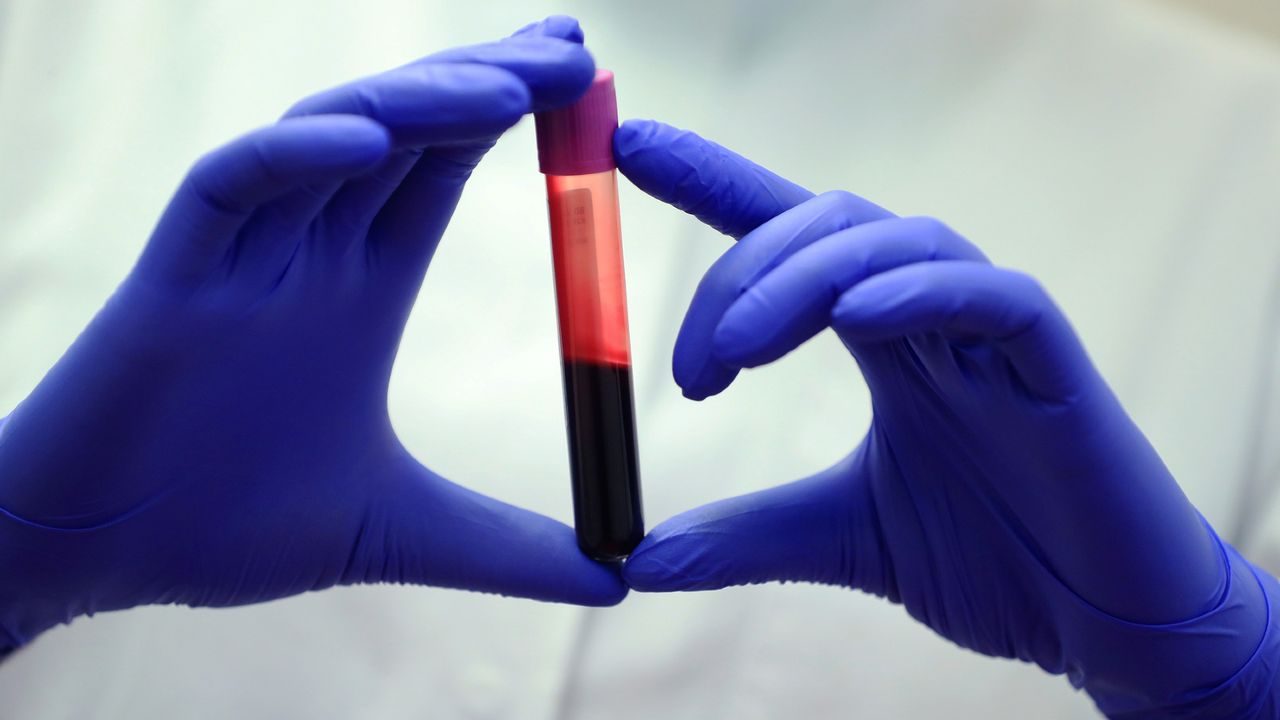
Liver cancer is one of the hardest cancers to catch early — and by the time most people know something is wrong, the disease has often already taken hold. A new blood test is aiming to change that, by detecting the earliest warning signs of liver damage long before cancer has a chance to develop.
The test works by scanning the blood for free-floating fragments of genetic material — specifically, bits of DNA that have been linked to liver scarring, a condition known medically as fibrosis. According to new research, a machine learning model analyzes these circulating DNA fragments to identify early-stage fibrosis, which is considered a key precursor to more serious liver disease and, ultimately, liver cancer.
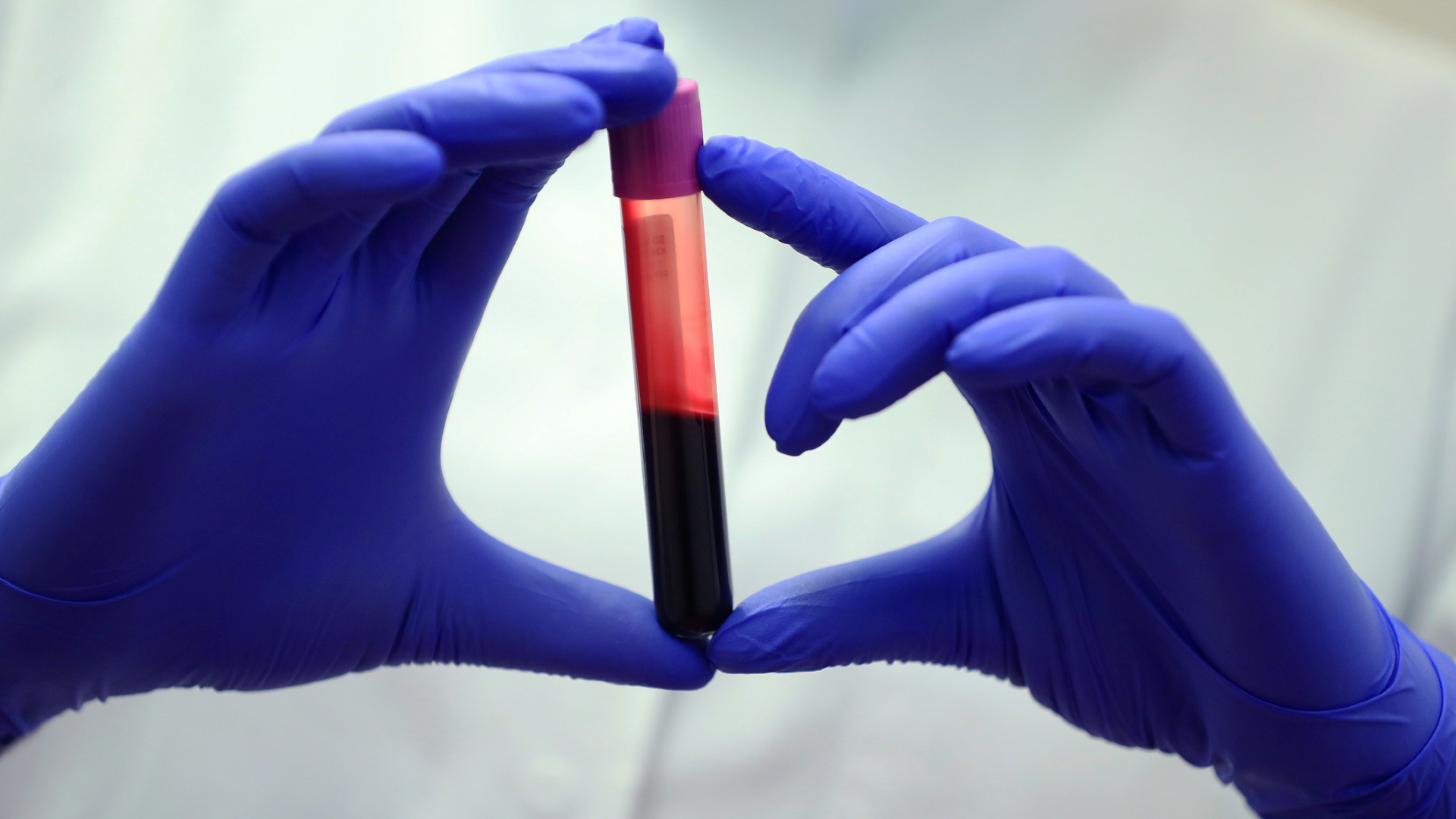
The goal is straightforward but significant: find the damage early enough to actually do something about it.
Why Liver Scarring Is Such a Dangerous Starting Point
Liver fibrosis doesn’t announce itself. There are often no obvious symptoms in the early stages, which is exactly what makes it so dangerous. Over time, unchecked scarring can progress to cirrhosis — severe, permanent liver damage — and from there, the risk of developing liver cancer rises sharply.
The liver is a remarkably resilient organ, capable of regenerating under the right conditions. But repeated injury — from chronic infections like hepatitis B or C, from excessive alcohol use, or from conditions like non-alcoholic fatty liver disease — gradually replaces healthy tissue with scar tissue. Once that process advances far enough, the window for effective intervention narrows considerably.
That’s what makes early detection so valuable. If fibrosis can be identified before it progresses, patients and doctors have real options. Lifestyle changes, medications, and monitoring can all help slow or even reverse early-stage scarring. The problem has always been knowing it’s there in the first place.
How the New Blood Test for Liver Fibrosis Actually Works
The test centers on what scientists call cell-free DNA — tiny fragments of genetic material that circulate in the bloodstream after cells die or shed their contents. These fragments carry biological signatures that can point to what’s happening in specific organs, including the liver.
What makes this approach particularly interesting is the use of a machine learning model to interpret those signals. Rather than looking for a single biomarker, the system analyzes patterns across the free-floating DNA to detect signs consistent with early-stage liver fibrosis. Machine learning is well suited to this kind of task — it can identify subtle, complex patterns in biological data that would be difficult or impossible for traditional methods to flag.
The research team used the test specifically to detect early-stage liver scarring, suggesting the focus is on catching the problem at a point where intervention is still most effective.
What This Approach Offers That Current Methods Don’t
Today, diagnosing liver fibrosis typically requires either imaging scans or, in more definitive cases, a liver biopsy — a procedure that involves inserting a needle into the liver to extract a small sample of tissue. Biopsies are considered the gold standard for assessing liver damage, but they’re also invasive, uncomfortable, and carry a small but real risk of complications.
Non-invasive alternatives like ultrasound elastography exist, but they’re not universally available and can be less reliable in certain patient populations. A simple blood draw that delivers comparable or complementary information would represent a meaningful step forward in how liver disease is monitored and managed.
| Method | How It Works | Key Limitation |
|---|---|---|
| Liver Biopsy | Needle extraction of liver tissue for analysis | Invasive, carries risk of complications |
| Imaging (e.g., Elastography) | Uses sound waves to measure liver stiffness | Not universally available; variable reliability |
| New Cell-Free DNA Blood Test | Machine learning analysis of free-floating DNA in blood | Still in research phase; not yet in clinical use |
The appeal of a blood-based screening tool is also about accessibility. A test that requires only a blood sample could realistically be incorporated into routine checkups, making it far easier to monitor at-risk patients over time without the barriers that come with more complex procedures.
Who Stands to Benefit Most From Early Liver Screening
Millions of people worldwide live with conditions that put their livers at elevated risk — chronic viral hepatitis, obesity-related fatty liver disease, heavy alcohol use, and metabolic disorders among them. Many of these individuals currently have no reliable, low-burden way to monitor whether their liver is developing early scarring.
For this population, a sensitive, non-invasive screening tool could be genuinely life-altering. Earlier detection means earlier conversations with doctors, earlier lifestyle interventions, and — critically — a better chance of preventing the kind of advanced disease that leads to cancer.
Researchers and clinicians have long emphasized that liver cancer outcomes are strongly tied to the stage at which the disease is caught. The five-year survival rate for liver cancer diagnosed at an early, localized stage is substantially higher than for cancer detected after it has spread. Anything that pushes diagnosis earlier in the chain — including catching the precursor conditions that set the stage for cancer — has the potential to save lives.
Where the Research Goes From Here
The test is still in the research phase, meaning it is not yet available as a standard clinical tool. The findings from the new study represent an important proof of concept, but the path from promising research to routine medical use involves further validation, larger-scale trials, and regulatory review.
Researchers will need to demonstrate not just that the test can detect fibrosis, but that it performs reliably across diverse patient populations, in different stages of liver disease, and alongside other conditions that might affect the DNA signals it reads. Questions about sensitivity, specificity, and how the test compares head-to-head with existing methods will all need to be answered before it could be considered for widespread clinical adoption.
Still, the direction of travel is clear. The combination of cell-free DNA analysis and machine learning represents a genuinely new approach to an old problem — and the early results suggest it’s worth watching closely.
Frequently Asked Questions
What does the new liver blood test actually detect?
The test looks for free-floating fragments of DNA in the blood that have been linked to early-stage liver scarring, also known as fibrosis.
How does the test use machine learning?
A machine learning model analyzes the patterns found in the circulating DNA fragments to identify biological signals consistent with early liver fibrosis.
Is liver fibrosis the same as liver cancer?
No — fibrosis is scarring of the liver tissue and is considered a precursor condition. If left unchecked, it can progress to cirrhosis and increase the risk of liver cancer developing over time.
Is this blood test available now?
Not yet. The test is currently in the research phase and has not been approved or adopted for routine clinical use.
Why is early detection of liver fibrosis so important?
Early-stage liver scarring can potentially be slowed or reversed with intervention, but it often causes no obvious symptoms — meaning it frequently goes undetected until it has already progressed to more serious disease.
How is this test different from existing liver tests?
Current standard methods include invasive liver biopsies and imaging scans. This new test requires only a blood draw, which could make monitoring far more accessible and lower-risk for patients.


Leave a Reply