
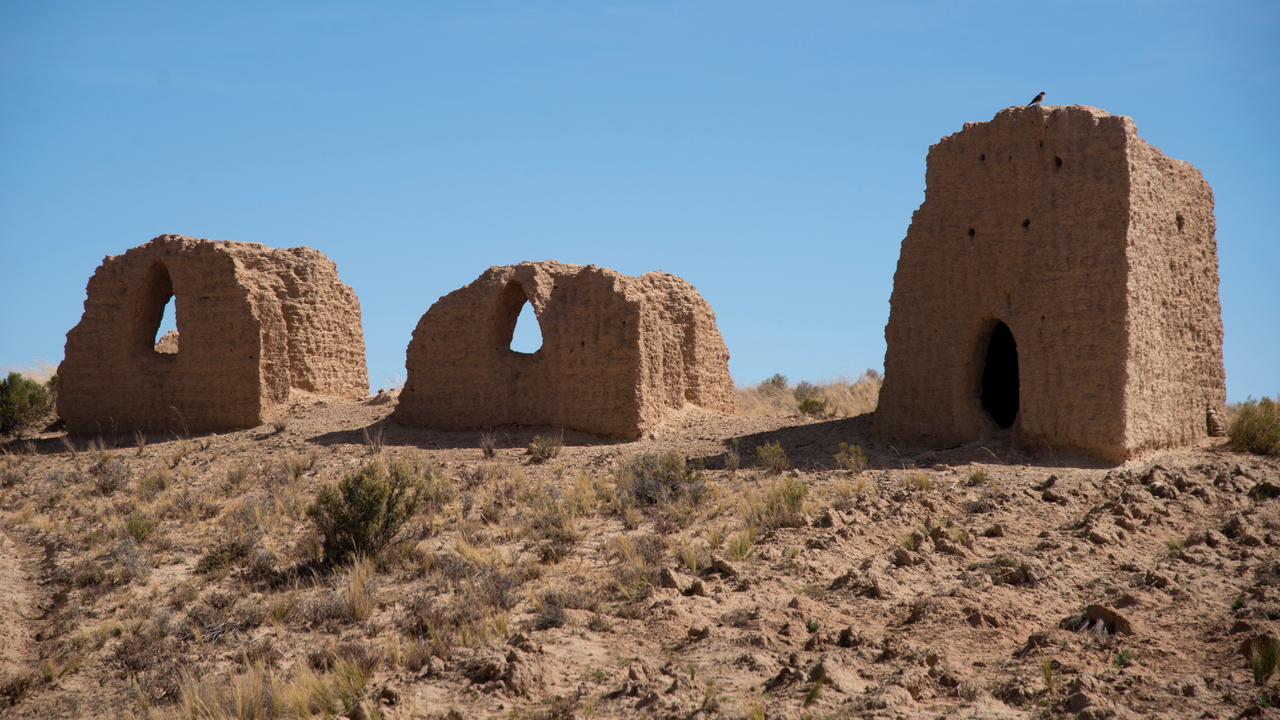
A 700-year-old mummy discovered in Bolivia has just rewritten what scientists thought they knew about one of the world’s most common bacterial infections. Researchers have confirmed the presence of Streptococcus pyogenes — the bacteria responsible for strep throat and scarlet fever — in the ancient remains, making it the earliest confirmed evidence of group A strep ever found in the Americas.
The discovery matters for a simple reason: until now, there was genuine scientific debate about whether strep infections existed in the Western Hemisphere before European explorers arrived. This finding settles part of that question in a striking way.
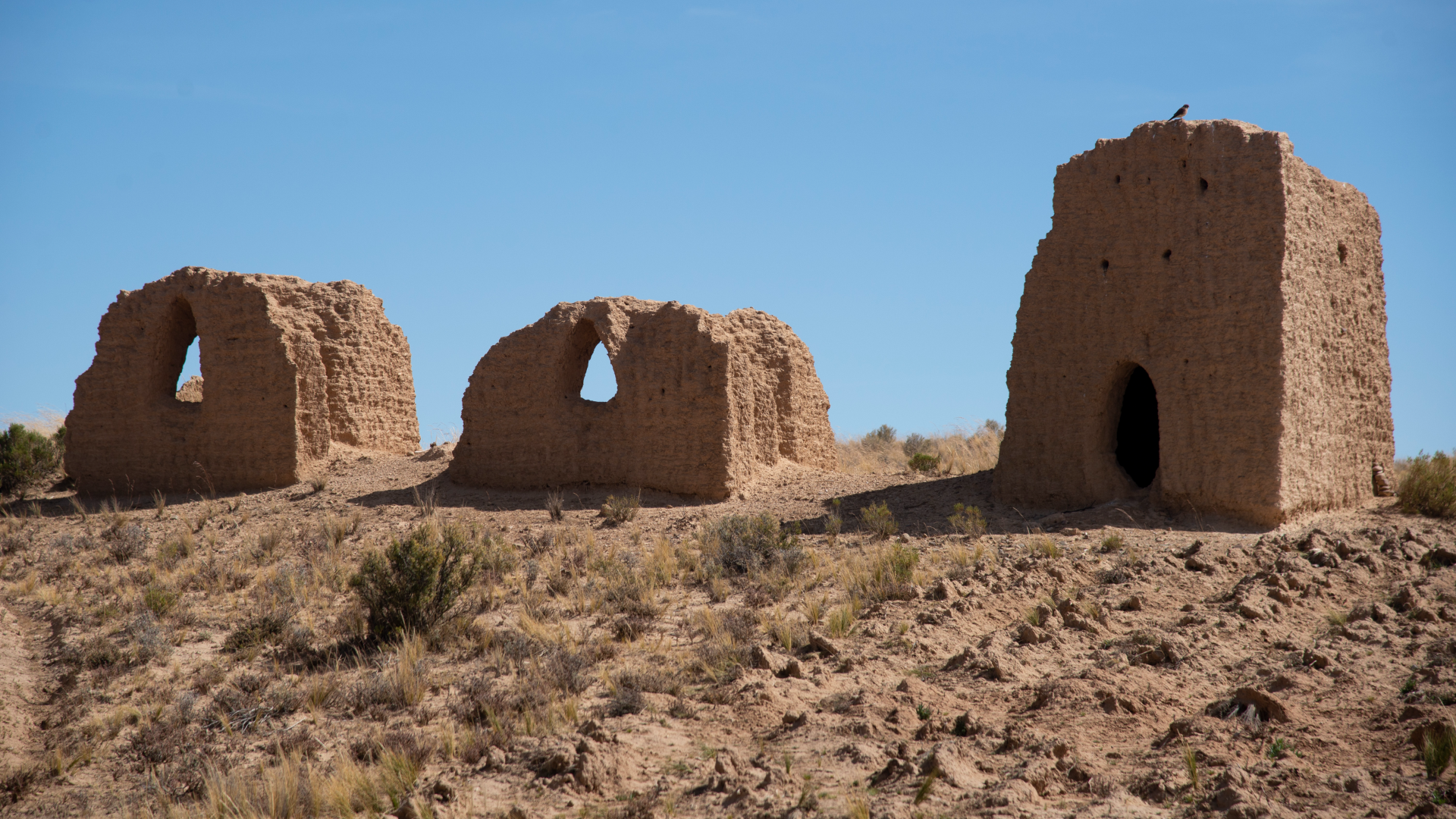
The mummy was found in a tomb called a chullpa on the Bolivian Altiplano — the vast high-altitude plateau that stretches across the Andes. Using ancient-DNA analysis, researchers were able to identify the bacterial strain with enough precision to compare it against modern equivalents.
What Researchers Actually Found Inside the Mummy
The technique that made this discovery possible is ancient-DNA analysis, a field that has transformed archaeology over the past two decades. By extracting and sequencing genetic material from the mummified remains, scientists were able to identify Streptococcus pyogenes, commonly known as group A strep, preserved across seven centuries.
What makes the finding particularly compelling is not just the identification of the bacteria itself — it is the nature of the strain. Researchers found that the strain discovered in the Bolivian mummy is similar to modern strains that still cause strep throat and scarlet fever today. That continuity across 700 years is remarkable and raises serious questions about how long this pathogen has been circulating in human populations.
This is also confirmed to be the first time group A strep has been identified in archaeological remains from the Americas, giving the discovery genuine historical weight beyond just one mummy.
Why This Changes the History of Strep in the Americas
For years, the history of infectious disease in pre-Columbian America has been a contested area of research. Much of the focus has centered on diseases that European colonizers brought to the Americas — smallpox, measles, and others — which devastated Indigenous populations with no prior immunity. The question of which pathogens already existed in the Americas before contact has been harder to answer.
This discovery provides a concrete, DNA-confirmed answer for group A strep. The bacteria was present in South America at least 700 years ago, well before any European arrival. That means strep throat and the infections associated with Streptococcus pyogenes were not introduced by colonizers — they were already part of life on the continent.
The implications ripple outward. If this strain was circulating centuries before European contact, it raises new questions about how pre-Columbian populations experienced and managed strep-related illness, and how the bacteria may have evolved over time across different continents.
Key Facts at a Glance
- The mummy is approximately 700 years old
- It was found in a chullpa — a traditional Andean tomb — on the Bolivian Altiplano
- The bacteria identified is Streptococcus pyogenes, also known as group A strep
- The strain is genetically similar to modern strains that cause strep throat and scarlet fever
- This is the first confirmed identification of group A strep in archaeological remains from the Americas
- The discovery was made using ancient-DNA analysis
| Detail | Finding |
|---|---|
| Age of mummy | Approximately 700 years old |
| Location discovered | Bolivian Altiplano, inside a chullpa tomb |
| Bacteria identified | Streptococcus pyogenes (group A strep) |
| Strain comparison | Similar to modern strains causing strep throat and scarlet fever |
| Historical significance | First confirmed group A strep found in Americas archaeological record |
| Method used | Ancient-DNA analysis |
What This Means for How We Understand Ancient Disease
Findings like this one are becoming more common as ancient-DNA technology improves, but they never quite lose their power to surprise. The idea that a bacterial strain circulating in medieval Bolivia closely resembles the same pathogen that sends millions of people to the doctor every winter is genuinely striking.
It also reinforces a broader point that researchers in paleopathology — the study of disease in ancient populations — have been making for years: infectious diseases have far deeper roots in human history than the written record suggests. Most ancient illnesses left no documents, no medical accounts, and no records of outbreaks. The only way to recover that history is through the bodies themselves.
Chullpas, the above-ground stone tombs used by Andean cultures, have proven to be remarkable preservation environments. The cold, dry conditions of the Bolivian Altiplano — sitting at elevations above 12,000 feet — can mummify remains naturally, preserving not just bones and tissue but, in cases like this one, ancient microbial DNA.
What Comes Next for This Research
This discovery is likely to prompt further analysis of other mummified remains from the Andes and across the Americas. Researchers now have a confirmed reference point — a 700-year-old group A strep strain — against which other ancient samples can be compared.
The next logical steps for the scientific community would include examining whether similar strains can be found in other pre-Columbian remains, and tracing how the bacteria may have changed genetically over centuries. Understanding the evolutionary path of Streptococcus pyogenes could eventually shed light on why some modern strains are more dangerous than others.
For now, the mummy from the Bolivian Altiplano stands as a remarkable piece of medical history — proof that a bacteria most people today associate with a sore throat and a trip to the pharmacy was already making people sick in the Andes seven centuries ago.
Frequently Asked Questions
What bacteria was found in the Bolivian mummy?
Researchers identified Streptococcus pyogenes, also known as group A strep, the bacteria responsible for strep throat and scarlet fever.
How old is the mummy, and where was it found?
The mummy is approximately 700 years old and was discovered in a chullpa — a traditional tomb — on the Bolivian Altiplano.
Is this the first time group A strep has been found in ancient American remains?
Yes. According to researchers, this is the first confirmed identification of group A strep in any archaeological remains from the Americas.
Is the ancient strain similar to the strep bacteria we see today?
Researchers confirmed that the strain found in the mummy is similar to modern strains that cause strep throat and scarlet fever.
What method did scientists use to identify the bacteria?
The identification was made using ancient-DNA analysis, which allows researchers to extract and sequence genetic material from preserved remains.
Does this mean strep throat existed in the Americas before Europeans arrived?
Yes. Since the mummy dates to roughly 700 years ago — well before European contact — the finding confirms that group A strep was present in the Americas prior to European exploration.




Leave a Reply