
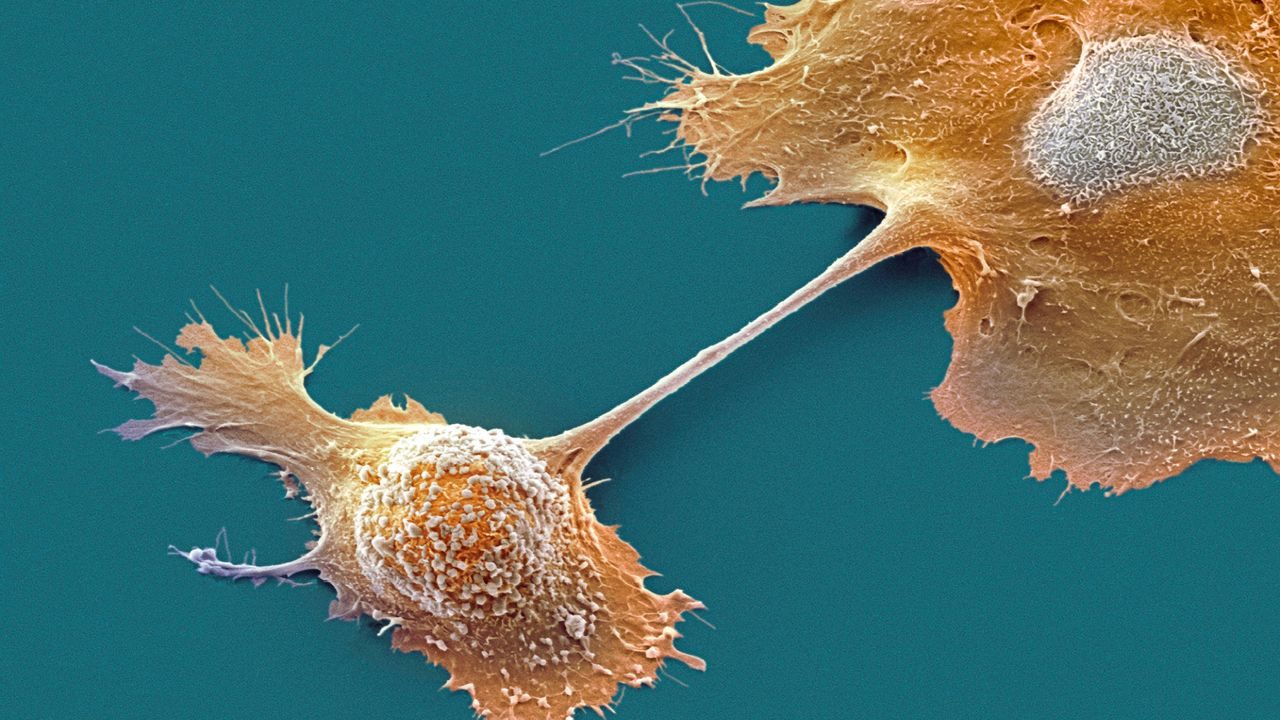
One of the deadliest cancers known to medicine may have met a meaningful obstacle — and it comes in the form of an experimental drug called elraglusib. A new study reports that this treatment has doubled one-year survival rates for patients with pancreatic cancer, a disease that has long resisted nearly every therapeutic advance thrown at it.
That number — doubling survival at the one-year mark — is the kind of result that rarely appears in pancreatic cancer research. This is a disease where the odds are brutally stacked against patients from the moment of diagnosis, and where incremental progress is often the best anyone dares to hope for.
Here is what we know about the drug, how it works, and what this finding could mean for patients and families facing one of medicine’s most feared diagnoses.
Why Pancreatic Cancer Is So Hard to Beat
Pancreatic cancer has earned its grim reputation for two main reasons. First, it is notoriously difficult to catch in its early stages — by the time most patients experience symptoms, the disease has typically already spread. Second, even when it is detected, treating it effectively has proven exceptionally challenging.
A large part of that challenge comes down to biology. Pancreatic tumors do not simply grow — they actively defend themselves. They construct a dense, protective web of tissue around themselves, a barrier that physically blocks immune cells and chemotherapy drugs from reaching the cancer. Think of it as the tumor building its own fortress walls.
That defense mechanism is precisely what has made pancreatic cancer so resistant to treatments that work reasonably well against other cancers. Chemotherapy drugs arrive at the tumor site but struggle to penetrate. The body’s own immune system, which in theory should help fight the disease, gets blocked out too.
Elraglusib was designed with that specific problem in mind.
How Elraglusib Targets the Tumor’s Defenses
According to the new study, elraglusib works by targeting the protective web that pancreatic tumors build around themselves. By disrupting that barrier, the drug allows two things to happen that previously could not: immune molecules can better reach and attack the tumor, and chemotherapy can penetrate more effectively.
In other words, elraglusib does not replace chemotherapy — it helps chemotherapy work the way it was supposed to in the first place. It is an approach that addresses the root cause of why standard treatment so often fails in pancreatic cancer.
The trial assessed both the safety and the early effectiveness of elraglusib, and the results showed a doubling of one-year survival rates compared to what would typically be expected. The researchers noted the drug’s safety profile as part of the findings, which is a critical early milestone for any experimental treatment moving through the development pipeline.
What the Study Actually Found — and What It Didn’t
| Factor | Detail |
|---|---|
| Drug name | Elraglusib |
| Cancer type targeted | Pancreatic cancer |
| Key mechanism | Disrupts the protective barrier tumors build around themselves |
| Effect on treatment | Improves penetration of immune molecules and chemotherapy into tumors |
| Reported outcome | One-year survival rates doubled in the trial |
| Trial phase focus | Safety and early effectiveness |
It is worth being clear about what this study represents. This is an early-phase trial — the kind designed to establish whether a drug is safe to give to patients and to gather preliminary signals about whether it appears to be working. A doubling of one-year survival is a striking early signal, but it is not yet the result of a large-scale randomized controlled trial, which would be the gold standard for confirming a new treatment’s effectiveness.
That distinction matters, not to diminish the finding, but to understand where it sits in the long road from experimental treatment to standard care.
Why This Finding Still Matters Enormously
Even with those caveats in place, researchers and patient advocates have reason to pay close attention. Pancreatic cancer has seen very few genuine therapeutic advances over the decades. Survival rates for the disease remain among the lowest of any cancer type, and the absence of early symptoms means most diagnoses come late, when options are already limited.
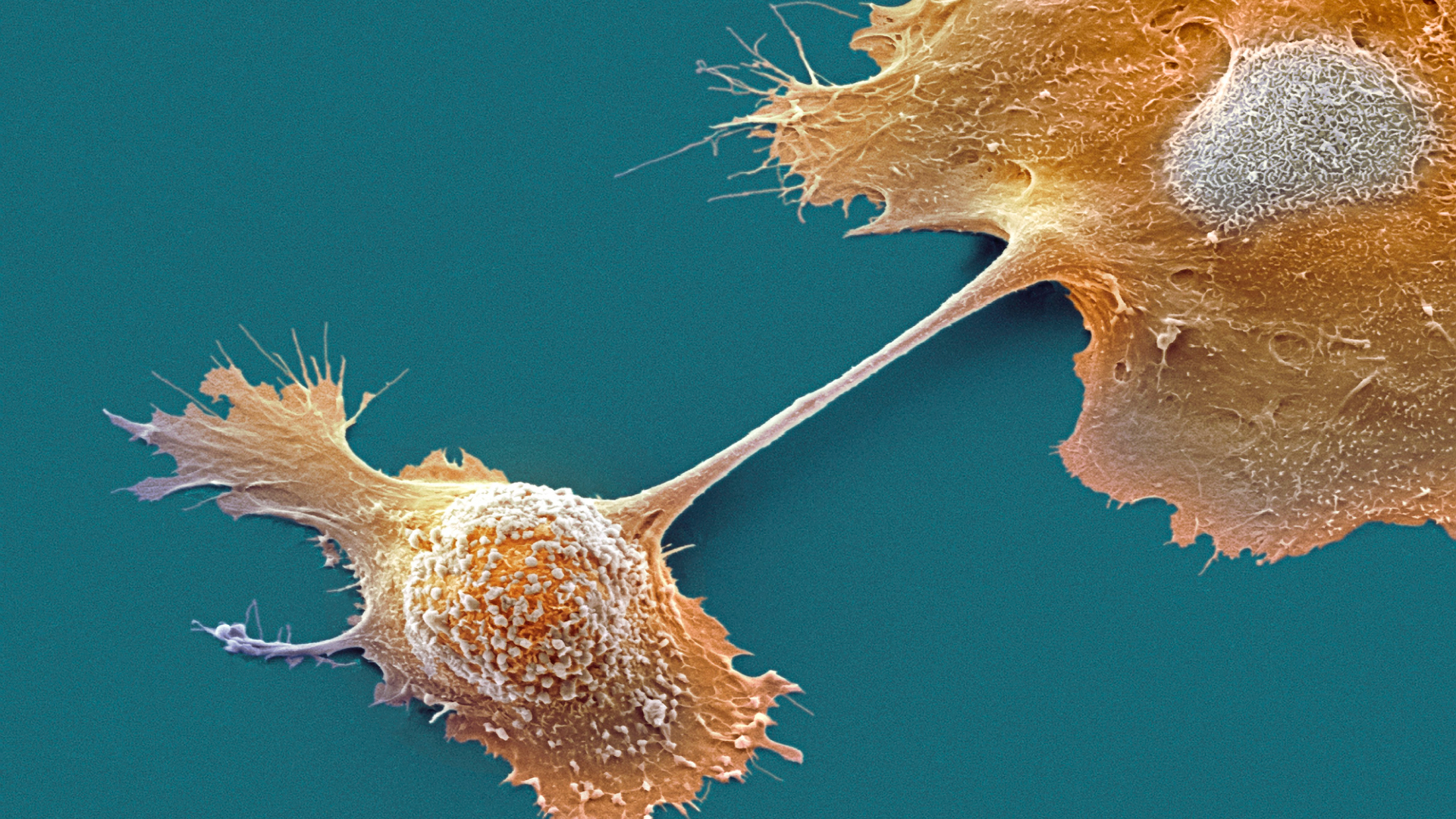
A drug that addresses the tumor’s physical defense mechanism — rather than simply trying to poison cancer cells that are already well-protected — represents a meaningfully different approach. If elraglusib’s early results hold up in larger trials, it could shift the way oncologists think about treating this disease.
- Pancreatic cancer is one of the most lethal cancers due to late detection and resistance to treatment
- Tumors actively construct protective barriers that block chemotherapy and immune responses
- Elraglusib targets that barrier directly, potentially making existing treatments more effective
- The trial showed the drug is safe and associated with doubled one-year survival rates
- Larger confirmatory trials would be the next step before this treatment could reach patients broadly
For patients currently living with pancreatic cancer, and for families watching loved ones navigate this diagnosis, findings like this carry enormous emotional weight. Even early-phase results offer something that has been in short supply in this field: genuine reason for cautious optimism.
What Comes Next for Elraglusib
The next step for any experimental drug showing this kind of early promise is typically a larger, more rigorous clinical trial. Researchers would need to confirm that the survival benefit seen in this study holds up across a broader and more diverse patient population, and to establish the most effective dosing and treatment combinations.
What is confirmed is that this study establishes both the safety profile and an encouraging early effectiveness signal — the two foundational requirements for moving a drug forward in the development process.
Whether elraglusib ultimately becomes a standard treatment for pancreatic cancer will depend on what those larger trials show. But in a field where good news has been rare, this result marks a step worth watching closely.
Frequently Asked Questions
What is elraglusib?
Elraglusib is an experimental drug being studied as a treatment for pancreatic cancer. It works by targeting the protective barrier that pancreatic tumors build around themselves, which may allow chemotherapy and immune molecules to penetrate tumors more effectively.
What did the trial find?
The trial found that elraglusib doubled one-year survival rates for pancreatic cancer patients, and also assessed the drug’s safety profile as part of its early-phase findings.
Is elraglusib available to patients now?
Elraglusib is still experimental and has not been confirmed as an approved standard treatment. Larger clinical trials would typically be required before a drug becomes widely available.
Why is pancreatic cancer so difficult to treat?
Pancreatic cancer is hard to detect early and tumors actively build a protective barrier that blocks chemotherapy and immune responses, making standard treatments far less effective than they are against other cancer types.
Does elraglusib replace chemotherapy?
Based on what is reported in the study, elraglusib works alongside chemotherapy rather than replacing it — it helps chemotherapy penetrate the tumor’s defenses more effectively.
When will larger trial results be available?
This has not yet been confirmed in the available source material. The current study establishes safety and early effectiveness, which are the prerequisites for advancing to larger trials.




Leave a Reply