
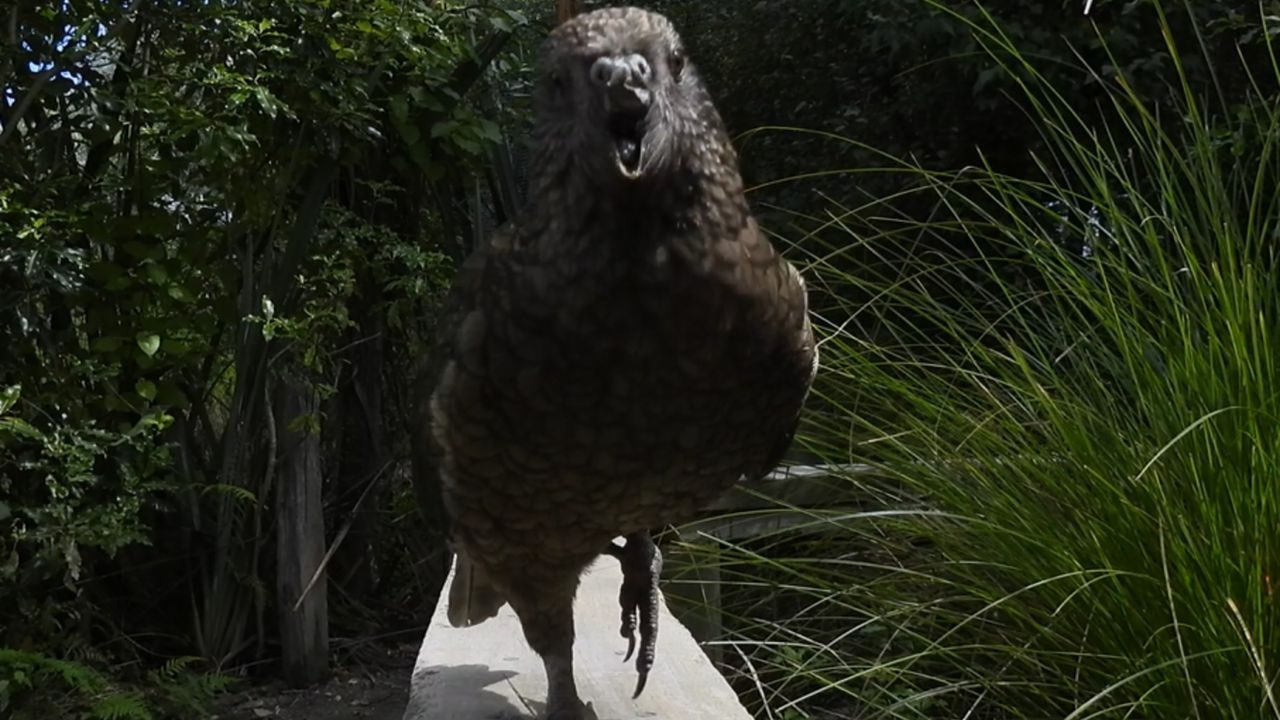
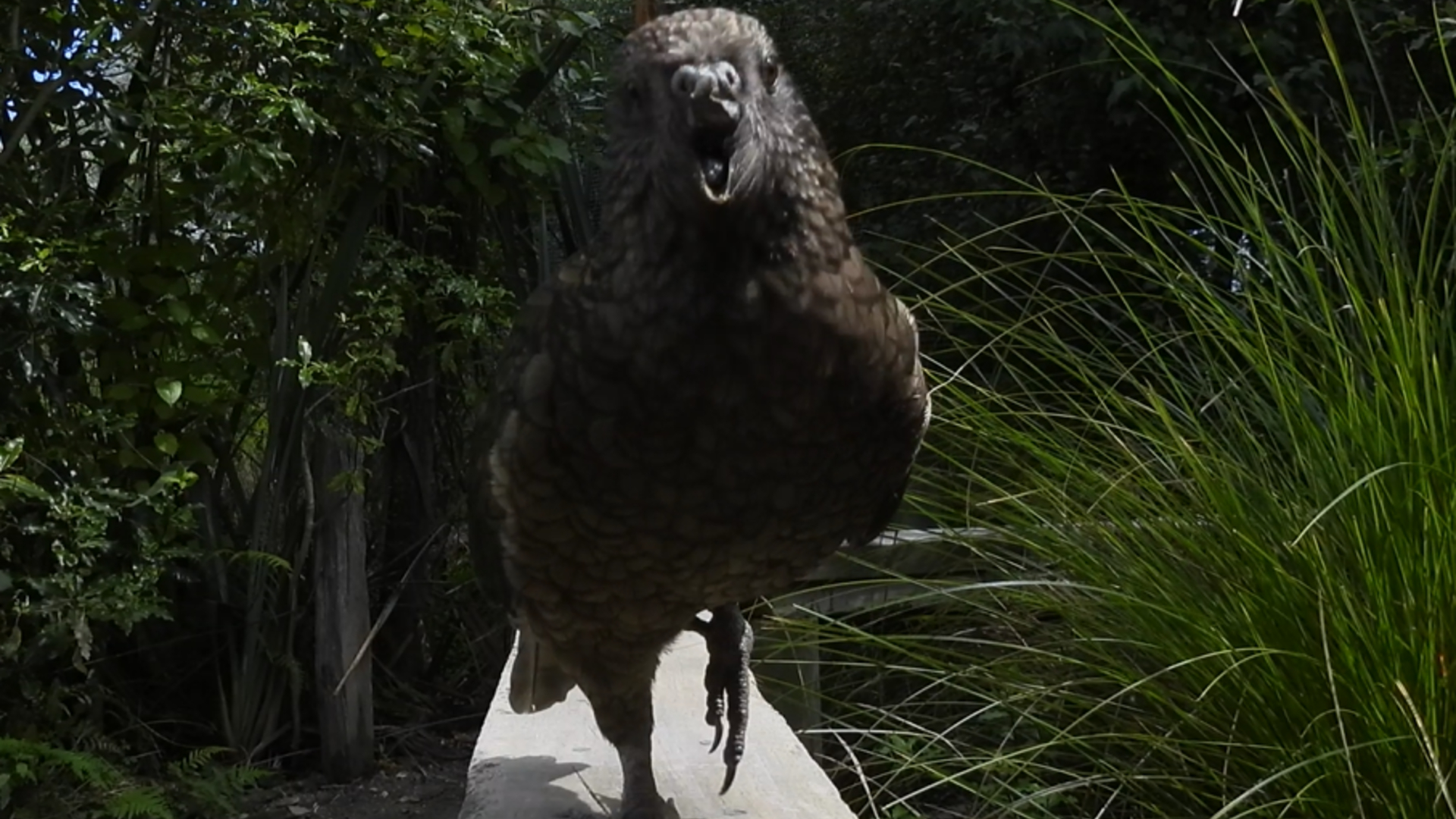
A parrot missing the entire upper half of his beak has figured out how to win social competitions against fully intact rivals — and researchers say his technique is genuinely remarkable.
The bird, named Bruce, lives in New Zealand and has developed a custom jousting method that compensates for his significant physical disadvantage. Rather than letting his injury push him to the bottom of the social ladder, Bruce has adapted in ways that scientists are only now beginning to document.
According to a new study, Bruce uses his exposed lower beak to thrust at opponents during jousting matches, targeting their heads, wings, beaks, and legs. Crucially, he usually doesn’t actually make contact — which suggests the technique is more about display and precision than raw force.
What Bruce’s Missing Beak Actually Means for a Parrot
For most birds, the beak is everything. It’s used for eating, grooming, communicating, and competing. Losing the upper half of it would, in theory, be catastrophic — not just for survival, but for social standing.
Bruce is a kea, a species of large parrot native to New Zealand’s South Island. Kea are known for being among the most intelligent birds on the planet, and Bruce’s story seems to offer a striking example of exactly that intelligence in action.
The research was conducted by Alex Grabham, a biologist at Te Whare Wānanga o Waitaha — the University of Canterbury in New Zealand. Grabham’s work documents how Bruce has not simply survived his injury, but found a way to remain socially competitive despite it.
Male kea engage in jousting as a way of establishing dominance and social rank. It’s a critical behavior for the species — birds with higher social status typically have better access to food, mates, and resources. Being unable to compete effectively would mean being sidelined entirely.
How Bruce Adapted His Jousting Technique
What makes Bruce’s case scientifically interesting isn’t just that he competes — it’s how he competes. Instead of using a full beak the way other males do, Bruce has developed a thrusting technique with his lower beak alone, directing it toward multiple target zones on his opponent’s body.
The fact that he rarely makes contact is telling. In many animal dominance contests, the actual physical strike matters less than the credible threat of one. Bruce appears to have learned — or instinctively developed — a way to make his movements look dangerous and deliberate enough to register as a real competitive challenge.
This kind of behavioral adaptation to physical injury is not commonly observed in wild or semi-wild bird populations, which makes Bruce’s case particularly valuable to researchers studying animal cognition and resilience.
Key Facts About Bruce and the Study
| Detail | Information |
|---|---|
| Bird’s name | Bruce |
| Species | Kea (New Zealand parrot) |
| Injury | Missing entire upper half of beak |
| Adapted behavior | Jousting using exposed lower beak |
| Targets during jousts | Head, wings, beak, and legs of opponent |
| Contact frequency | Usually does not make physical contact |
| Researcher | Alex Grabham, University of Canterbury, New Zealand |
- Bruce competes against fully intact male kea during jousting matches
- His technique appears deliberate and targeted, not random
- The research was published as a formal study, not just an observation
- The University of Canterbury is based in New Zealand, where kea are native
Why This Story Goes Beyond One Unusual Bird
It would be easy to read Bruce’s story as a feel-good tale about an underdog parrot beating the odds. But the scientific implications run deeper than that.
Animal behaviorists have long studied how individuals within a species adapt to injury or disability, but documented cases of animals developing genuinely new competitive techniques — rather than simply withdrawing from competition — are relatively rare. Bruce isn’t just surviving. He’s competing and winning.
That distinction matters. It raises questions about how much individual animals can innovate when faced with physical constraints, and whether that capacity for innovation is something that varies meaningfully across species. Kea, already celebrated for their problem-solving abilities, now have Bruce as a case study in social adaptability.
For conservationists, too, this kind of research has practical value. Kea are classified as endangered. Understanding how individual birds navigate injury, social hierarchy, and survival in the wild contributes to a fuller picture of the species’ resilience — and what might be needed to protect it.
What Researchers Will Be Watching Next
The study documents what Bruce does and how it appears to work, but there are natural follow-up questions that researchers will likely explore. Does Bruce maintain his social rank over time, or does the technique become less effective as rivals learn to read it? Does his injury affect other aspects of his daily life in ways that might eventually undermine his competitive success?
Kea are long-lived birds, and Bruce’s situation offers an ongoing natural experiment in adaptation. Researchers at the University of Canterbury are well-positioned to continue observing him, and future studies could shed more light on how his story develops.
For now, what the evidence shows is straightforward: a parrot with half a beak looked at the rules of his social world, found a way to play by them anyway, and has been winning. That’s not a small thing — for a bird or for science.
Frequently Asked Questions
What happened to Bruce the parrot’s beak?
Bruce is missing the entire upper half of his beak. The study does not specify how the injury occurred, but it is a significant physical impairment for a bird.
What species is Bruce?
Bruce is a kea, a large parrot native to New Zealand. Kea are considered one of the most intelligent bird species in the world.
How does Bruce compete in jousting without a full beak?
Bruce thrusts with his exposed lower beak during jousting matches, targeting his opponent’s head, wings, beak, and legs — though he usually stops short of making actual contact.
Who conducted the research on Bruce?
The research was conducted by Alex Grabham, a biologist at the University of Canterbury in New Zealand.
Is Bruce actually winning these jousting competitions?
According to the study, Bruce uses his adapted technique to attain top social status among male kea, suggesting his method is genuinely effective against fully intact rivals.
Are kea endangered?
Yes, kea are classified as endangered. Research into individual birds like Bruce contributes to broader understanding of the species’ behavior and resilience.



Leave a Reply