
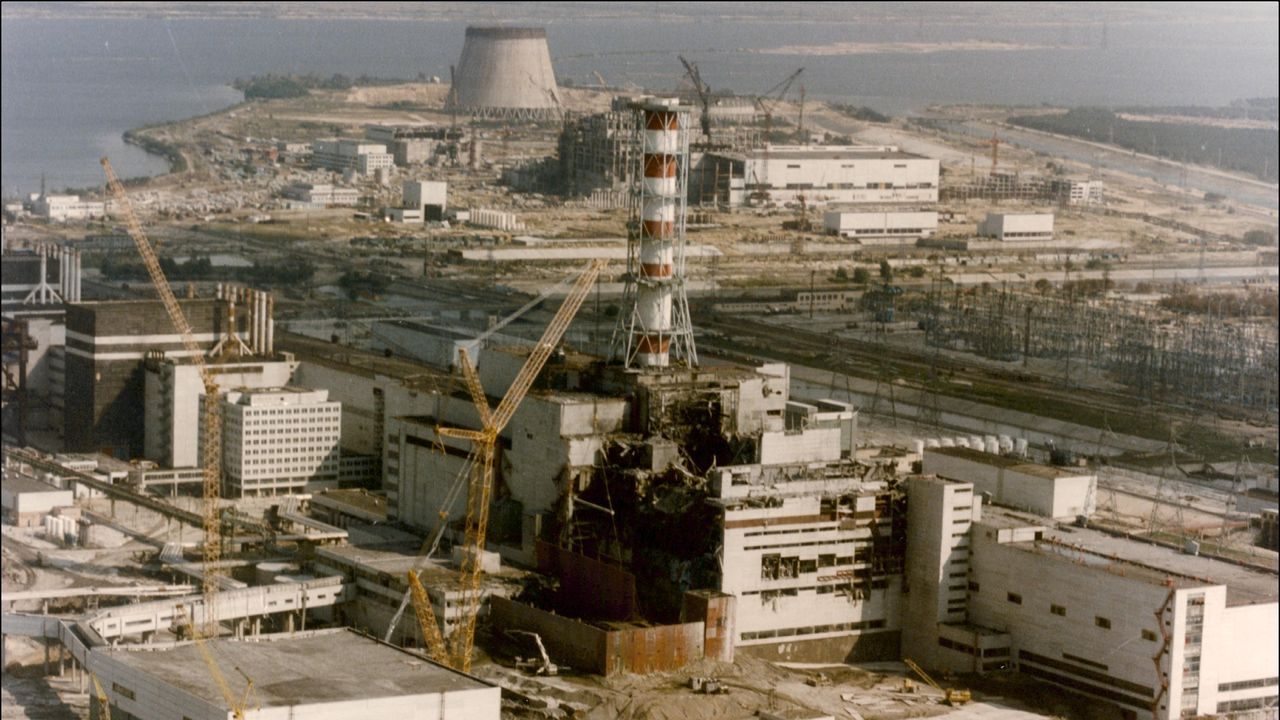
A routine safety test. That’s all it was supposed to be. On April 26, 1986, engineers at the Chernobyl Nuclear Power Plant in Ukraine ran what they believed was a standard procedure — a simulation of what would happen to the plant’s reactors during a power outage. What followed was the worst nuclear accident in human history.
Nearly four decades later, Chernobyl remains a defining moment in science, politics, and the story of human ambition colliding with catastrophic miscalculation. The name alone carries weight — a shorthand for everything that can go wrong when complex technology is pushed past its limits.
Understanding what actually happened that night, and why it matters, is more relevant now than ever as nations around the world revisit nuclear energy as part of their climate strategies.
What Was Happening Inside the Chernobyl Plant
The Chernobyl Nuclear Power Plant operated using fission power — a process in which uranium atoms are split inside nuclear cores, releasing enormous amounts of energy. That energy was harnessed to generate electricity for the Soviet Union.
The plant used several of these nuclear cores, each one a carefully managed chain reaction held in precise balance. Operators controlled the speed and intensity of fission using a combination of control rods and coolant systems. The margin for error was narrow. The consequences of getting it wrong were almost unimaginable.
On the night of April 26, the operators were running a test designed to answer a specific engineering question: if the plant lost external power, could the momentum of the turbines spinning down generate enough electricity to keep the reactor’s safety systems running until backup generators came online? It was a practical concern. It was also, as history recorded, a fatal one.
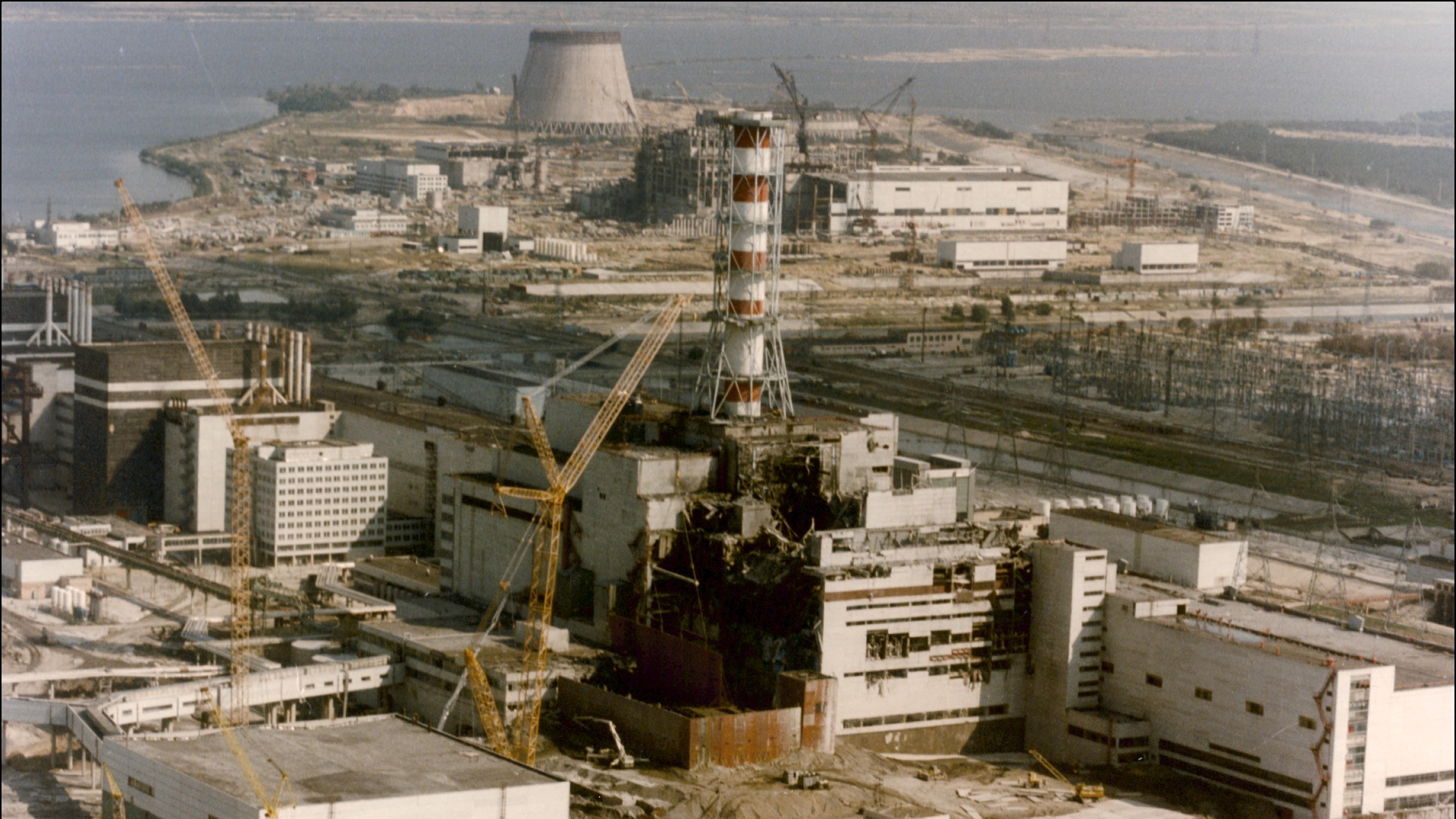
The test went wrong. The reactor entered an unstable state, and when operators attempted to correct course, they triggered a chain of events that caused a partial meltdown — an explosion and fire that tore open one of the reactor cores and sent a plume of radioactive material into the atmosphere over Ukraine and much of Europe.
The Scale of the Chernobyl Disaster
The explosion at Chernobyl was not a nuclear bomb detonation — that’s a common misconception. What occurred was a steam explosion followed by a graphite fire, which blasted the reactor’s roof off and exposed the burning core to the open air. Radioactive particles were carried by wind across international borders, reaching as far as Scandinavia and Western Europe within days.
The immediate area around the plant — a zone that would become known simply as “the Exclusion Zone” — was evacuated. The nearby city of Pripyat, home to tens of thousands of plant workers and their families, was abandoned almost overnight. It remains largely uninhabited to this day.
| Key Fact | Detail |
|---|---|
| Date of disaster | April 26, 1986 |
| Location | Chernobyl, Ukraine (then Soviet Union) |
| Cause | Failed safety test triggering partial reactor meltdown |
| Reactor type | Fission-based nuclear core using uranium |
| Classification | Worst nuclear accident in human history |
| Immediate area affected | Chernobyl Exclusion Zone, including city of Pripyat |
Why the Chernobyl Meltdown Changed the World
The ripple effects of April 26, 1986 extended far beyond the borders of the Soviet Union. For the global nuclear industry, Chernobyl was a turning point — a moment that forced governments, scientists, and engineers to fundamentally reconsider how nuclear plants were designed, operated, and regulated.
Public trust in nuclear energy collapsed in many parts of the world almost immediately. Countries that had been building new plants put projects on hold. Others began phasing out nuclear power entirely. The psychological impact was as significant as the physical one — Chernobyl showed that the unthinkable could actually happen.
For the Soviet Union itself, the disaster had consequences that historians argue contributed to the collapse of the state just a few years later. The enormous cost of the cleanup, the government’s initial attempts to conceal what had happened, and the eventual transparency forced by the scale of the catastrophe all eroded public confidence in Soviet leadership at a critical moment.
- Chernobyl accelerated global debate about nuclear safety standards
- It prompted new international frameworks for sharing information during nuclear emergencies
- The disaster became a symbol of Soviet institutional failure and secrecy
- Entire communities were permanently displaced from the surrounding region
- Radioactive contamination spread across parts of Europe, raising long-term public health concerns
The Part of This Story That Still Resonates Today
What makes Chernobyl enduringly significant isn’t just the scale of destruction — it’s the circumstances that allowed it to happen. The test being conducted that night had actually been attempted before and repeatedly delayed. Operators were tired. Procedures were rushed. Warning signs were overridden.
In other words, the disaster wasn’t purely a technological failure. It was a human one, compounded by institutional pressure, poor communication, and a culture that discouraged questioning authority. Those are lessons that apply well beyond nuclear power.
Today, as climate change pushes many governments back toward nuclear energy as a low-carbon power source, Chernobyl serves as both a cautionary tale and a reference point. Modern reactor designs have incorporated significant safety improvements since 1986, but the fundamental question the disaster raised — how do we manage powerful technology responsibly — has never gone away.
What Happened in the Years That Followed
The cleanup of Chernobyl became one of the largest and most expensive environmental remediation efforts in history. A concrete structure known as the “sarcophagus” was hastily constructed over the destroyed reactor in the months after the explosion to contain further radiation release. Decades later, a massive steel containment structure — the New Safe Confinement — was completed and slid into place over the original sarcophagus.
The Exclusion Zone around the plant has, in a strange twist, become one of Europe’s most unusual wildlife refuges. Without human presence, forests and animal populations have reclaimed the abandoned landscape — a reminder that nature operates on timescales very different from our own.
Chernobyl remains an active site of scientific study, monitoring, and ongoing management. It is unlikely to be fully safe for human habitation for thousands of years.
Frequently Asked Questions
What caused the Chernobyl nuclear disaster?
Operators at the Chernobyl Nuclear Power Plant were running a safety test to simulate what would happen during a power outage, and the test triggered a partial meltdown — the worst nuclear accident in human history.
When did the Chernobyl meltdown happen?
The disaster occurred on April 26, 1986, at the Chernobyl Nuclear Power Plant in Ukraine, which was then part of the Soviet Union.
How does a nuclear fission reactor work?
Fission reactors generate power by splitting uranium atoms inside nuclear cores, releasing energy that is used to produce electricity.
Was Chernobyl a nuclear explosion like an atomic bomb?
No — the explosion at Chernobyl was a steam explosion followed by a graphite fire, not a nuclear weapons-style detonation, though it did release large amounts of radioactive material into the atmosphere.
Is the area around Chernobyl still dangerous today?
The site and surrounding Exclusion Zone remain heavily contaminated with radiation and are not considered safe for permanent human habitation; the area is not expected to be fully habitable for thousands of years.
Why is Chernobyl considered historically significant beyond the immediate disaster?
The Chernobyl meltdown reshaped global nuclear policy, eroded public trust in Soviet leadership, and became one of the most studied examples of how human error and institutional failure can amplify technological catastrophe.

Leave a Reply