
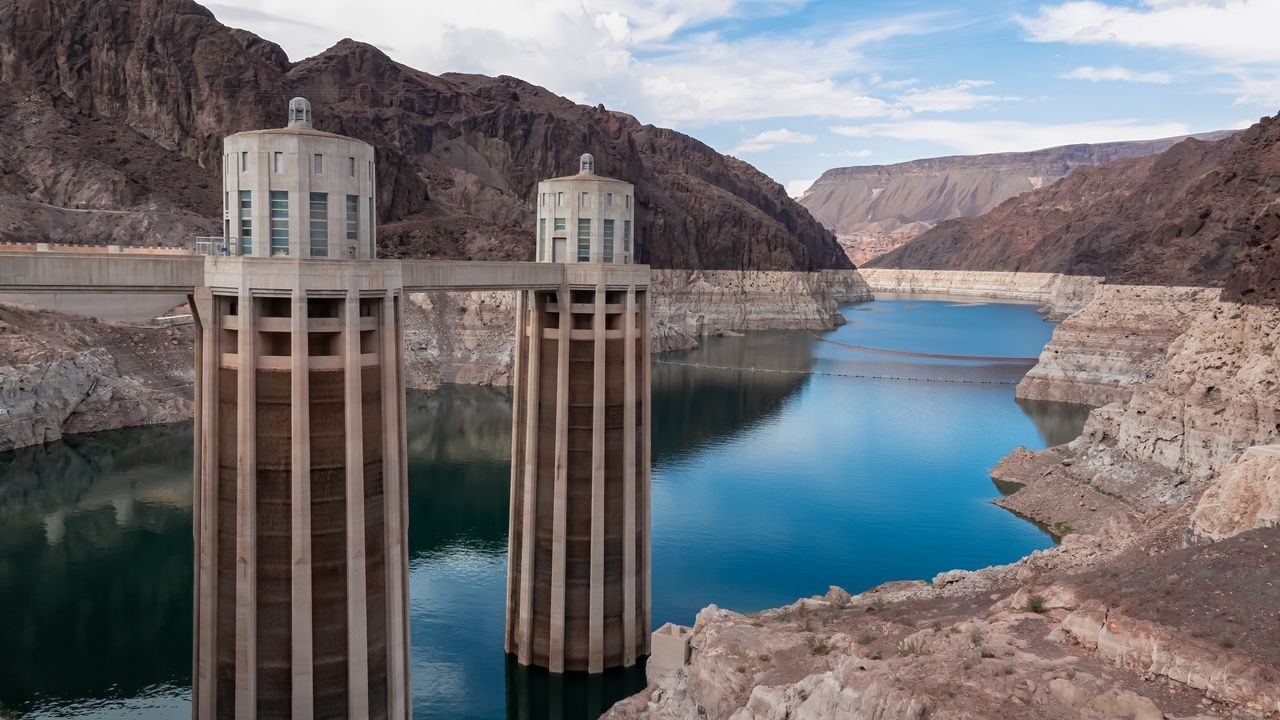
Forty million people depend on the Colorado River for their water — and recent research suggests that catastrophic shortages may be unavoidable, even if cities like Phoenix, Las Vegas, and Denver make dramatic cuts to how much water they use.
That is not a distant, theoretical warning. Water shortages could begin as soon as this summer, driven by snowpack levels that have reached a record low over Lake Powell, one of the two massive reservoirs that store Colorado River water for the American West.
Experts are describing what is unfolding as a “completely new reality” — one that demands bolder, faster action than anything the region has attempted before.
Why the Colorado River Is Running Out of Time
The Colorado River is the lifeblood of the American Southwest. It supplies water to seven U.S. states, supports agriculture across vast stretches of desert, and keeps some of the country’s fastest-growing cities functioning. For decades, the system worked — not perfectly, but well enough.
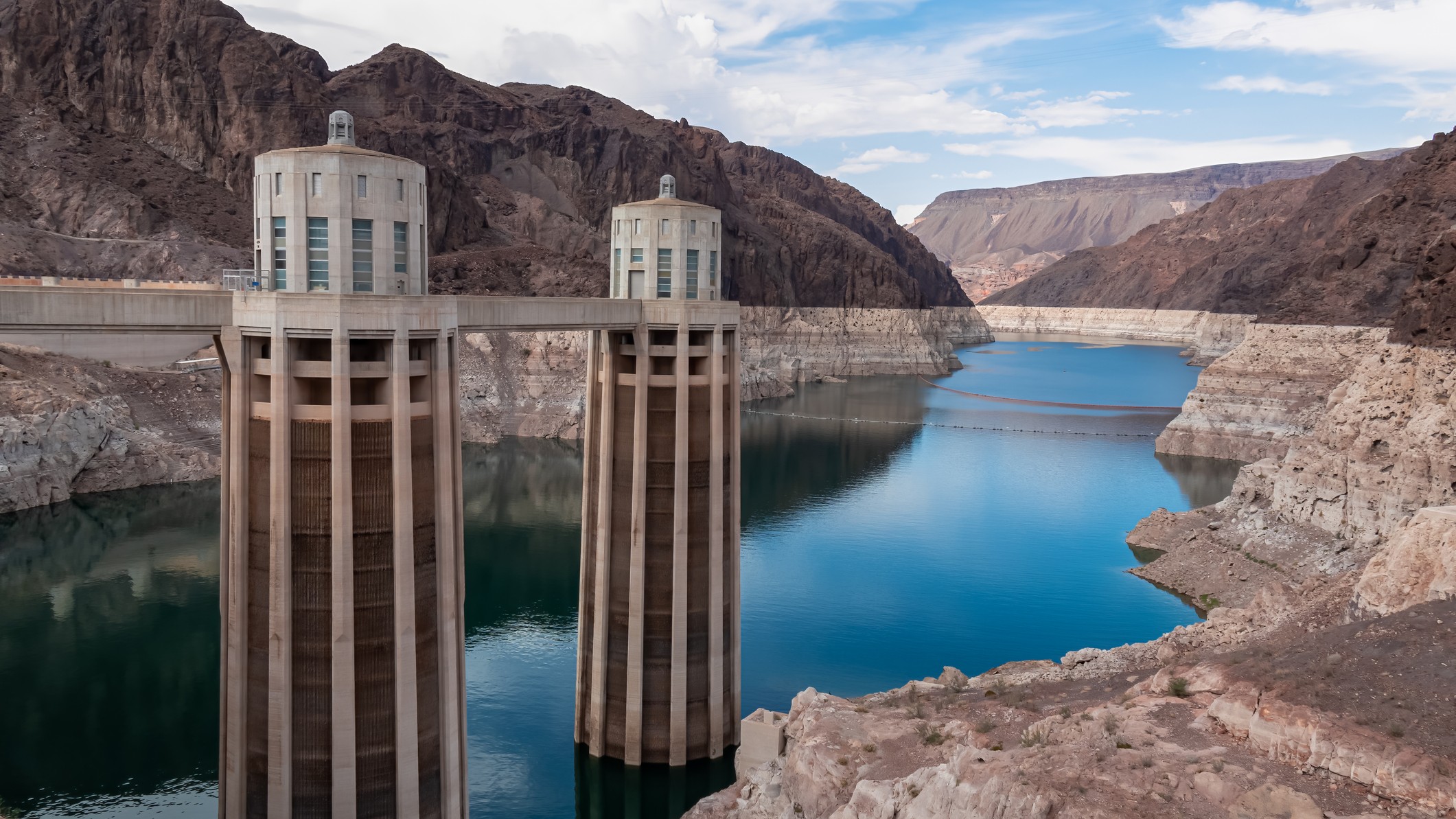
That balance is now breaking down. The combination of prolonged drought, rising temperatures, and surging demand has pushed the river’s two key reservoirs — Lake Mead and Lake Powell — to dangerously low levels. Researchers warn that even aggressive conservation efforts by major cities may not be enough to prevent serious shortfalls in the years ahead.
The core problem is that the West has been promised more water than the river can actually deliver, and climate change is shrinking the supply further every year. What was once considered a worst-case scenario is increasingly looking like the baseline.
Lake Mead Could Drop to Just 20% Full This Year
Lake Mead is the largest reservoir in the United States by volume, and it serves nearly 25 million people, supplying water to cities including Las Vegas. According to experts cited in recent reporting, Lake Mead could fall to just 20% of its total capacity this year — a level they describe as incredibly worrying.
To put that in perspective, when Lake Mead drops below certain threshold levels, the federal government triggers mandatory water cuts to the states that depend on it. The lower the reservoir falls, the more severe those cuts become. At 20% capacity, the downstream consequences for communities, farms, and ecosystems would be severe.
Lake Powell, the other major Colorado River reservoir, is facing its own crisis. Snowpack levels — the mountain snow that melts each spring and feeds the river — reached a record low over Lake Powell, meaning far less water than normal is flowing in to replenish what has already been depleted.
What the Research Actually Shows
Here is what is confirmed from the source reporting and the research it draws on:
| Key Fact | Detail |
|---|---|
| Total population dependent on Colorado River | Approximately 40 million people |
| Population served by Lake Mead | Almost 25 million people |
| Projected Lake Mead level (this year) | Could drop to approximately 20% full |
| Snowpack status over Lake Powell | Record low levels recorded |
| Cities most at risk | Las Vegas, Phoenix, Denver |
| Timeline for potential shortages | Could begin as soon as this summer |
The research findings are striking because they suggest that even dramatic usage cuts by the region’s biggest cities may not be sufficient to prevent catastrophic shortages. This challenges the assumption that conservation alone can solve the problem — and points toward the need for structural, systemic changes in how water is managed, allocated, and priced across the entire Colorado River basin.
Who Gets Hit Hardest — and Why It Affects More Than Just Cities
When people think about water shortages, they often picture dry taps and hosepipe bans. The reality is considerably more complicated — and more damaging.
Agriculture accounts for the majority of Colorado River water use, which means that as supplies tighten, farms face the sharpest cuts. That has direct consequences for food production across the Southwest and beyond. Crops grown in this region reach grocery stores nationwide.
For city residents in Las Vegas, Phoenix, and Denver, the risks are also real. These are among the fastest-growing urban areas in the country, and their expansion has been built on the assumption of continued water access. If that assumption no longer holds, the implications stretch from housing development to economic growth to basic quality of life.
Researchers argue that bolder measures are needed — not just incremental conservation targets, but a fundamental rethinking of how the West relates to water. That could mean harder limits on new development, major investment in water recycling and desalination, renegotiation of how river water is divided among states, or some combination of all of these.
What Happens Next — and How Quickly It Could Unfold
The urgency here is not measured in decades. Experts warn that shortages could arrive this summer if conditions do not improve. The record-low snowpack over Lake Powell means the normal seasonal replenishment that the system depends on simply may not happen at the scale required.
Federal water managers have the authority to declare shortage conditions and impose mandatory cuts on states, and those mechanisms could be triggered sooner than many residents and officials have prepared for. The question is not just whether cuts will happen, but how deep they will need to go — and whether the political will exists to make the harder structural changes before the situation becomes unmanageable.
Researchers are calling this a completely new reality, and the phrase carries weight. The old models, the old agreements, and the old assumptions about how much water the Colorado River can reliably provide are no longer adequate. What replaces them will shape the future of the American West.
Frequently Asked Questions
How many people depend on the Colorado River for water?
Approximately 40 million people across the region rely on the Colorado River, including residents of major cities like Las Vegas, Phoenix, and Denver.
How low could Lake Mead drop this year?
Experts warn that Lake Mead could fall to around 20% of its total capacity this year, which they describe as incredibly worrying for the nearly 25 million people it serves.
When could water shortages actually begin?
According to recent research, shortages could begin as soon as this summer, partly because snowpack levels over Lake Powell reached a record low, reducing the water flowing into the system.
Would conservation by cities like Las Vegas and Phoenix be enough to fix the problem?
Research suggests that even dramatic usage cuts by major cities may not be sufficient to prevent catastrophic shortages, pointing to the need for bolder and more systemic measures.
What kind of bolder measures are researchers calling for?
Is this a long-term problem or an immediate crisis?
Both — researchers describe it as a completely new reality that requires urgent action now, with potential shortages possible this summer, while the underlying structural imbalance between water supply and demand represents a long-term challenge for the entire region.


Leave a Reply