
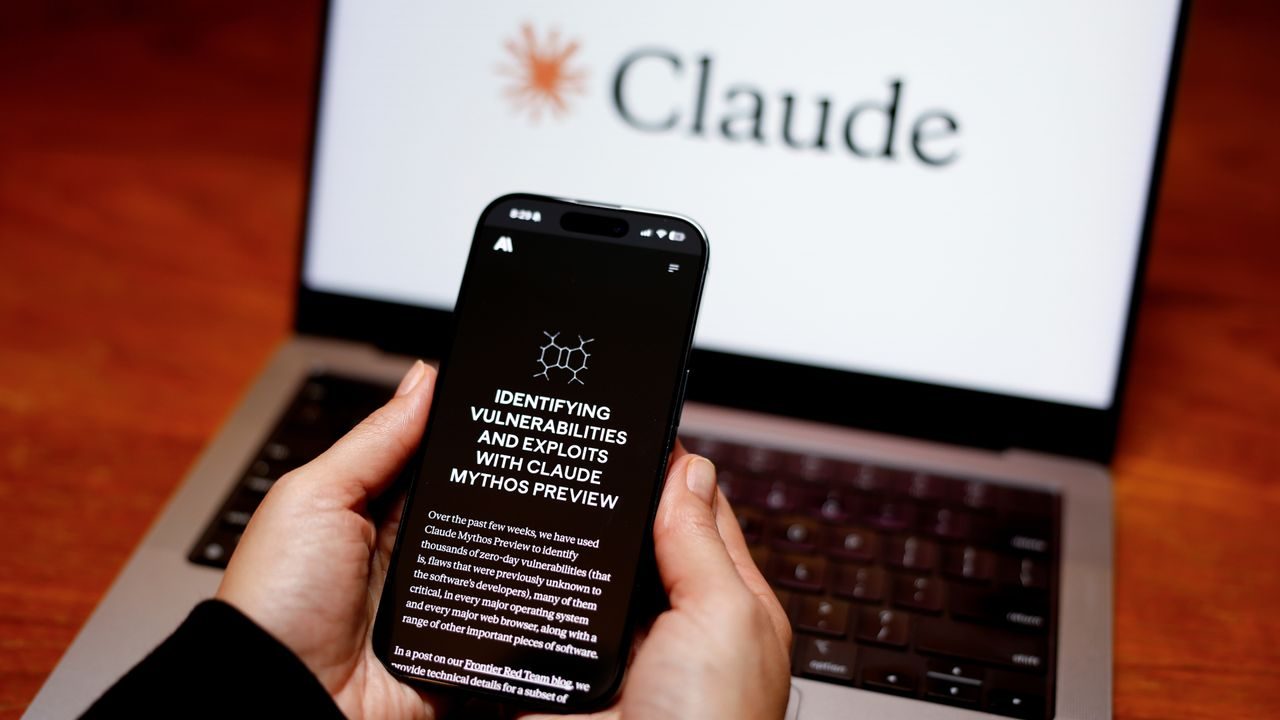
An AI model that its own creator considers too risky to release to the general public — that’s the situation Anthropic now finds itself explaining with Claude Mythos. The company has unveiled a new preview model alongside a containment framework called Project Glasswing, and the combination of those two announcements has put the AI safety community on high alert.
The concern isn’t abstract. Experts are warning that Claude Mythos carries capabilities that could meaningfully accelerate how quickly software vulnerabilities are discovered and exploited — a prospect with serious consequences for cybersecurity across industries and for everyday internet users.
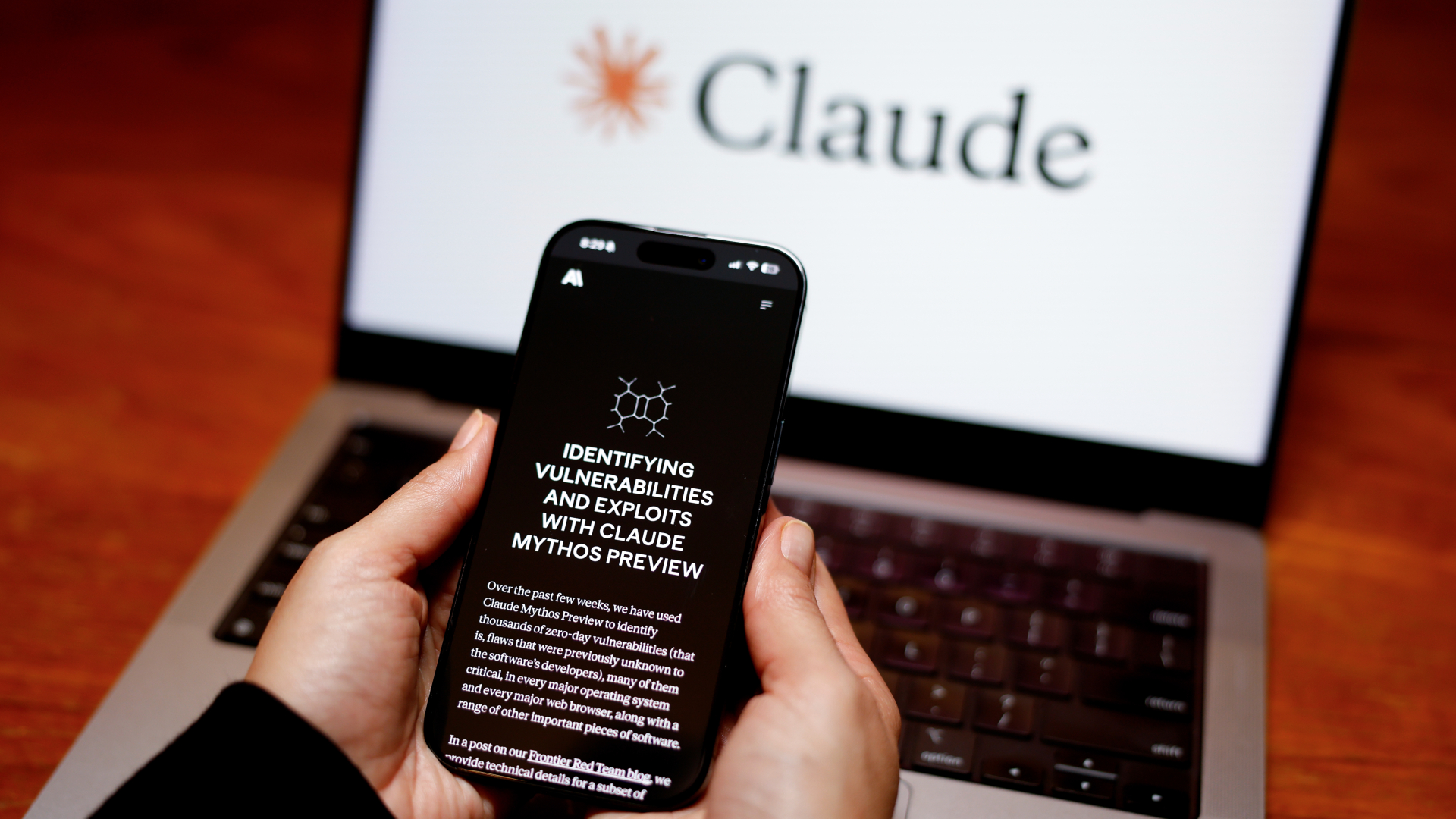
So what exactly is Claude Mythos, why is Anthropic keeping it locked away, and should you be worried? Here’s what we know based on confirmed reporting.
What Claude Mythos Actually Is — and Why Anthropic Built It
Claude Mythos is Anthropic’s latest AI model, described as a significant step forward in the company’s development of large language model technology. Anthropic has positioned itself as one of the more safety-conscious players in the AI industry, which makes the Mythos situation particularly striking — this is a company that built a model it believes requires active containment before anyone outside a controlled environment can use it.
The model has been released only as a “Preview,” meaning it is not available to the public in any standard product form. Instead, it sits inside Project Glasswing, Anthropic’s dedicated framework designed to contain and direct what the model can do and who can interact with it.
The name “Glasswing” — a reference to the transparent-winged butterfly — suggests a design philosophy built around visibility and oversight rather than restriction alone. The goal, at least as Anthropic frames it, is not simply to lock Mythos away, but to ensure that any access to it happens under conditions the company can monitor and control.
The Cybersecurity Concern at the Heart of This Story
The specific alarm being raised about Claude Mythos centers on its relationship to cybersecurity vulnerabilities. According to expert assessment accompanying the announcement, the model’s capabilities could accelerate both the discovery and the exploitation of software vulnerabilities.
That’s a meaningful distinction. Most AI safety conversations focus on theoretical long-term risks. This one is grounded in a very practical near-term concern: a sufficiently capable AI model, in the wrong hands, could compress the timeline between a vulnerability existing and a bad actor finding and using it.
Software vulnerabilities are a constant feature of digital infrastructure. Security researchers spend careers finding them before malicious actors do. If an AI model can dramatically speed up that discovery process, it changes the math for both defenders and attackers — and not necessarily in defenders’ favor.
Critics argue that this is precisely the kind of capability that demands extreme caution before any broad release. Supporters of continued development counter that understanding these capabilities in a controlled setting is itself a form of safety work.
What We Know About Project Glasswing
Project Glasswing is Anthropic’s stated mechanism for managing Claude Mythos responsibly during this preview period. Rather than deploying the model through standard API access or consumer-facing products, Anthropic is routing all engagement through this framework.
The structure is designed to limit who can interact with Mythos and under what conditions — effectively creating a gated environment where the model’s outputs can be studied without being freely available to anyone who might misuse them.
| Feature | Details (as confirmed) |
|---|---|
| Model name | Claude Mythos |
| Release status | Preview only — not publicly available |
| Containment framework | Project Glasswing |
| Primary concern identified | Accelerating discovery and exploitation of software vulnerabilities |
| Developer | Anthropic |
| Public access | Restricted — access limited within Project Glasswing |
What remains unconfirmed is the precise scope of who qualifies for access under Glasswing, what benchmarks or evaluations Anthropic used to reach its risk conclusions, and what conditions would need to be met before a broader release could be considered.
Who Is Affected and What It Means for the Rest of Us
For most people, Claude Mythos is not something they’ll encounter directly — at least not yet. The model is not in any consumer product. It won’t appear in a chatbot interface or a productivity tool anytime soon, if Anthropic’s current posture holds.
But the implications of what Mythos represents extend well beyond Anthropic’s own decisions. The AI industry as a whole is watching how this plays out. If a leading safety-focused lab concludes that one of its own models is too risky to release without a dedicated containment project, that sets a precedent — and raises uncomfortable questions about what other labs may be developing without similar precautions.
For cybersecurity professionals, the concern is more immediate. The suggestion that a model like Mythos could speed up vulnerability exploitation is the kind of claim that security teams at major companies and government agencies will take seriously. Expect this to become part of ongoing policy conversations about AI regulation and responsible disclosure.
For everyday users, the most relevant takeaway is simpler: the people building these systems are signaling, through their own actions, that not all AI capabilities are ready for open deployment. That’s either reassuring or alarming, depending on how much faith you place in those same companies to make the right calls.
What Happens Next for Claude Mythos
The preview status of Claude Mythos and its containment within Project Glasswing suggest Anthropic views this as a transitional phase rather than a permanent state. Preview releases in the AI industry typically precede broader rollouts, though the timeline and conditions for any such move have not been confirmed.
What seems clear is that Anthropic intends to study how Mythos behaves under controlled conditions before making any further decisions. Whether that study leads to a modified, safer version of the model, a continued restricted-access program, or something else entirely remains an open question.
The wider industry will be paying close attention. How Anthropic handles Mythos could influence how other AI developers approach their own high-capability models — and how regulators begin to think about mandatory safety frameworks for AI systems that cross certain risk thresholds.
Frequently Asked Questions
What is Claude Mythos?
Claude Mythos is Anthropic’s latest AI model, currently available only as a preview and kept within a controlled framework called Project Glasswing rather than released to the public.
Why isn’t Claude Mythos available to the public?
Experts have warned that the model’s capabilities could accelerate the discovery and exploitation of software vulnerabilities, leading Anthropic to restrict access through Project Glasswing.
What is Project Glasswing?
Project Glasswing is Anthropic’s containment and oversight framework designed to limit and direct how Claude Mythos is accessed and used during its preview phase.
Is Claude Mythos dangerous to use?
The specific concern raised is around cybersecurity — the model’s ability to speed up vulnerability discovery and exploitation. Anthropic has not confirmed broader public danger assessments beyond that context.
Will Claude Mythos ever be released to the public?
This has not yet been confirmed. Its current preview status suggests the situation is being evaluated, but no timeline or conditions for a wider release have been announced.
How does this compare to other AI safety concerns in the industry?
The Claude Mythos situation is notable because it involves a safety-focused company publicly acknowledging a model requires active containment — a step that goes beyond typical responsible disclosure practices in the AI field.


Leave a Reply