
Inside the abdomen of an ancient Egyptian mummy, archaeologists have found something no one expected: a papyrus scroll containing part of one of the greatest works of literature ever written. The text is a passage from Homer’s Iliad — the legendary Greek epic about the Trojan War — and it was hidden within the mummy’s body, preserved for roughly two thousand years.
Researchers working at the archaeological site of Oxyrhynchus in Egypt made the discovery, and they are already describing it as “exceptional.” It is easy to see why. The combination of a Roman-era mummy and a hand-written Greek literary text tucked inside it is the kind of find that stops archaeologists mid-sentence.
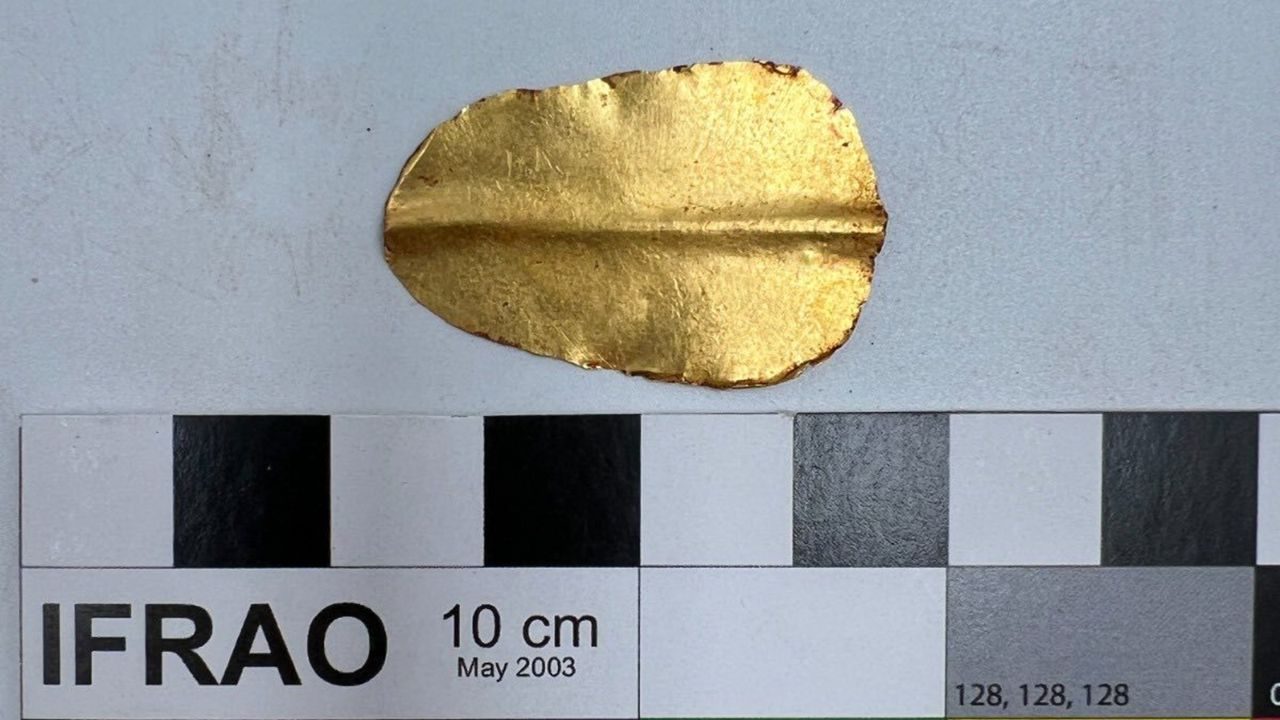
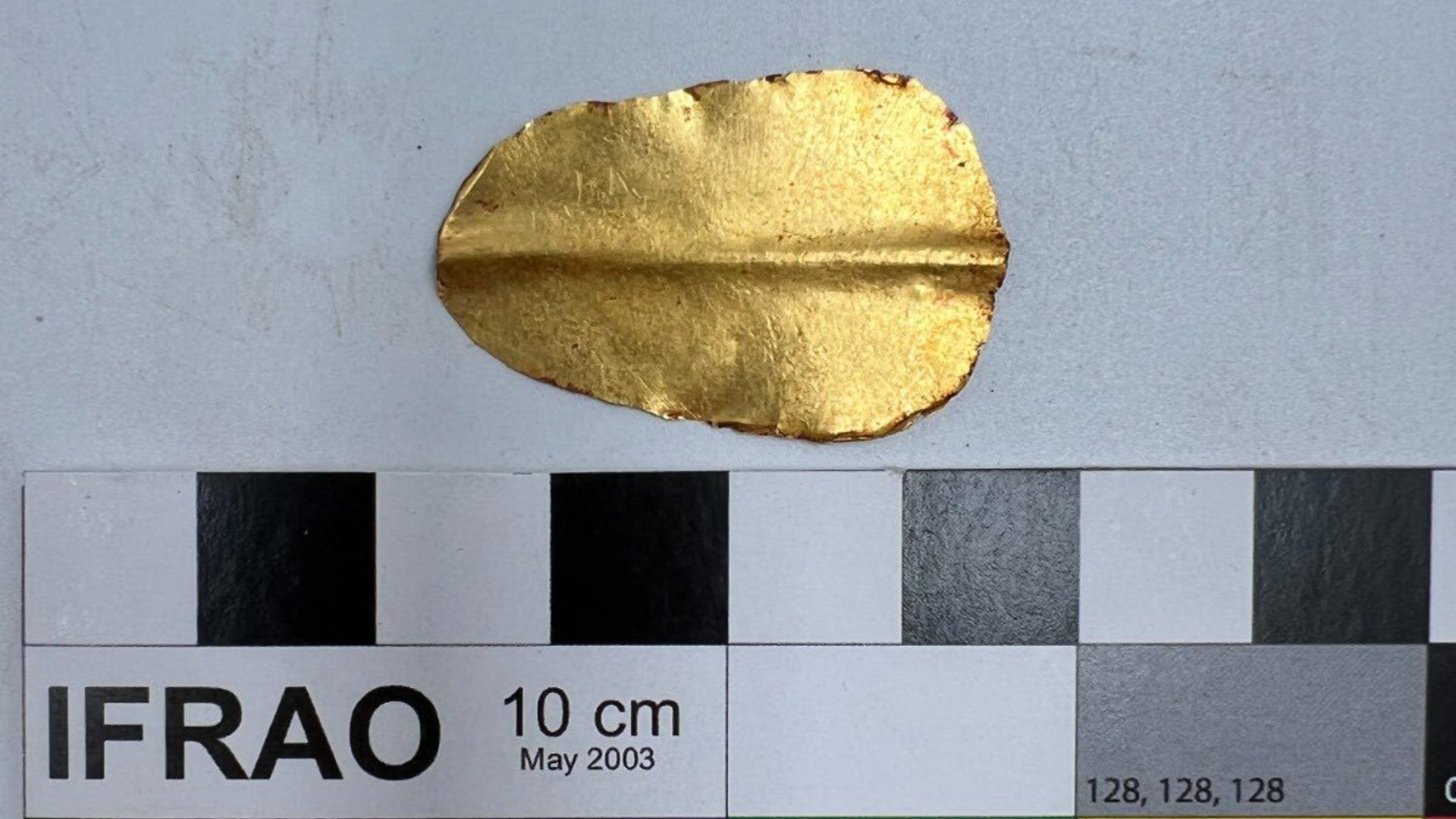
The same excavation also turned up gold tongues placed inside mummies — a funerary practice meant to allow the dead to speak in the afterlife. But it is the papyrus that has captured the attention of the ancient world scholarly community.
What Was Found Inside the Egyptian Mummy
The papyrus was written in Greek and contains text from Book 2 of the Iliad. That particular section of Homer’s epic is known as the Catalogue of Ships — a passage that lists the vessels and their commanders who sailed to wage war against the city of Troy. It is one of the most famous passages in all of ancient literature, and for centuries it has served as a kind of historical inventory of the Greek world.
Finding it inside a mummy is unusual on multiple levels. The Iliad was widely read and copied throughout the ancient Mediterranean world, but placing a literary text inside a burial — tucked within the body itself — is a striking departure from the more typical practice of burying religious or funerary texts with the dead.
The site of Oxyrhynchus has long been one of the most important archaeological locations for ancient papyrus finds. The region’s dry desert climate has allowed organic materials to survive that would have rotted away almost anywhere else on earth. Thousands of papyrus fragments have been recovered there over more than a century of excavation, covering everything from official documents to private letters to literary texts. This latest discovery adds a remarkable chapter to that already extraordinary record.
The Iliad, the Trojan War, and Why This Passage Matters
Homer’s Iliad is believed to have been composed sometime around the 8th century BCE, though it describes events set centuries earlier during the Bronze Age siege of Troy. The Catalogue of Ships in Book 2 is notable because it reads almost like a historical document — a detailed accounting of the Greek forces, their origins, and their leaders.
Scholars have debated for generations whether the Catalogue reflects genuine historical memory of a real military coalition or whether it is a literary invention. Either way, its presence on a papyrus tucked inside a Roman-era mummy raises fascinating questions about how the people of that time related to Homer’s work — not just as literature, but possibly as something sacred or protective.
The Roman period in Egypt, roughly from the 1st century BCE onward, saw a blending of Greek, Roman, and Egyptian cultural and religious traditions. It would not be entirely surprising if a Homeric text carried spiritual significance for someone living in that world — though the precise reason this particular passage ended up inside this particular mummy remains unknown.
Key Details at a Glance
| Detail | What We Know |
|---|---|
| Location of discovery | Oxyrhynchus, Egypt |
| Type of object | Roman-era mummy |
| Where text was found | Inside the mummy’s abdomen |
| Material | Papyrus |
| Language | Greek |
| Text identified | Book 2 of Homer’s Iliad |
| Subject of the passage | The Catalogue of Ships — vessels used against Troy |
| Other finds at the site | Gold tongues placed inside mummies |
- The find has been described by archaeologists as “exceptional”
- Oxyrhynchus is already one of the world’s most important sites for ancient papyrus discoveries
- The gold tongues found at the same site were a funerary practice intended to help the dead speak in the afterlife
- The text is part of one of the most analyzed passages in all of ancient Greek literature
Why a Find Like This Resonates Beyond the Dig Site
For most people, ancient Egypt conjures images of pharaohs, pyramids, and hieroglyphics. But by the Roman period, Egypt was a deeply cosmopolitan place where Greek was a dominant language of culture and administration. Homer was not a foreign curiosity there — he was the foundation of a shared literary education across the Greek-speaking world.
What makes this mummy remarkable is the intimacy of the placement. This was not a text left in a tomb chamber or placed beside a body. It was put inside the body. That deliberate act suggests the papyrus held meaning beyond the purely literary — whether as protection, as identity, or as something the living believed the dead would need.
The gold tongues found alongside the mummies at Oxyrhynchus reinforce this picture of a burial culture deeply invested in equipping the dead for whatever came next. Placing words — Homer’s words — inside the body may have been another expression of the same impulse.
What Researchers Will Be Looking at Next
The papyrus will now be subject to further analysis to better understand its age, the hand that wrote it, and any additional details about the individual buried with it. Researchers will also be examining the broader context of the Oxyrhynchus excavation to understand whether this burial was an isolated case or part of a wider practice.
The Egyptian Ministry of Tourism and Antiquities has been involved in the find, and further details are expected to emerge as the analysis continues. For now, the discovery stands as one of the more genuinely surprising intersections of ancient literature and ancient burial practice that archaeology has produced in recent years.
Frequently Asked Questions
Where was the Iliad papyrus found?
It was discovered inside the abdomen of a Roman-era mummy at the archaeological site of Oxyrhynchus in Egypt.
Which part of the Iliad was on the papyrus?
The text comes from Book 2 of the Iliad, specifically the section known as the Catalogue of Ships, which lists the vessels used in the war against Troy.
What language was the text written in?
The papyrus was written in Greek.
Why would a Homeric text be placed inside a mummy?
The precise reason has not been confirmed, but researchers suggest it may have carried spiritual or protective significance for the people who prepared the burial.
What else was found at the same site?
Archaeologists also found gold tongues placed inside mummies at Oxyrhynchus — a funerary practice believed to help the dead speak in the afterlife.
How significant is this discovery?
Archaeologists have described the find as “exceptional,” noting that placing a literary text inside a mummy’s body is a highly unusual and rarely documented practice.




Leave a Reply