
Wildfires feel like a crisis of our time — worsened by drought, fanned by heat, and increasingly difficult to contain. But new research from an international team that includes Chilean scientists puts our modern fire problem into a perspective that is almost impossible to wrap your head around: forests were already burning on this planet 237 million years ago, long before most of the animals we recognize today had evolved.
The evidence comes from fossil charcoal buried in ancient lake sediments in what is now southwest Kyrgyzstan — and it is rewriting what scientists thought they knew about fire’s role in shaping Earth’s earliest forest ecosystems.
This is not simply a story about old rocks. It is a story about fire as a permanent feature of life on Earth, one that has been cycling through forests and reshaping landscapes for hundreds of millions of years in ways that scientists are only beginning to fully understand.
What Scientists Found in a Remote Corner of Central Asia
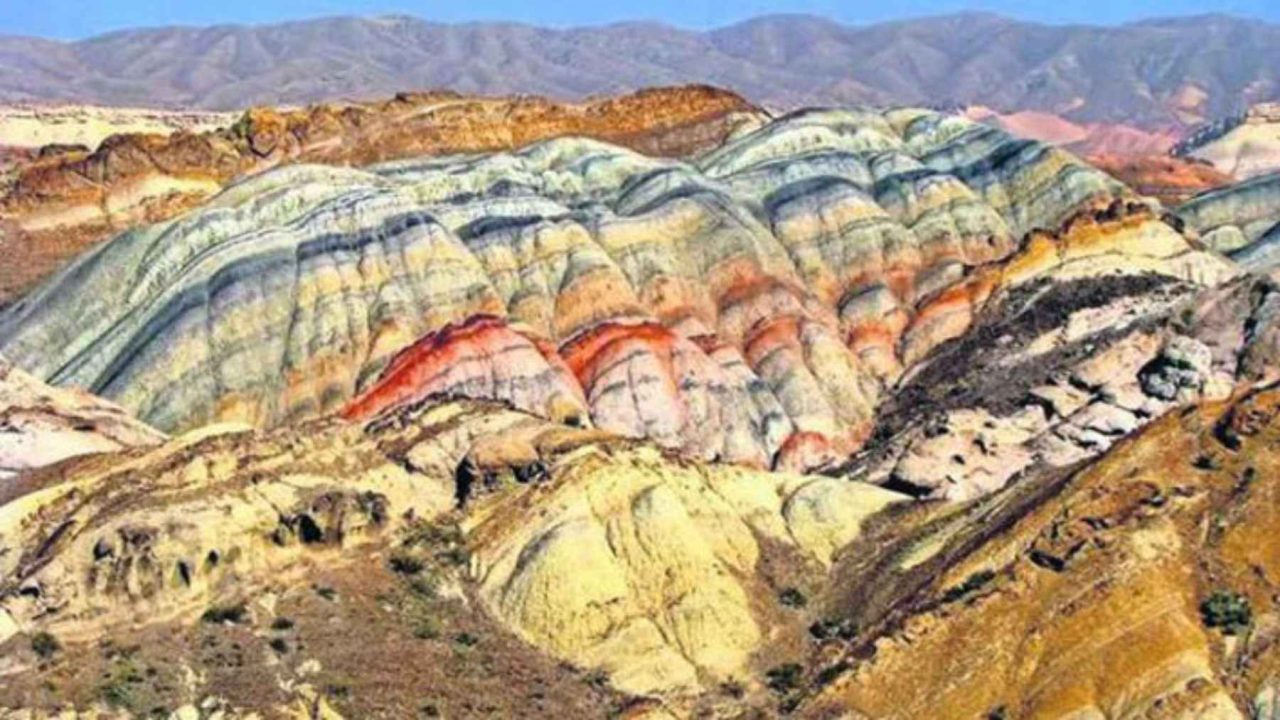
The research centers on a site called the Madygen Formation, located in southwest Kyrgyzstan. This fossil site is already well known among paleontologists for its exceptional preservation of ancient life from deep within the interior of the supercontinent Pangaea — the single landmass that existed before the continents separated into the shapes we know today.
What the international team found there was charcoalified gymnosperm wood — essentially, the fossilized remains of burned wood from ancient cone-bearing trees, preserved in lake sediments for hundreds of millions of years. The charcoals provide evidence that wildfire occurred near the Ladinian to Carnian transition of the Triassic period, approximately 237 million years ago.
The timing matters. Dinosaurs had only recently appeared on Earth at this point. The world was hotter, the continents were arranged differently, and the forests looked nothing like the ones we walk through today. Yet fire was already doing what fire does — burning through vegetation and leaving its mark in the sediment record.
The researchers describe the burned wood fragments as small, sometimes tiny. Measurable pieces in the study range from roughly 0.01 inches to about 0.8 inches long. Their small size, the researchers note, is actually part of what makes them scientifically useful — it helps piece together how the fire moved through the landscape and what conditions existed at the time.
Why the Madygen Formation Makes This Discovery Possible
Not every fossil site could produce a finding like this. The Madygen Formation is special because of how well it preserves organic material from the Triassic interior — an environment far from ancient coastlines, deep within a supercontinent that no longer exists.
Lake sediments are particularly good at trapping and preserving charcoal over geological time. When burned wood fragments wash or blow into a lake, they can sink and become buried under layers of sediment, sealed away from the chemical processes that would otherwise destroy them. Over millions of years, those fragments can become part of the rock record.
That is exactly what happened at Madygen, and it gave this research team a rare window into fire activity during a critical period of Earth’s biological history.
Key Facts From the Research at a Glance
| Detail | Specifics |
|---|---|
| Study location | Madygen Formation, southwest Kyrgyzstan |
| Age of evidence | Approximately 237 million years ago |
| Geological period | Triassic — Ladinian to Carnian transition |
| Type of evidence | Charcoalified gymnosperm wood preserved in lake sediments |
| Fragment size range | Roughly 0.01 inches to approximately 0.8 inches long |
| Research team | International team including Chilean scientists |
| Ancient context | Forest interior of the supercontinent Pangaea |
- The charcoal fragments come from gymnosperm wood — the ancient relatives of today’s conifers and other cone-bearing trees.
- The Madygen site is recognized for exceptional fossil preservation, making it one of the most valuable windows into Triassic interior ecosystems.
- The research adds to a growing body of evidence that wildfire is not a modern phenomenon but an ancient ecological force with deep roots in Earth’s history.
What This Means for How We Think About Fire and Forests
The broader message of this research, as the scientists frame it, is that fire should not be understood only as a catastrophe. It is an ancient ecological force — one whose effects on a landscape depend on climate conditions, the type of vegetation present, and how that landscape recovers over time.
That framing has real implications for how we manage forests and wildfires today. Modern fire suppression strategies have often treated every wildfire as something to be stopped immediately and completely. But if fire has been part of forest ecosystems for at least 237 million years, the relationship between forests and burning is far more complex than a simple cause-and-effect disaster story.
Researchers and ecologists have long argued that some fire regimes are natural and even necessary for certain ecosystems to remain healthy. This ancient evidence from Kyrgyzstan adds deep geological weight to that argument.
Where This Research Fits in the Bigger Picture
The Triassic period was already one of the most dramatic chapters in Earth’s history. It followed the largest mass extinction ever recorded, saw the rise of the first dinosaurs, and ended with another major extinction event. Understanding what forests and fire looked like during this period helps scientists reconstruct the full story of how life on Earth survived and adapted through extreme change.
Finding clear wildfire evidence at the Ladinian-Carnian boundary — a time of significant environmental transition — suggests that fire may have played a role in shaping which plant species survived and which did not, influencing the trajectory of forest evolution for millions of years that followed.
The fact that this evidence was identified by an international team including Chilean scientists also reflects how paleontological research is increasingly drawing on expertise from across the globe to interpret some of the planet’s most remote and ancient fossil records.
Frequently Asked Questions
Where was the ancient wildfire evidence discovered?
The evidence was found at the Madygen Formation in southwest Kyrgyzstan, a fossil site known for exceptional preservation of Triassic-era life.
How old is the wildfire evidence reported in this study?
The charcoal fragments date to approximately 237 million years ago, near the Ladinian to Carnian transition of the Triassic period.
What physical evidence confirms that wildfires occurred?
Researchers identified charcoalified gymnosperm wood — burned and fossilized wood fragments — preserved in ancient lake sediments, with measurable pieces ranging from roughly 0.01 inches to about 0.8 inches long.
Who conducted this research?
The study was carried out by an international team that includes Chilean scientists, though specific individual names were not detailed in the available source material.
What type of trees were burning 237 million years ago?
The charcoal comes from gymnosperm wood — ancient cone-bearing trees that are distant relatives of today’s conifers and similar plants.
What is the broader significance of finding ancient wildfire evidence?
The researchers argue that fire is not simply a modern disaster but an ancient ecological force, and that understanding its deep history can help inform how we think about forest management and fire’s natural role in ecosystems today.




Leave a Reply