
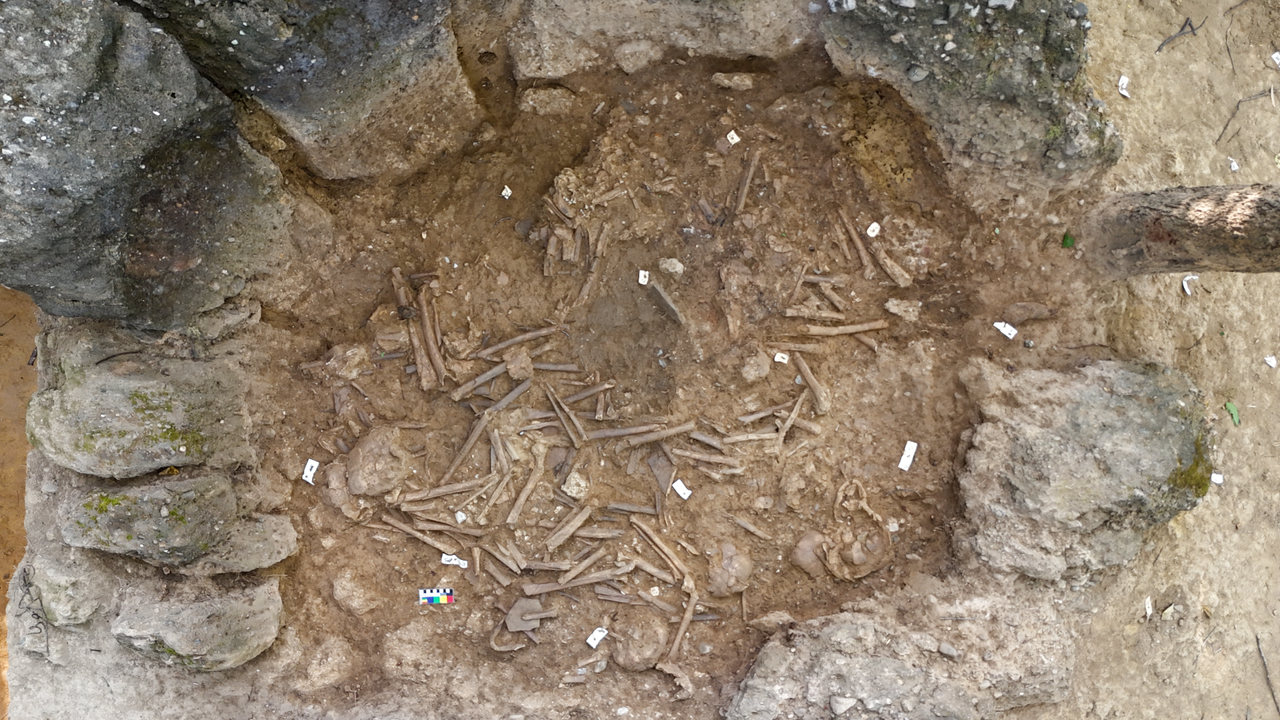
Inside a massive stone jar buried in the highlands of Laos, archaeologists have uncovered something that rewrites what we thought we knew about ancient burial practices in Southeast Asia — the skeletal remains of multiple generations of people, packed together over centuries, in what researchers are now calling a “death jar.”
The vessel, known as Jar 1, is approximately 1,200 years old and stands apart from the thousands of similar jars found across the region. What makes it truly remarkable is not just its size or age — it’s that the human remains inside were undisturbed. That’s a first. And it’s giving researchers their clearest window yet into a mortuary tradition that has puzzled archaeologists for decades.
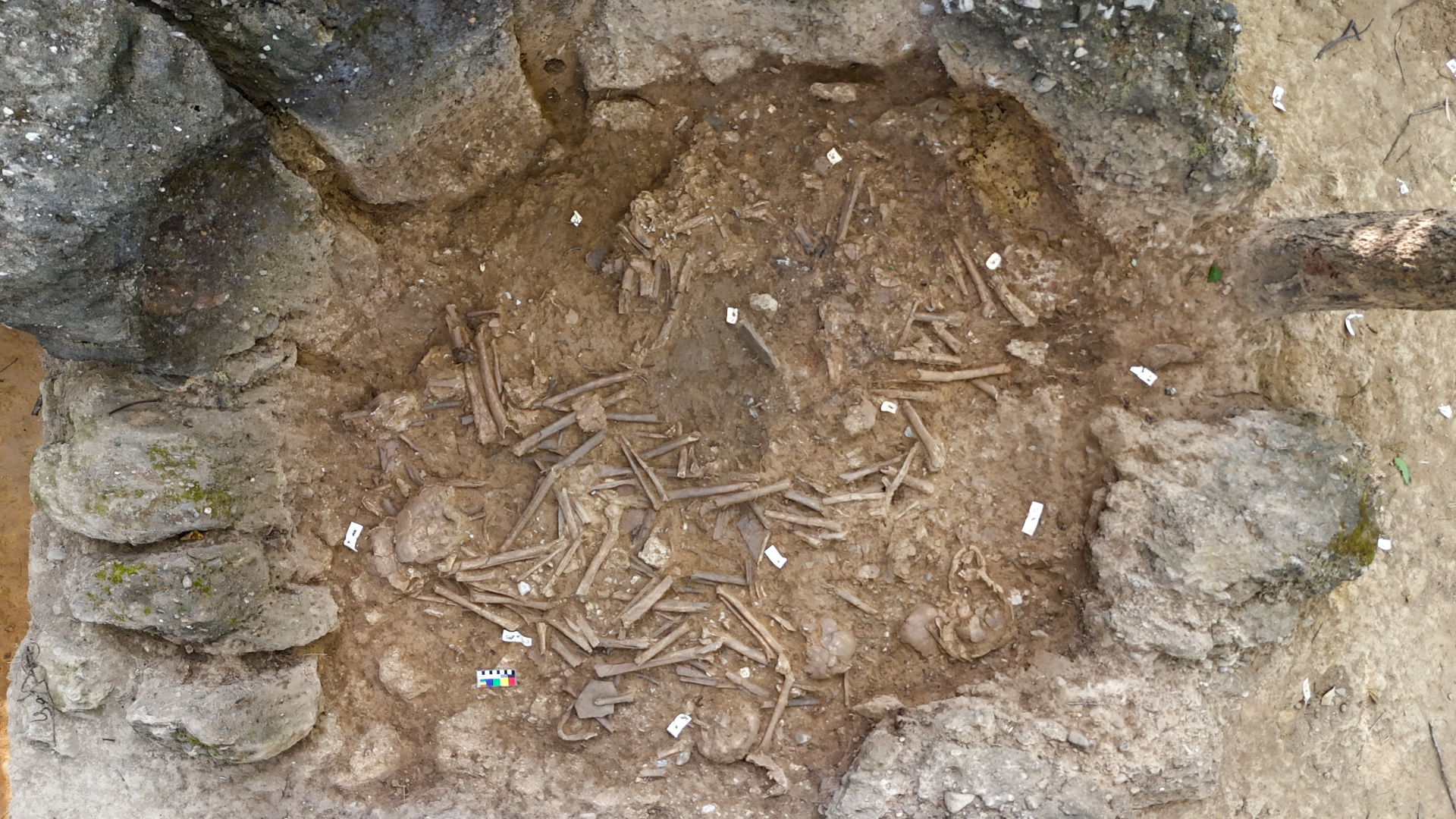
The findings were published on May 19 in the journal Antiquity, by a team led in part by archaeologist Nicholas Skopal of James Cook University in Australia.
What Is a “Death Jar” — and Why Does This One Matter?
Death jars are large stone or ceramic vessels found across Southeast Asia, and they’ve been turning up in archaeological digs for decades. Researchers long suspected they were connected to burial practices, but without intact, undisturbed contents, that remained educated guesswork.
Jar 1 changes that. It is the first death jar on record to contain undisturbed human remains, finally giving the scientific community direct physical evidence that these structures were used in the burial process.
What the researchers found inside wasn’t a single skeleton or a simple interment. The jar held the partly decomposed remains of people from multiple generations — suggesting it was used repeatedly over time, possibly as a kind of communal or family repository for the dead.
Rather than being a final resting place, the jar appears to have been one step in a longer, more complex mortuary process. The exact nature of that process is still being studied, but the implication is significant: ancient communities in this region may have had elaborate, multi-stage rituals for handling their dead.
What Makes Jar 1 Stand Apart From All Others
Nicholas Skopal described the jar in direct terms when speaking to Live Science. “It is among the largest jars currently known in Laos,” he said, adding that its physical characteristics alone set it apart from anything previously excavated in the region.
Here’s what distinguishes Jar 1 from the thousands of other death jars found across Southeast Asia:
- Unusually thick walls — far heavier construction than comparable jars
- A broad base — giving it exceptional stability and volume
- A bowl-like appearance — distinct from the more cylindrical shape of most known jars
- An extraordinary quantity of human remains — remains from multiple individuals spanning multiple generations
- Undisturbed contents — making it the first jar of its kind to offer intact archaeological evidence
As Skopal noted, these combined features mean that “Jar 1 currently stands apart from other jars excavated in Laos.” That’s not a minor distinction — it potentially makes this a reference point for all future research into the region’s ancient death jar tradition.
Key Facts at a Glance
| Detail | Information |
|---|---|
| Age of the jar | Approximately 1,200 years old |
| Location | Laos, Southeast Asia |
| Designation | Jar 1 |
| Key distinction | First death jar with undisturbed human remains on record |
| Contents | Remains of multiple generations of people |
| Lead researcher | Nicholas Skopal, James Cook University, Australia |
| Study published | May 19, in the journal Antiquity |
What This Tells Us About How Ancient People Treated Their Dead
The discovery carries real weight for our understanding of ancient Southeast Asian cultures. For years, researchers suspected that death jars played a role in burial — but suspicion and evidence are very different things in archaeology. Now, for the first time, the evidence is there.
The presence of remains from multiple generations inside a single jar suggests that death and burial were not simple, individual events in this culture. They may have been communal, ongoing, and deeply ritualized. Families — or communities — may have returned to the same jar over generations to add newly deceased members.
The idea that the jar represented just one step in a broader mortuary process is particularly striking. It raises questions about what came before and after: How were bodies prepared? Where did remains ultimately go once they left the jar? These are questions the research team is likely still working to answer.
What’s clear is that the people who created and used these jars had a sophisticated relationship with death — one that involved careful planning, physical infrastructure, and rituals that repeated across generations.
What Researchers Are Focused on Next
The excavation and publication of the Jar 1 findings open several lines of inquiry that archaeologists will likely pursue in the years ahead. The fact that thousands of death jars exist across Southeast Asia — and that most have not been excavated with the same care or have been previously disturbed — means there is still enormous potential for new discoveries.
Researchers will likely focus on:
- Determining the full scope of the mortuary process that the jar was part of
- Analyzing the human remains more closely to understand the ages, health, and relationships of those interred
- Comparing Jar 1’s construction and contents to other known jars across the region
- Investigating whether similar undisturbed jars exist at other sites in Laos or neighboring countries
The study published in Antiquity is a starting point, not an endpoint. With the first confirmed evidence of burial use now on the record, the field has a new foundation to build on.
Frequently Asked Questions
What is a death jar?
A death jar is a large stone or ceramic vessel found across Southeast Asia that researchers believe was used as part of ancient burial practices. Thousands have been discovered in the region over the decades.
Why is Jar 1 considered so significant?
Jar 1 is the first death jar on record to contain undisturbed human remains, providing direct physical evidence that these vessels were used in burials — something researchers had long suspected but could not confirm until now.
How old is the death jar found in Laos?
The jar is approximately 1,200 years old, placing its use roughly in the 9th century.
Who conducted the research?
The excavation team included archaeologist Nicholas Skopal of James Cook University in Australia. The findings were published on May 19 in the journal Antiquity.
Were the remains of just one person found inside the jar?
No. The jar contained the partly decomposed remains of multiple individuals spanning multiple generations, suggesting it was used repeatedly over time.
Was the jar the final resting place for those buried inside?
Researchers believe the jar may have represented just one step in a more complex mortuary process, rather than a permanent or final burial site. The full nature of that process has not yet been confirmed.



Leave a Reply