
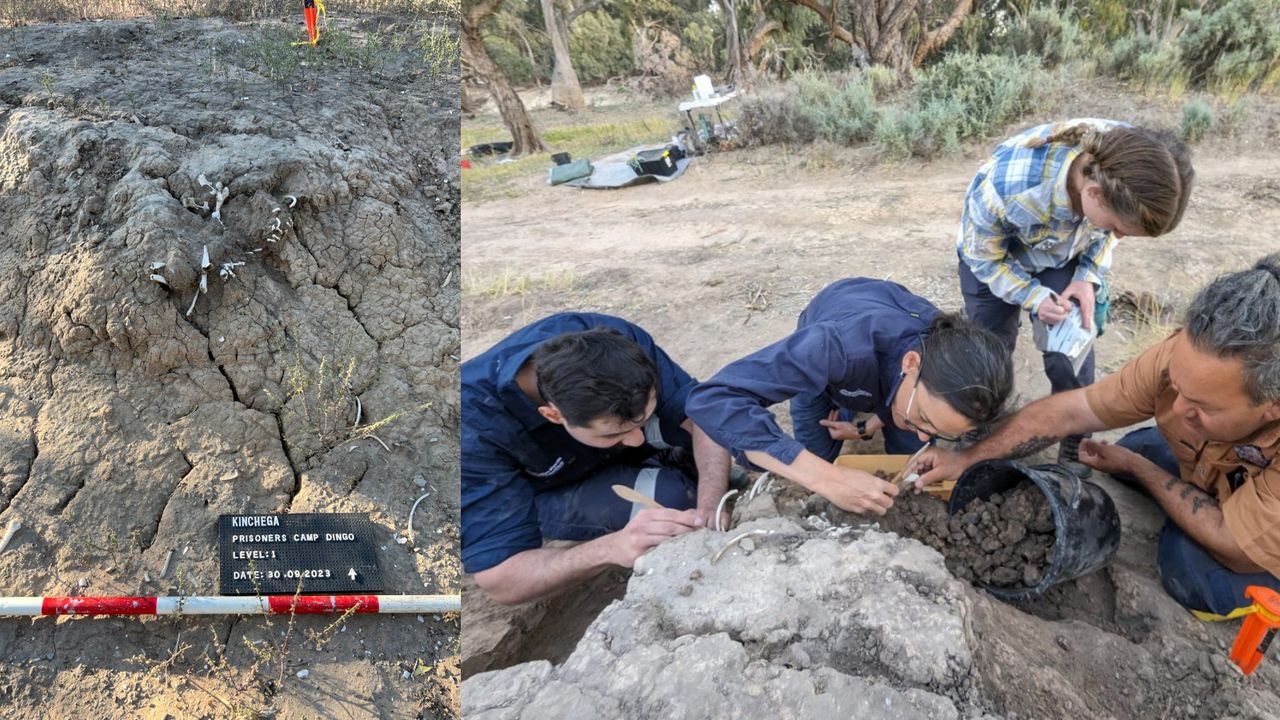
Somewhere along the Darling River in western New South Wales, a dingo was buried around 950 years ago — and for the next five centuries, people kept coming back to bring it food. That discovery, published in a new study, has given archaeologists something they have never found anywhere else on Earth: the first clear evidence of humans ritually “feeding” a grave.
The practice involved placing river mussels at the burial site, and radiocarbon dating confirmed it continued for roughly 500 years after the animal was first interred. The sheer duration of that care is what makes this find so striking. This wasn’t a one-time farewell gesture. It was a tradition passed down through generations.
The dingo belonged to ancestors of the Aboriginal Barkindji people, whose traditional lands surround the Darling River. What they left behind in the soil has now rewritten what we know about the ancient human relationship with dogs — and about how deeply some cultures honored the animals they lived alongside.
What Archaeologists Actually Found
The dingo was buried in a midden — a pile of discarded mussel shells — which was not an unusual resting place for these animals among Barkindji ancestors, according to the study. What set this burial apart was what came after it.
Radiocarbon dating of the shells found at the grave showed that mussels were being added to the site for approximately 500 years following the original burial. This wasn’t accumulation by chance. Researchers concluded the deposits were deliberate, ritualistic offerings — a form of feeding the deceased that has no confirmed parallel in the archaeological record anywhere in the world.
Study co-author Amy Way, a research archaeologist at the University of Sydney and the Australian Museum, described what the practice communicates about the people who carried it out.
“It’s a similar practice to what we see in many other cultures where descendants return to shrines and ancestral sites over the generations to bring gifts and offerings to the deceased,” Way told Live Science. “It tells us that this relationship is really strong and retained through time.”
The feeding ritual mirrors mourning practices seen in various human cultures — but this is the first time it has been documented archaeologically at an animal’s grave, let alone one spanning half a millennium.
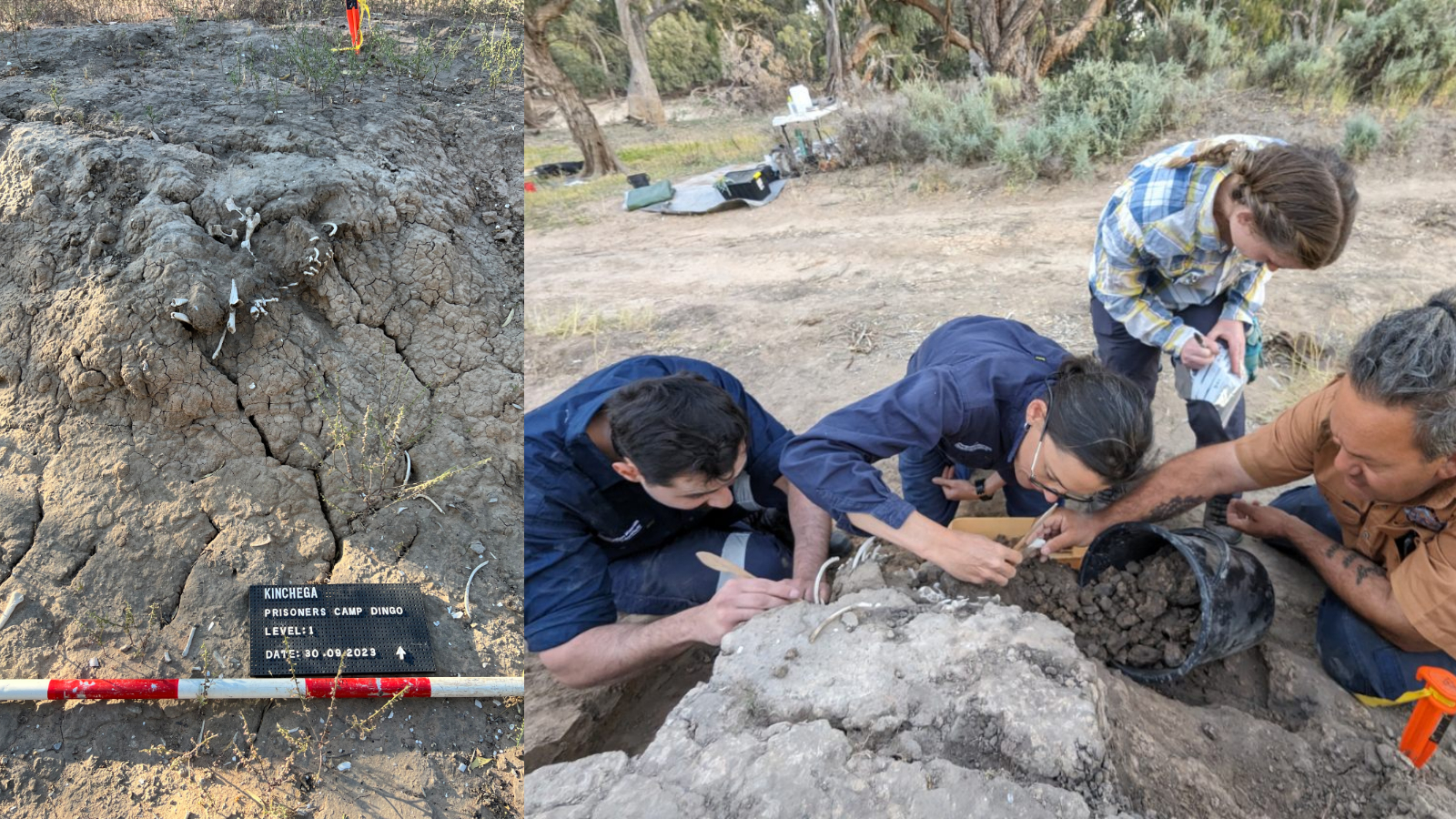
Why This Dingo Burial Changes What We Know
The bond between humans and dogs is ancient and well-documented across many civilizations. Pet burials have been found on multiple continents, and dogs have long been recognized as some of the earliest domesticated animals. But evidence of sustained, multigenerational ritual care at an animal’s grave is something archaeologists had not previously confirmed.
What makes this discovery particularly significant is what it reveals about the cultural and emotional weight that the Barkindji ancestors placed on their relationship with dingoes. Burying an animal with care is one thing. Returning to that grave — generation after generation, for five centuries — suggests the dingo held a place in the community’s memory and spiritual life that extended far beyond a single person’s grief.
Researchers say this kind of sustained reverence points to a deeply embedded cultural value, not a fleeting sentiment. The tradition had to be remembered, taught, and practiced across many human lifetimes for the archaeological record to look the way it does.
Key Facts About the Discovery at a Glance
| Detail | Finding |
|---|---|
| Age of the burial | Approximately 950 years old |
| Animal buried | A dingo (pet) |
| Location | Darling River region, western New South Wales, Australia |
| People connected to the site | Ancestors of the Aboriginal Barkindji people |
| Ritual offering used | River mussels |
| Duration of ritual feeding | Approximately 500 years after original burial |
| Archaeological significance | First clear evidence of grave-feeding ritual anywhere in the world |
| Dating method used | Radiocarbon dating |
- The dingo was buried in a midden — a mound of discarded mussel shells — consistent with burial practices among Barkindji ancestors for tamed dingoes.
- River mussels were the specific offering brought to the grave over the centuries.
- The study was co-authored by Amy Way of the University of Sydney and the Australian Museum.
- No comparable archaeological evidence of ritual grave-feeding at an animal burial has been confirmed anywhere else in the world.
What This Means for Our Understanding of Indigenous Australian Culture
This find adds a powerful new dimension to what is already known about the relationship between Aboriginal Australians and dingoes. Barkindji ancestors did not simply keep dingoes as working animals — they tamed them, buried them with apparent reverence, and maintained those graves across generations in a way that mirrored how many cultures have honored their human dead.
The ritual feeding practice described in the study draws a direct parallel to traditions seen globally, where descendants return to ancestral shrines to leave offerings for the deceased. Finding that same impulse expressed toward an animal, and sustained over 500 years, challenges assumptions about which relationships ancient peoples considered sacred enough to ritualize.
It also raises broader questions about how archaeologists interpret animal burials at other sites around the world. If grave-feeding rituals left clear evidence here, similar patterns at other sites may warrant a second look.
What Researchers Are Still Working to Understand
While the radiocarbon dating firmly establishes the timeline of the mussel deposits, questions remain about the specific cultural ceremonies that may have surrounded these offerings. The archaeological record shows that people returned and brought mussels — but the full context of those visits, including any accompanying practices or beliefs, is not something the physical evidence alone can answer.
Researchers note that the continuity of the practice across roughly 500 years implies it was embedded in community memory and passed down deliberately. Whether similar rituals were performed at other dingo burials in the region, or whether this site held a unique significance, remains an open area of investigation.
Frequently Asked Questions
How old is the dingo burial described in the study?
The dingo burial is approximately 950 years old, based on findings reported in the new study.
What makes this burial the “first” of its kind?
Radiocarbon dating of river mussels found at the site confirmed that humans were ritually “feeding” the grave for roughly 500 years after the burial — making it the first clear archaeological evidence of this practice at any grave, anywhere in the world.
Who were the people connected to this burial site?
The burial is linked to ancestors of the Aboriginal Barkindji people, whose traditional lands surround the Darling River in western New South Wales, Australia.
What offerings were left at the grave?
River mussels were the offerings placed at the burial site over the course of approximately 500 years following the dingo’s interment.
Who conducted the research?
The study was co-authored by Amy Way, a research archaeologist at the University of Sydney and the Australian Museum, among others.
Is ritual grave-feeding seen in other cultures?
According to researcher Amy Way, the practice parallels traditions seen in many cultures where descendants return to shrines and ancestral sites to bring gifts and offerings to the deceased — though this is the first confirmed archaeological evidence of it occurring at an animal’s grave.




Leave a Reply