
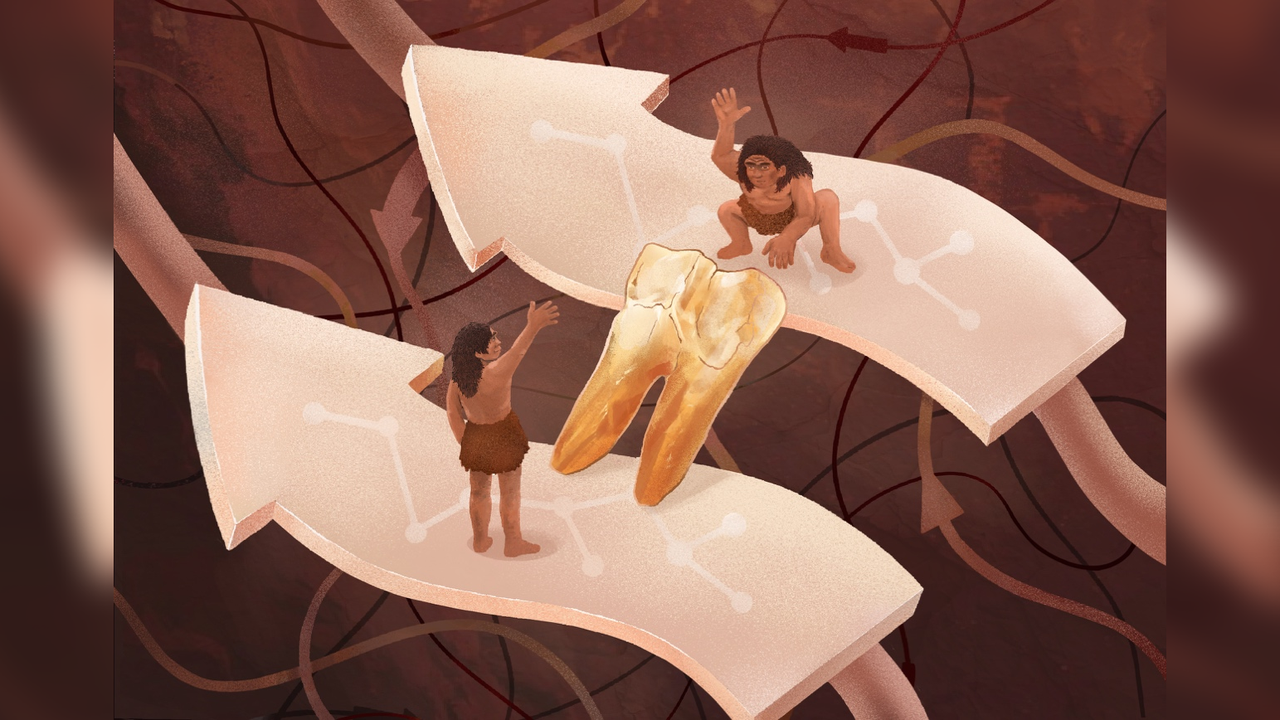
For the first time in history, scientists have successfully extracted and sequenced genetic material from Homo erectus fossils — and what they found is rewriting our understanding of human evolution. The results reveal deep genetic connections between this ancient human ancestor, modern humans, and the mysterious Denisovans, a group of archaic humans known largely from fragmentary remains.
The breakthrough, published Wednesday, May 13, in the journal Nature, centers on dental enamel recovered from six H. erectus skeletons unearthed at three separate sites in China. All six individuals lived approximately 400,000 years ago — and the proteins locked inside their teeth have now yielded the most detailed biological picture of H. erectus ever assembled.
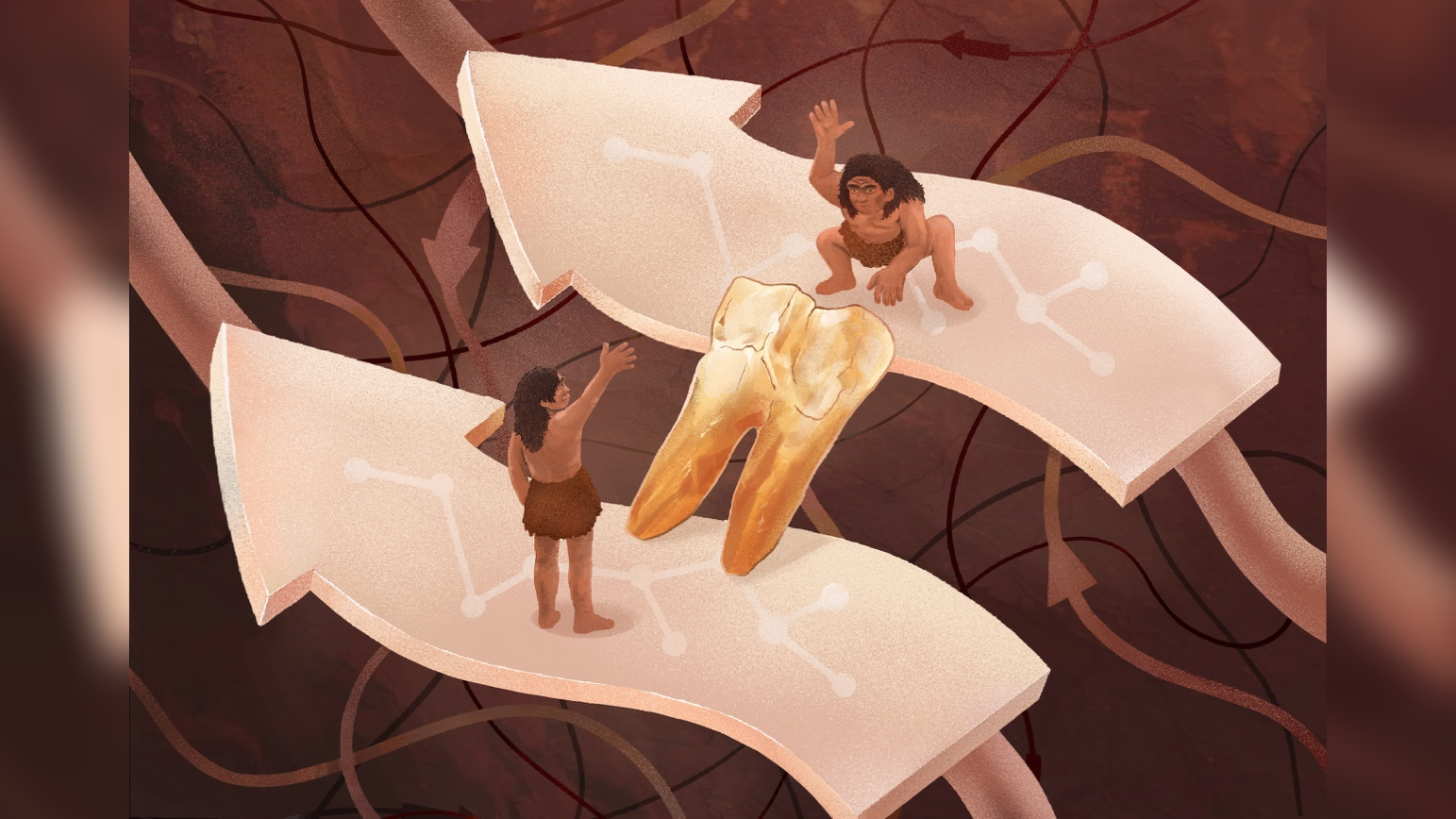
This is not just a story about old bones. It is a story about where we came from, who we may have shared the planet with, and whether the line between ancient and modern humans was ever as clear as we once believed.
Why Homo Erectus Matters to the Story of All of Us
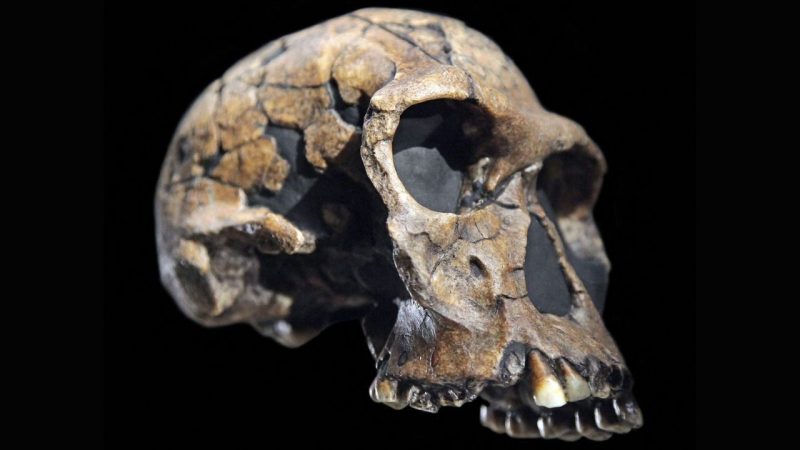
Homo erectus was, by almost any measure, a remarkable species. It was the earliest known human ancestor to leave Africa, beginning a migration into Europe, Asia, and Oceania around 1.8 million years ago. It possessed a relatively large brain, crafted complex stone tools, and proved adaptable enough to survive across wildly different environments on multiple continents.
Perhaps most strikingly, H. erectus was the longest-lasting human ancestor on record. The species persisted until approximately 108,000 years ago — meaning it was still alive long after Homo sapiens emerged in Africa around 300,000 years ago. That overlap has fueled decades of debate among paleoanthropologists: did these two species ever meet? Did they interbreed? Did one influence the other’s evolution?
Until now, researchers lacked the genetic evidence to answer those questions with any confidence. Ancient DNA degrades rapidly, and no usable DNA has ever been recovered from H. erectus remains. But proteins preserved in dental enamel can survive far longer — and that is exactly what this research team exploited.
How Scientists Cracked the Genetic Code of a 400,000-Year-Old Ancestor
The research team analyzed dental enamel from the six Chinese H. erectus specimens and extracted 11 different proteins from the material. From those proteins, they identified hundreds of positions of amino acids — the fundamental building blocks that proteins are made from.
This technique, known as paleoproteomics, allows scientists to reconstruct biological relationships even when DNA has long since broken down. By mapping the amino acid sequences and comparing them to known profiles from other ancient and modern human groups, the researchers were able to trace genetic lineages across hundreds of thousands of years.
The findings pointed to something unexpected: H. erectus shares deep genetic links not only with modern humans but also with the Denisovans — an enigmatic group of archaic humans whose existence was only confirmed through genetic analysis in the last 15 years.
Key Facts From the Study at a Glance
| Detail | Finding |
|---|---|
| Fossils analyzed | Six H. erectus skeletons from three sites in China |
| Age of specimens | Approximately 400,000 years old |
| Proteins extracted | 11 different proteins from dental enamel |
| Genetic links identified | Deep connections to modern humans and Denisovans |
| Study published | May 13, in the journal Nature |
| H. erectus emergence | ~1.8 million years ago (left Africa) |
| H. erectus extinction | ~108,000 years ago |
| H. sapiens emergence | ~300,000 years ago in Africa |
- The fossils were discovered at three different locations in China, suggesting the findings reflect a broader population rather than a single isolated group.
- Dental enamel was chosen because it is the hardest substance in the human body and preserves proteins far longer than bone or soft tissue.
- Hundreds of amino acid positions were identified, providing a detailed biochemical profile of the species.
- The genetic links to Denisovans add a new layer of complexity to an already tangled human family tree.
What This Means for Our Understanding of Human Evolution
The discovery that H. erectus shares deep genetic links with both modern humans and Denisovans raises profound questions. It suggests the boundaries between ancient human lineages were far more porous than previously thought — and that interbreeding between different groups of early humans may have been far more common than the fossil record alone could ever reveal.
For decades, paleoanthropologists debated whether H. erectus and H. sapiens overlapped long enough to interact. The new protein data does not definitively confirm interbreeding, but it does establish that these groups were genetically closer than many researchers had assumed. The connection to Denisovans is particularly striking given how little physical evidence of Denisovans exists — most of what we know about them comes from ancient DNA recovered from just a handful of specimens.
The research also demonstrates the growing power of paleoproteomics as a scientific tool. Where ancient DNA fails — and it fails often, especially in warm or humid climates like much of Asia — proteins can step in to fill the gap. That means fossils previously considered genetically inaccessible may now be candidates for this kind of analysis.
What Researchers Will Be Looking For Next
This study opens several new lines of inquiry that researchers are likely to pursue in the years ahead. The connection between H. erectus and Denisovans in particular invites deeper investigation — if the two groups share a meaningful genetic relationship, it could reshape how scientists map the branching points of the human family tree.
Paleoanthropologists will also be watching to see whether similar protein analysis can be applied to H. erectus specimens from other regions, particularly those from Africa and Southeast Asia, where the species also lived. Comparing those results to the Chinese specimens could reveal whether different populations of H. erectus diverged genetically over time — or remained surprisingly uniform across vast distances.
The question of whether H. erectus and H. sapiens interbred also remains open. The protein evidence establishes shared ancestry and genetic proximity, but confirming direct interbreeding would likely require recovering ancient DNA — something that has not yet been achieved for this species.
Frequently Asked Questions
What genetic material was sequenced from Homo erectus fossils?
Researchers extracted 11 different proteins from dental enamel and identified hundreds of amino acid positions — the building blocks of those proteins. No DNA was recovered; the analysis used paleoproteomics rather than traditional DNA sequencing.
How old are the Homo erectus fossils used in this study?
The six specimens analyzed are approximately 400,000 years old and were recovered from three locations in China.
What is the connection between Homo erectus and the Denisovans?
The protein analysis revealed deep genetic links between H. erectus and the Denisovans, though the exact nature of that relationship — including whether the two groups interbred — has not yet been fully confirmed by this study.
Did Homo erectus and modern humans live at the same time?
H. erectus disappeared around 108,000 years ago, while H. sapiens emerged approximately 300,000 years ago in Africa, meaning the two species overlapped for a significant period of time.
Why was dental enamel used instead of bone or DNA?
Dental enamel is the hardest substance in the human body and preserves proteins far longer than bone or soft tissue, making it ideal for recovering biological information from very ancient specimens.
Where was this research published?
The study was published on May 13 in the journal Nature.



Leave a Reply