
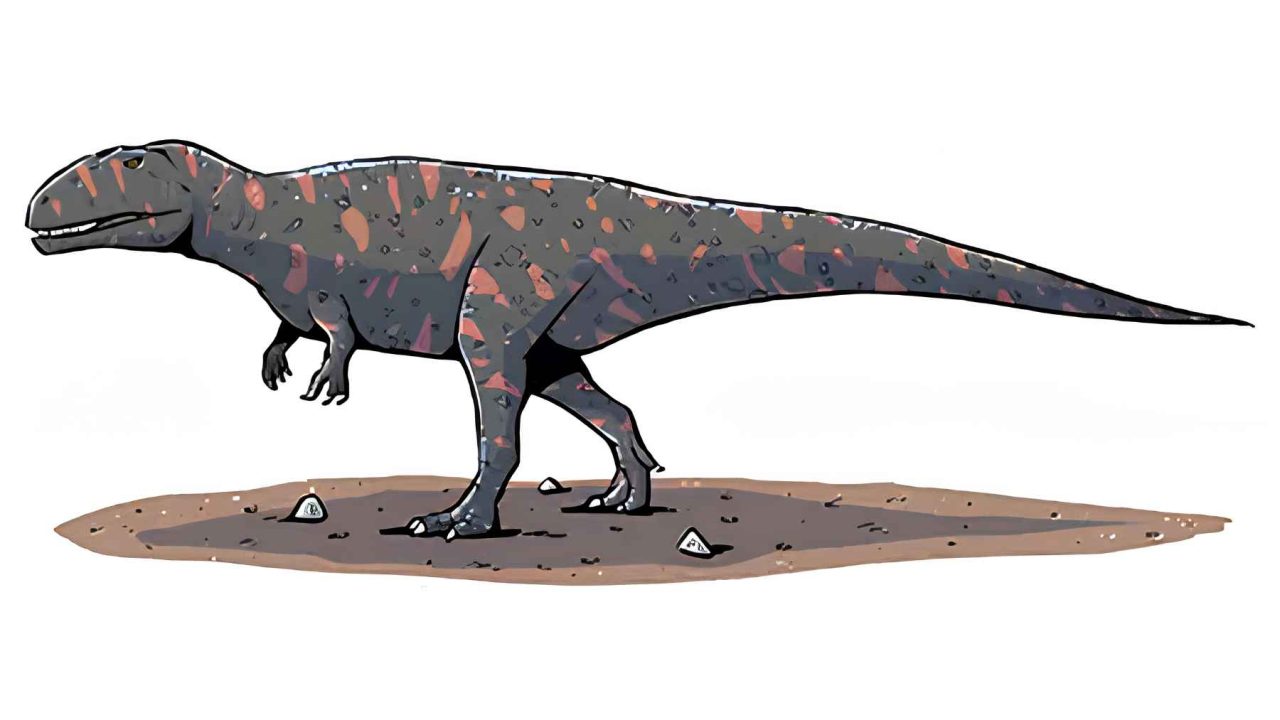
The dinosaurs you grew up watching stalk tourists through Jurassic Park may have looked nothing like the real animals. In fact, current science suggests the gap between Hollywood’s version and paleontological reality is wider — and far more interesting — than most people realize.
When Jurassic Park opened in 1993, it didn’t just entertain audiences. It quietly locked in a visual template for what dinosaurs were supposed to look like: scaly, reptilian, and built for cinematic menace. That image has proven surprisingly stubborn, even as the science behind it has shifted dramatically over the past three decades.
Now, renewed attention from both online creators and researchers is forcing a fresh look at what these animals may have actually been — and the answers are genuinely stranger than the movies ever suggested.
Why Jurassic Park’s Dinosaurs Are Increasingly Out of Date
The film’s version of the Velociraptor is perhaps the most famous example of the gap between cinema and science. The animals depicted were large, scaly, and terrifyingly intelligent. The actual Velociraptor was roughly turkey-sized and almost certainly feathered — closer in appearance to a bird than to the sleek predator that learned to open doors.
The Tyrannosaurus rex has faced similar scrutiny. Evidence has mounted over the years that large theropods may have had lips covering their teeth rather than the permanently exposed, grinning jaws that became iconic on screen. Small details like these change the entire feel of the animal.
A YouTube creator has recently drawn attention to just how large this gap has grown by remaking famous scenes from Jurassic Park using updated, evidence-based designs. The results have resonated widely because they illustrate the point visually: these animals look genuinely different when you apply what researchers now know.
What the Science Actually Says About Dinosaur Appearance
The challenge with reconstructing dinosaurs is fundamental. Fossils preserve bones well, but soft tissue — feathers, skin texture, lips, coloration, and fat deposits — rarely survives. Researchers work carefully from the evidence they do have, but significant gaps remain.
This means that even the most rigorously researched reconstruction is, at some level, an informed estimate. “Scientifically accurate” dinosaur art is not a final answer, because the science itself keeps evolving as new fossils are discovered and new analytical tools are applied.
One significant recent contribution came from a 2025 study led by researchers Andrew Rowe and Emily Rayfield, published in the journal Current Biology. The study compared the skull mechanics of giant meat-eating dinosaurs and found something that directly challenges the movie assumption that all large predators were built the same way.
Different lineages of giant carnivorous dinosaurs, the research found, reached enormous size through different feeding strategies — not through a single universal design. Two animals could look superficially similar at a glance while being built for fundamentally different ways of killing and eating prey.
The Key Findings That Change How We See These Animals
| Dinosaur / Feature | Jurassic Park Version | Current Scientific Understanding |
|---|---|---|
| Velociraptor size | Human-sized, imposing predator | Roughly turkey-sized |
| Velociraptor appearance | Scaly, reptilian skin | Almost certainly feathered |
| T. rex jaw appearance | Permanently exposed teeth | Likely had lips covering teeth |
| Large predator body plan | One universal “big predator” template | Different lineages used different feeding strategies (Rowe & Rayfield, 2025) |
| Soft tissue features | Smooth, lizard-like | Rarely preserved; carefully estimated from bone evidence |
- Feathers, skin texture, and lips rarely preserve in the fossil record, making visual reconstruction inherently uncertain
- The 2025 Rowe and Rayfield study was published in Current Biology and focused on skull mechanics across giant carnivore lineages
- The finding that different giant predators used different feeding strategies undermines the idea of a single “movie monster” body plan
- Online creators are now using updated scientific reconstructions to visually remake iconic film scenes, making the contrast tangible for general audiences
Why This Matters Beyond the Movies
It would be easy to treat this as a niche argument between film fans and paleontologists, but the implications are broader. The way popular culture represents extinct animals shapes public understanding of science itself — including how evolution works, how ecosystems function, and how researchers actually build knowledge from incomplete evidence.
When the dominant image of a Velociraptor is wrong by decades of research, it signals something about how slowly scientific updates travel from journals to public awareness. The 1993 film did more to define public perception of these animals than any textbook published since.
The updated reconstructions — fuzzier, stranger, and in some cases less immediately threatening — also raise a genuinely interesting question: are the real animals actually more fascinating than the Hollywood versions? Many paleontologists would argue yes. An animal that sits somewhere between a bird and a crocodile in its biology, covered in proto-feathers and hunting with strategies we’re still working to understand, is arguably more remarkable than a scaled-up lizard with good timing.
What Comes Next for Dinosaur Science and Pop Culture
Research like the Rowe and Rayfield skull mechanics study represents a continuing effort to understand dinosaur diversity in finer detail — not just what they looked like, but how they actually lived and competed. Each new fossil discovery or analytical technique adds another layer to reconstructions that will keep evolving.
Whether popular culture catches up is a different question. Film franchises have commercial incentives to maintain recognizable designs, and audiences have decades of expectations built in. But the gap between what science knows and what movies show is now wide enough that it’s becoming harder to ignore — especially when side-by-side comparisons are circulating widely online.
The real dinosaurs were not the monsters cinema gave us. They were something stranger, more varied, and in many ways more interesting. That story is still being written, one fossil at a time.
Frequently Asked Questions
Were the Velociraptors in Jurassic Park scientifically accurate?
No. The actual Velociraptor was roughly turkey-sized and almost certainly feathered, quite different from the large, scaly predators shown in the film.
What did the 2025 Rowe and Rayfield study find?
The study, published in Current Biology, found that different lineages of giant carnivorous dinosaurs reached large size using different feeding strategies, rather than sharing a single universal body plan.
Did T. rex really have lips?
Current evidence suggests large theropods like T. rex likely had lips covering their teeth, rather than the permanently exposed jaws shown in most films and older reconstructions.
Why is it so hard to know what dinosaurs really looked like?
Soft tissue features like feathers, skin texture, and lips rarely preserve in the fossil record, so researchers must make careful estimates from skeletal evidence and comparisons with living relatives.
Is “scientifically accurate” dinosaur art now settled?
No. As
Are filmmakers likely to update their dinosaur designs based on new science?
This has not been confirmed by any franchise. Commercial incentives and audience expectations make rapid updates unlikely, though the gap between film depictions and current science continues to grow.



Leave a Reply