
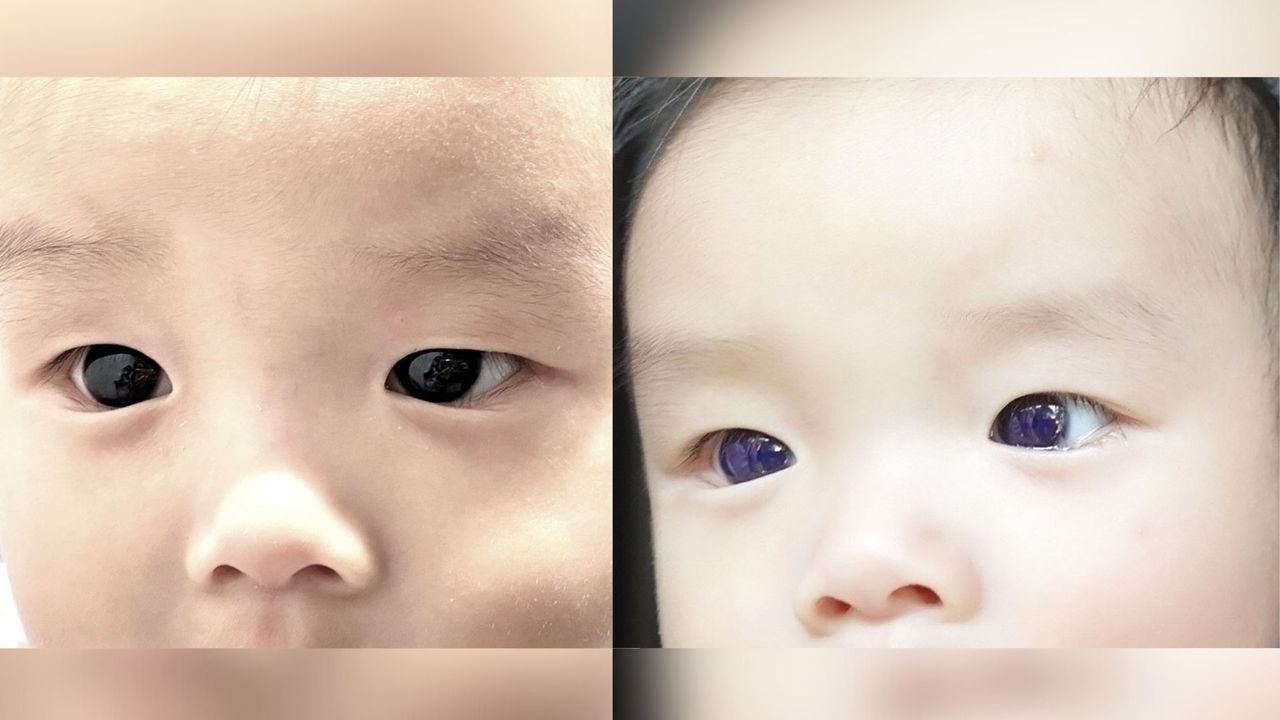
A 6-month-old boy’s eyes turned bluish-purple within 18 hours of starting a COVID-19 antiviral medication — a startling side effect that left doctors and his mother searching for answers. The case, which unfolded at a hospital in Bangkok, is one of the most visually striking drug reactions documented in recent medical literature.
The infant had been brought in with a fever and cough. A positive COVID-19 test led doctors to prescribe favipiravir, a broad-spectrum antiviral used against a range of RNA viruses. What happened next was something his mother noticed before any doctor did: his normally dark brown eyes had changed color entirely.
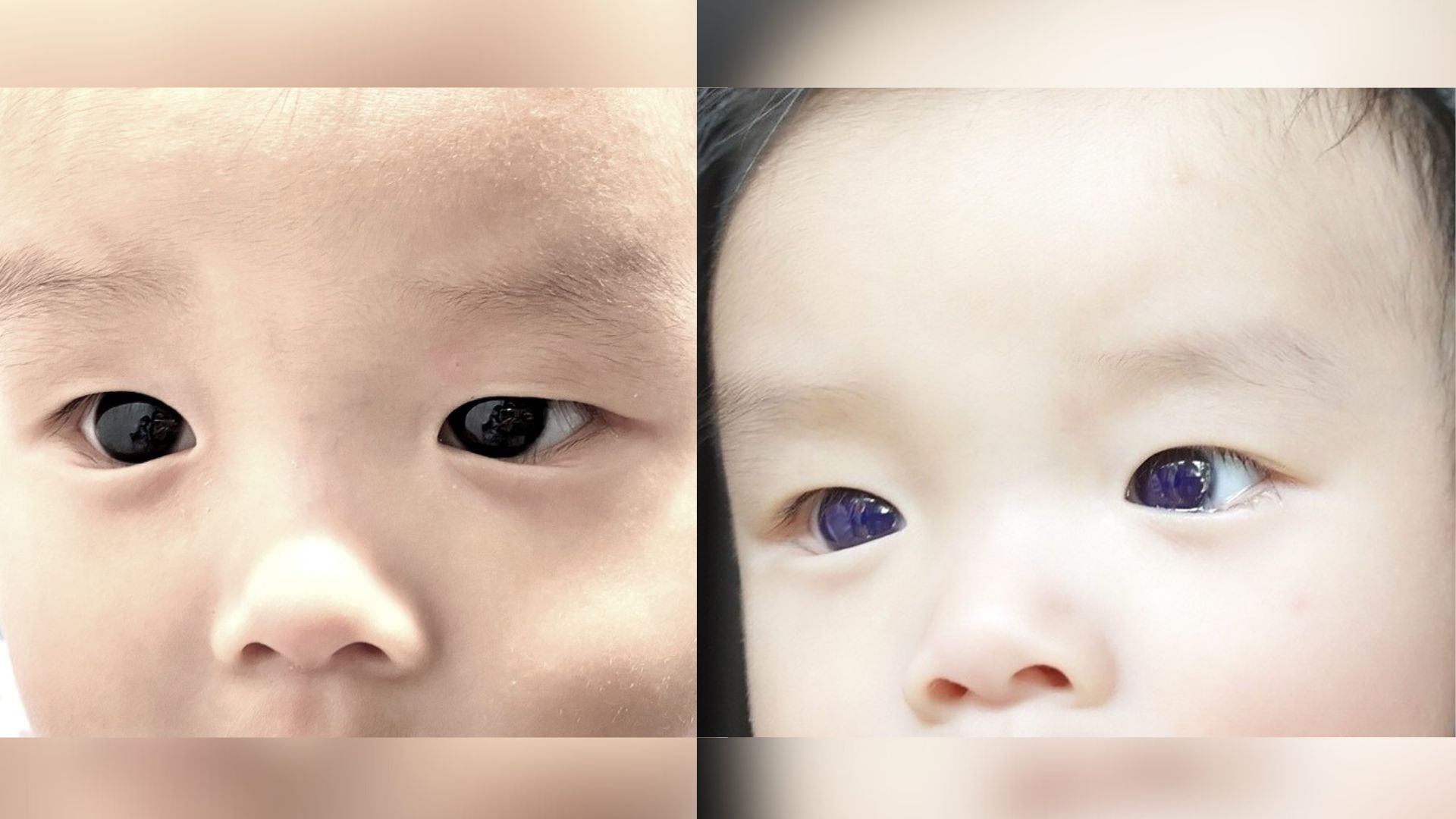
It sounds almost impossible. But the photographs from the case report confirm it — the boy’s corneas appeared distinctly blue in sunlight, a transformation that had no parallel in his skin, nails, or hair.
What Is Favipiravir and Why Was It Given to an Infant?
Favipiravir is an oral antiviral medication originally developed to treat influenza. Because it works against RNA viruses broadly — a category that includes influenza, Ebola, certain enteroviruses, and coronaviruses — doctors began using it as a COVID-19 treatment starting in 2020.
The drug works by interfering with viral replication, and it has been deployed in several countries, particularly in Asia, as part of COVID-19 treatment protocols. For a 6-month-old with a confirmed infection, the medical team in Bangkok determined it was an appropriate course of treatment.
The plan was straightforward: favipiravir tablets on the first day of hospitalization, followed by the drug in liquid form for the next four days. It was a standard approach. The eye color change was not.
What the Doctors Found — and What They Suspected
About 18 hours after the infant began treatment, his mother noticed his eyes looked different. When doctors examined him, the change was unmistakable. His corneas — the transparent, dome-shaped surfaces covering the front of each eye — appeared blue when viewed in sunlight.
Crucially, the discoloration was limited entirely to the eyes. There was no visible change to the boy’s skin, nails, or hair. That detail mattered. It helped narrow down what was happening and where.
Doctors suspected favipiravir was the cause of the blue tint. The timing was consistent — the change appeared within hours of the first dose — and no other obvious explanation was present. According to the published case report, the diagnosis pointed directly at the medication.
Key Facts From the Case at a Glance
| Detail | Information |
|---|---|
| Patient | 6-month-old boy |
| Location | Bangkok, Thailand |
| Initial symptoms | Fever and cough for 24 hours |
| Diagnosis | COVID-19 (positive test) |
| Medication prescribed | Favipiravir (oral antiviral) |
| Treatment plan | Tablets on day one, liquid form for four days |
| Time until eye change noticed | Approximately 18 hours after treatment began |
| Eye color change | Dark brown to bluish-purple |
| Other discoloration noted | None (skin, nails, hair unaffected) |
| Suspected cause | Favipiravir |
- The corneas appeared blue specifically in sunlight
- The change was first noticed by the boy’s mother, not medical staff
- Favipiravir targets RNA viruses including influenza, Ebola, enteroviruses, and coronaviruses
- The drug has been used as a COVID-19 treatment since 2020
Why This Case Matters Beyond One Child’s Eyes
For most parents, a medication turning their infant’s eyes a different color would be terrifying. But from a medical standpoint, this case is significant for a different reason: it documents a side effect that, if real and reproducible, needs to be understood before favipiravir is more widely used in young children.
Favipiravir has been prescribed across multiple countries during the COVID-19 pandemic, and its use has expanded as health systems looked for accessible oral antiviral options. Infants represent a particularly vulnerable population — they cannot describe symptoms, and unusual physical changes may be the only visible signal that something unexpected is happening.
The fact that the discoloration appeared only in the corneas — and not in the skin or nails — suggests the mechanism may be specific to how the drug or its metabolites interact with ocular tissue. Medical observers have noted that understanding this interaction could be important for monitoring patients on the drug, particularly the very young.
Cases like this one also underscore why post-market surveillance and individual case reports still matter in medicine. Rare reactions don’t always show up in clinical trials. Sometimes it takes a mother noticing that her son’s eyes have changed color overnight.
What Happens After a Reaction Like This
When a drug reaction is suspected, the standard medical approach is to assess whether the benefit of continuing the medication outweighs the risk of the observed effect. In this case, the suspected link between favipiravir and the eye color change prompted doctors to document and report their findings.
The case was published in a peer-reviewed journal, which is how unusual or rare drug reactions enter the broader medical record. From there, other clinicians treating patients with favipiravir — particularly infants and young children — can be alert to the possibility of similar changes.
Whether the discoloration reversed after the medication was stopped, and what the boy’s long-term outcome was, has not been confirmed in the available source material. Those details remain part of the fuller case report.
What is clear is that this case has added something new to the medical conversation around favipiravir: a documented, visually dramatic side effect that no one had reason to expect before it happened to one infant in Bangkok.
Frequently Asked Questions
What caused the infant’s eyes to turn blue?
Doctors suspected that favipiravir, the antiviral medication prescribed to treat the boy’s COVID-19 infection, was responsible for the bluish-purple discoloration of his corneas.
What is favipiravir used for?
Favipiravir is a broad-spectrum oral antiviral used to treat RNA viruses including influenza, Ebola, and certain enteroviruses. It has also been used to treat COVID-19 since 2020.
Did the discoloration affect the rest of the baby’s body?
No. According to the case report, there was no visible discoloration of the boy’s skin, nails, or hair — only his corneas appeared affected.
How quickly did the eye color change appear?
The boy’s mother noticed the change approximately 18 hours after he began favipiravir treatment.
Did the boy’s eyes return to their normal color?
This has not been confirmed in the available source material. The full outcome is detailed in the original case report.
Is favipiravir commonly given to infants?
Favipiravir has been used to treat COVID-19 in various countries since 2020, but its use in very young infants is less common and this case highlights the importance of monitoring for unexpected side effects in that age group.




Leave a Reply