
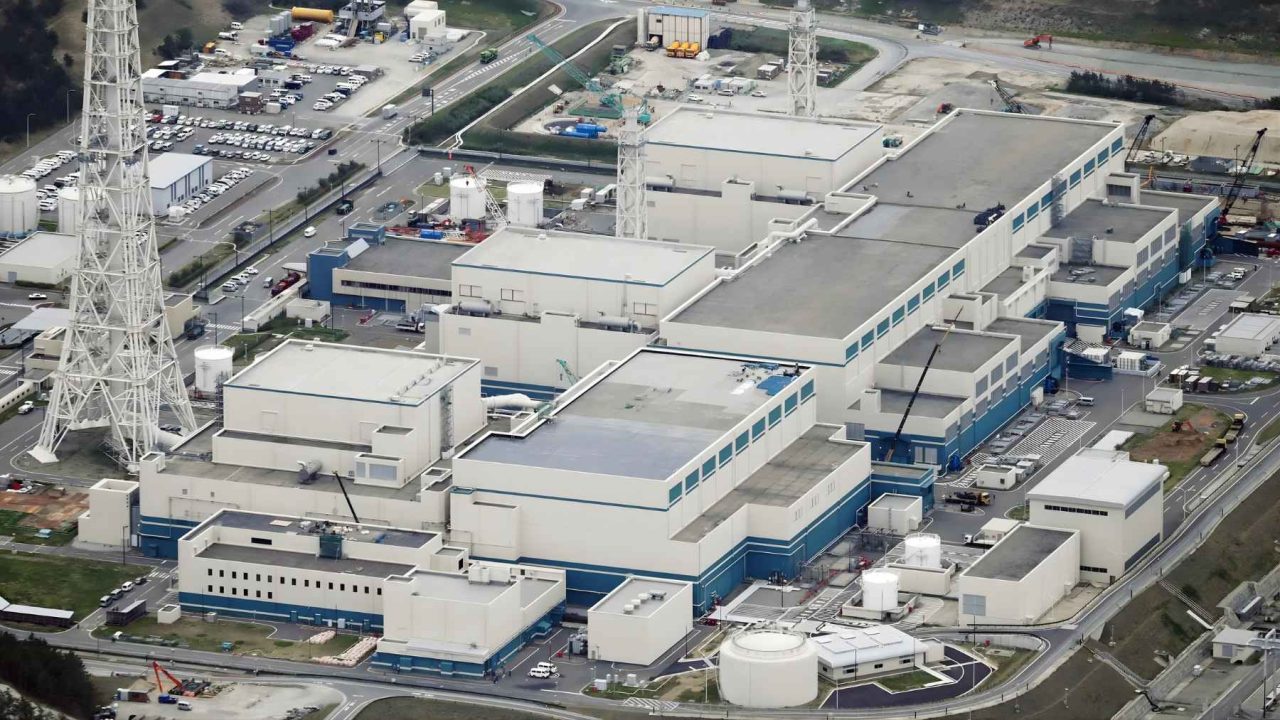
After nearly 14 years of silence, the world’s largest nuclear reactor is warming back up — and the bumpy road to restart is forcing a harder conversation about whether nuclear power is truly ready to anchor the world’s energy future.
Japan’s Kashiwazaki-Kariwa nuclear power station, home to Reactor No. 6, has been largely dormant since the country overhauled its nuclear regulations following the 2011 Fukushima disaster. Now, operators are working to bring that reactor back online — but not without early complications that have put the entire effort under a microscope.
The question isn’t just whether this one reactor can run again. It’s what this restart tells us about the broader global push to revive nuclear energy at a moment when the world is desperately searching for reliable, low-carbon power.
What Happened During the First Restart Attempt
The first attempt to restart Reactor No. 6 didn’t go as planned. In January 2026, just hours into the initial start-up sequence, an alarm sounded and operators were forced to halt the process almost immediately.
The alarm was triggered during a routine step in the start-up sequence — the withdrawal of control rods. These are neutron-absorbing devices that play a critical role in managing the chain reaction inside a reactor. When any warning tied to them sounds, operators treat it as a mandatory stop-and-check situation. There is no other option.
Plant superintendent Takeyuki Inagaki addressed the situation on February 6, 2026, acknowledging the uncertainty ahead while trying to project measured confidence.
“The probability of the same thing happening is low, but the possibility of small problems cannot be ruled out.”
That kind of carefully worded caution from a plant official speaks volumes. Restarting a reactor that has sat largely idle for over a decade is not a simple process. As the source of this reporting put it, it’s less like flipping a switch and more like waking up a huge, complicated machine and methodically checking every moving part as it slowly warms up.
Why Kashiwazaki-Kariwa Matters So Much
This isn’t just any nuclear facility. Kashiwazaki-Kariwa is the world’s largest nuclear power station by installed capacity, which makes every development there significant far beyond Japan’s borders.
The site went quiet in the aftermath of the 2011 Fukushima accident, when Japan tightened its nuclear safety regulations and effectively shut down nuclear power generation across the country. For nearly 14 years, the plant has sat as a symbol of both nuclear energy’s promise and its political and safety complications.
Bringing it back online now — in 2026 — places it squarely in the middle of a global debate about whether nuclear power should play a central role in the clean energy transition, or whether its risks and operational challenges make it too unreliable to count on.
| Key Detail | Information |
|---|---|
| Reactor | Reactor No. 6, Kashiwazaki-Kariwa Nuclear Power Station |
| Location | Japan |
| Status | Returning to service after restart complications |
| Years offline | Approximately 14 years (since post-Fukushima shutdowns) |
| Initial restart attempt | January 2026 — halted after alarm during control rod withdrawal |
| Plant superintendent | Takeyuki Inagaki |
| Official statement date | February 6, 2026 |
The Uncomfortable Question This Raises About Global Energy
Here’s the tension that makes this story matter to people far outside Japan: the world is counting on nuclear power more than it has in decades. Governments across Europe, Asia, and North America are pointing to nuclear as a key tool for cutting carbon emissions while keeping the lights on. New reactor projects are being greenlit. Old ones are being considered for life extensions.
But the Kashiwazaki-Kariwa restart is a real-world demonstration of how complicated that bet actually is.
A reactor that’s been offline for 14 years doesn’t just switch back on. Equipment ages. Procedures need relearning. Safety systems require thorough testing under real operating conditions — not just on paper. The January alarm, while ultimately treated as a manageable setback, is a reminder that even routine start-up steps can surface unexpected issues.
Supporters of nuclear energy argue that these are exactly the kinds of careful, methodical checks that make nuclear power safe — that operators stopping at the first sign of an anomaly is the system working as intended. Critics counter that the difficulty of restarting even a well-documented facility raises questions about how quickly nuclear capacity can realistically be scaled up to meet climate targets.
Both sides have a point. And that’s precisely what makes this restart so worth watching.
What the Restart Process Actually Looks Like
For anyone who assumed bringing a major reactor back online was a straightforward technical exercise, the Kashiwazaki-Kariwa experience offers a more grounded picture.
- The start-up sequence involves multiple stages, each with its own safety checks and monitoring requirements.
- Control rod withdrawal — the step that triggered the January alarm — is a carefully managed part of initiating the chain reaction.
- Any alarm during this process requires operators to pause and investigate before proceeding.
- Plant officials have acknowledged that small problems during the restart process cannot be entirely ruled out.
- The facility has been largely offline for nearly 14 years, adding complexity to what might otherwise be a more routine operation.
None of this means the restart will fail. But it does mean that the timeline and the process are less predictable than proponents of a rapid nuclear revival sometimes suggest.
What Happens Next at Kashiwazaki-Kariwa
Reactor No. 6 is now back in the process of coming online following the January setback. Plant superintendent Inagaki has indicated that while the probability of the same alarm recurring is low, operators are not promising a perfectly smooth path forward.
The coming weeks and months will be telling. If the restart proceeds without further significant interruptions, it will be a meaningful signal that Japan’s nuclear sector can successfully recover from its post-Fukushima pause — and potentially a model for other countries looking to revive dormant capacity.
If new complications emerge, it will add weight to the argument that nuclear energy’s role in the near-term energy transition is more limited than its advocates hope.
Either way, the world’s largest nuclear reactor coming back to life is a story with stakes that extend well beyond one power plant in Japan.
Frequently Asked Questions
What is the Kashiwazaki-Kariwa nuclear power station?
It is Japan’s nuclear power facility that houses the world’s largest nuclear reactor by installed capacity, and it has been largely offline for nearly 14 years following the 2011 Fukushima accident.
Why was the first restart attempt halted in January 2026?
An alarm sounded during the control rod withdrawal phase of the start-up sequence, prompting operators to stop and investigate as a standard safety precaution.
What are control rods and why do they matter?
Control rods are neutron-absorbing devices used to manage the chain reaction inside a nuclear reactor. Any alarm connected to them during start-up is treated as a mandatory stop-and-check event.
What did the plant superintendent say about future risks?
Takeyuki Inagaki stated on February 6, 2026, that while the probability of the same alarm recurring is low, the possibility of small problems during the restart process cannot be ruled out.
Why did Japan shut down its nuclear plants in the first place?
Japan tightened nuclear safety regulations and shut down nuclear power generation following the 2011 Fukushima disaster, leaving facilities like Kashiwazaki-Kariwa largely dormant for close to 14 years.</p



Leave a Reply