
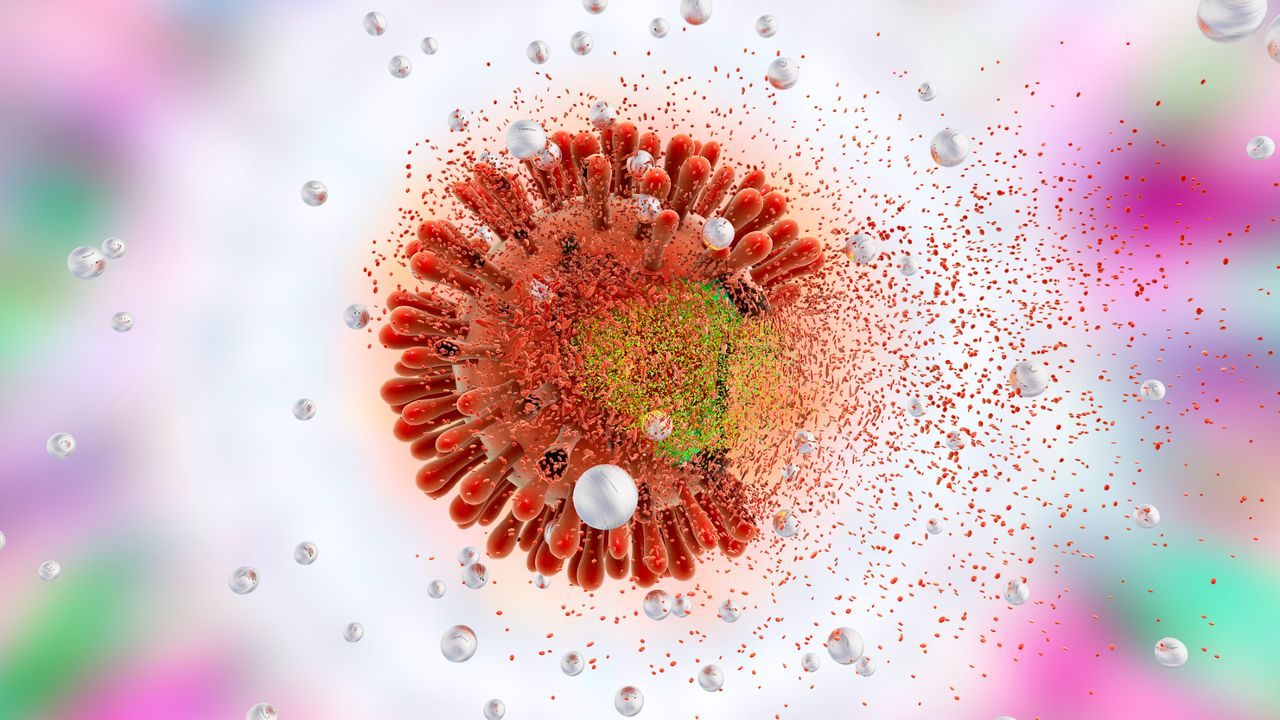
A man known as the “Oslo patient” is now considered likely cured of HIV — five years after receiving a stem cell transplant from his own brother, who carries a rare genetic mutation that makes him naturally resistant to the virus. He was 58 years old when he received the transplant. He is 63 now, and still in remission.
This case stands apart from previous HIV remission stories in a significant way. While a small number of other patients have achieved long-term HIV remission through similar transplant procedures, those cases all involved donated cells from unrelated donors. The Oslo patient is the first known case where the stem cells came from a sibling — making this a landmark moment in HIV research.
For the roughly 39 million people living with HIV worldwide, cases like this one represent something that once seemed impossible: the realistic prospect of a permanent cure, not just lifelong medication management.
How a Brother’s Rare Genetics May Have Ended an HIV Infection
The transplant procedure works by essentially replacing a patient’s immune system with donor stem cells. When those donor cells carry a genetic resistance to HIV, the rebuilt immune system inherits that resistance — and the virus loses its foothold in the body.
In the Oslo patient’s case, his brother carries a genetic mutation that confers natural resistance to HIV. This mutation, known in scientific literature as the CCR5-delta32 mutation, disables a protein on the surface of immune cells that HIV typically uses to enter and infect them. People who inherit two copies of this mutation — one from each parent — are considered highly resistant or effectively immune to the most common strain of HIV.
By transplanting stem cells from his resistant brother, doctors effectively gave the Oslo patient a new immune system — one that HIV could not easily attack. Five years later, the patient remains in remission, with no detectable sign of active infection.
The fact that the donor was a family member rather than an unrelated stranger is medically significant. Matched sibling donors often result in better transplant outcomes due to greater genetic compatibility, which can reduce complications like graft-versus-host disease, a serious condition where donor cells attack the recipient’s body.
What Makes This Case Different From Previous HIV Cures
The Oslo patient is not the first person to achieve long-term HIV remission through a stem cell transplant. A small number of other cases have been documented over the past decade and a half, and each one has added a new layer to what researchers understand about this approach.
| Case | Donor Type | Genetic Resistance | Outcome |
|---|---|---|---|
| Previous documented cases | Unrelated donors | CCR5-delta32 mutation | Long-term HIV remission |
| Oslo patient | Brother (sibling donor) | CCR5-delta32 mutation | Likely cured — still in remission at age 63 |
What separates the Oslo patient’s case is the source of the donated cells. Prior cases relied on matched unrelated donors who happened to carry the resistance mutation — a rare combination that is extremely difficult to find. A sibling who naturally carries the same mutation is an even rarer match, but when it exists, it opens a potentially more accessible and compatible treatment pathway.
Why This Matters Beyond One Patient’s Story
It would be easy to read this as a feel-good story about one lucky man and his genetically gifted brother. But the implications stretch much further than that.
HIV still affects tens of millions of people globally. While antiretroviral therapy (ART) has transformed HIV from a near-certain death sentence into a manageable chronic condition for those with access to treatment, it is not a cure. Patients must take medication every day for life. If they stop, the virus rebounds. The financial, physical, and psychological burden of that reality is enormous.
Stem cell transplants are not a realistic mass-market cure — the procedure is complex, expensive, and carries serious risks. It is typically only considered for HIV patients who also need a transplant to treat blood cancers or other serious conditions. But each documented remission case helps researchers understand why and how the virus can be permanently eliminated, bringing the field closer to therapies that might one day work more broadly.
The Oslo patient’s case also reinforces the scientific focus on the CCR5 pathway as a viable target. Gene-editing technologies like CRISPR are already being explored as a way to replicate this natural resistance artificially — potentially offering a path to cure that does not require a perfectly matched sibling donor.
What Researchers Are Watching For Next
The Oslo patient is described as “likely cured” rather than definitively cured — a careful distinction that reflects how cautiously the scientific community approaches these cases. HIV is notorious for hiding in dormant reservoirs within the body, and researchers continue to monitor patients over long periods before making any absolute declarations.
Five years in remission without antiretroviral therapy is a compelling milestone. The longer that period extends without viral rebound, the stronger the case that the transplant achieved what it appears to have achieved.
The broader research community will be watching to see whether this sibling-donor approach can be replicated in other patients, and whether the outcomes differ meaningfully from those seen in unrelated-donor cases. Each new data point adds to a growing body of evidence that HIV — once thought to be a permanent, incurable condition — may, under specific circumstances, be eliminated from the human body entirely.
That is not a small thing. For millions of people living with the virus, it is the kind of news that changes what feels possible.
Frequently Asked Questions
Who is the Oslo patient?
The Oslo patient is a 63-year-old man who received a stem cell transplant at age 58 from his brother and is now considered likely cured of HIV. His identity has not been publicly disclosed beyond this case designation.
How did the stem cell transplant cure HIV?
The patient’s brother carries a genetic mutation that makes his immune cells resistant to HIV. By transplanting stem cells from his brother, the patient’s immune system was rebuilt with cells that HIV cannot easily infect.
Is this the first time someone has been cured of HIV this way?
No — a small number of other patients have previously achieved long-term HIV remission through stem cell transplants. However, those cases involved unrelated donors, making the Oslo patient’s sibling-donor case distinct.
Can this treatment be used for all HIV patients?
Not currently. Stem cell transplants are complex, high-risk procedures typically reserved for patients who also need treatment for serious blood conditions. They are not considered a general-use cure at this time.
Why do doctors say “likely cured” rather than definitively cured?
HIV can hide in dormant reservoirs in the body, so researchers monitor patients over extended periods before making absolute claims. Five years in remission is a strong indicator, but caution remains the scientific standard.
What is the CCR5-delta32 mutation?
It is a genetic mutation that disables a protein HIV uses to enter immune cells. People who inherit two copies of this mutation are considered naturally resistant to the most common strain of HIV.




Leave a Reply