
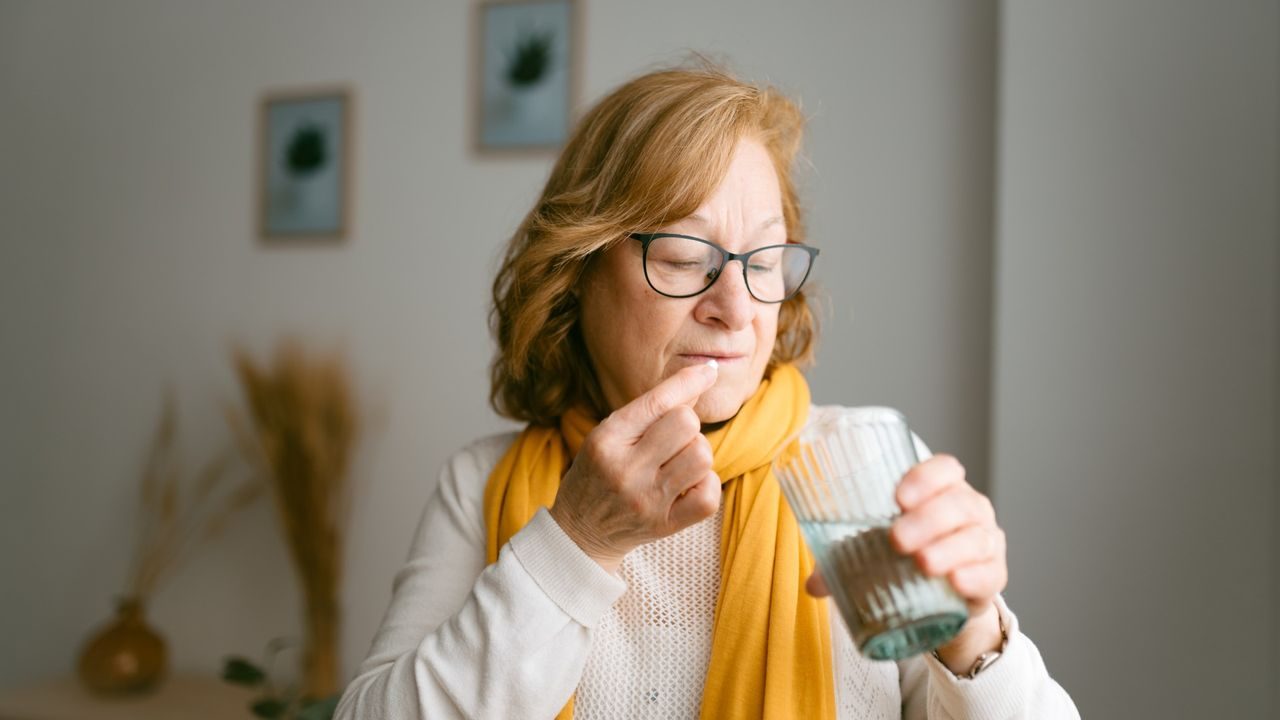
Six years into the COVID-19 era, scientists may have finally cracked one of the most stubborn problems in pandemic medicine: stopping the virus from taking hold in your body before it makes you sick.
A new antiviral pill called ensitrelvir has been shown in late-stage clinical trials to significantly reduce the risk of developing COVID-19 after exposure to someone who has the disease. The results, published Wednesday, May 13, in The New England Journal of Medicine, mark a meaningful turning point — and regulators in the United States and Europe are now weighing whether to approve it.
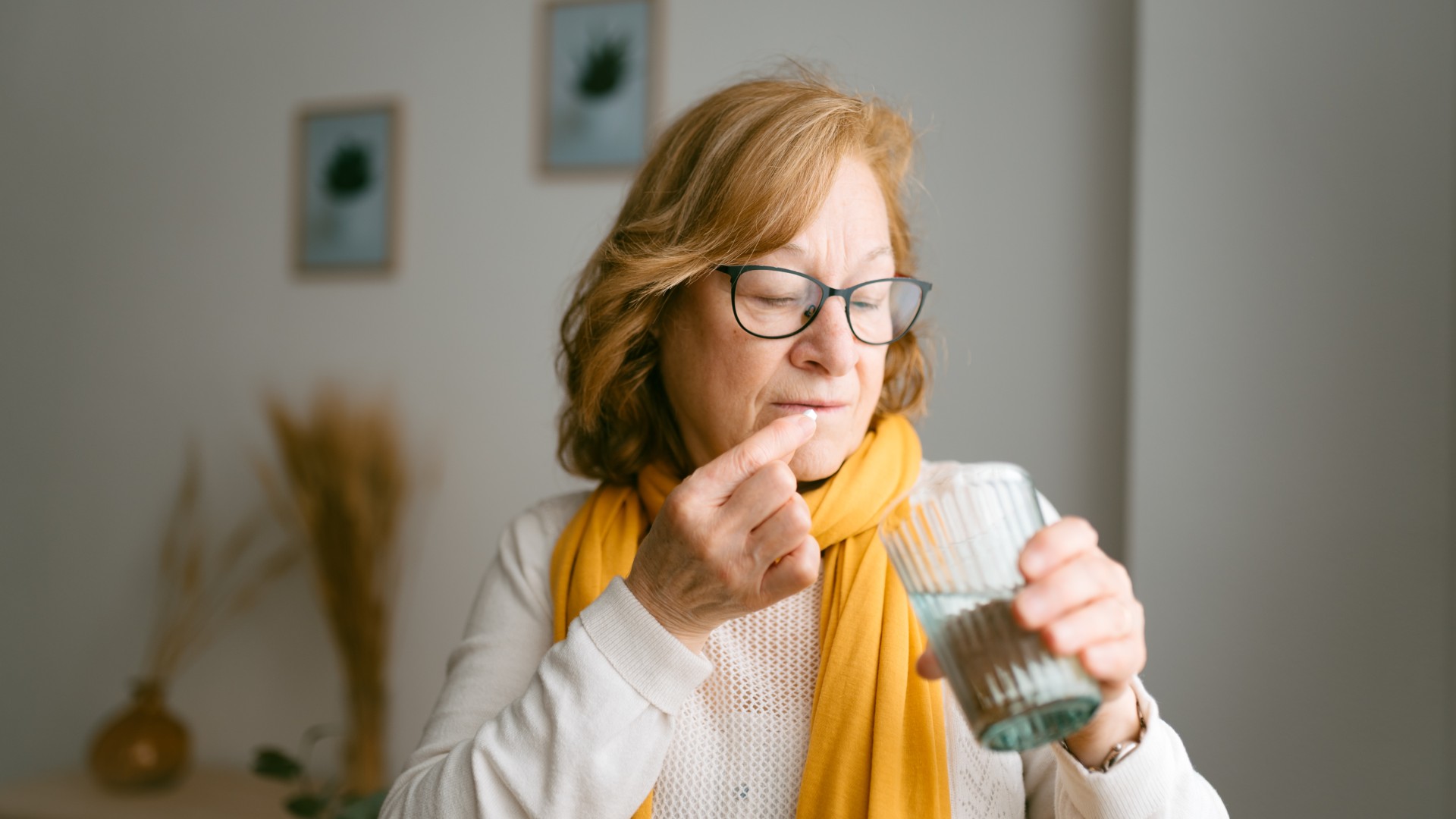
Until now, no drug had proven capable of doing this. Treatments like Pfizer’s Paxlovid could reduce how sick you get once infected, but nothing had demonstrated the ability to block the disease from developing after exposure. Ensitrelvir appears to change that equation entirely.
What Ensitrelvir Actually Does — and Why It’s Different
Most COVID antivirals work after the fact. You test positive, you feel symptoms coming on, and then you take the drug to reduce severity and viral load. That’s the model Paxlovid follows, and it has saved lives. But it doesn’t help the person who just spent three hours in a car with a family member who tested positive the next morning.
Ensitrelvir is designed to work in exactly that window — the critical hours and days after exposure, before the virus has fully established itself. The drug was originally developed by Japanese pharmaceutical company Shionogi and was first approved in Japan as a treatment for active COVID-19 infections. Now, following these trial results, Japan has also approved it as a preventative treatment.
The distinction matters enormously for the millions of people who live with elderly relatives, immunocompromised family members, or who work in healthcare settings where exposure is a near-constant risk.
Who Stands to Benefit Most From This Drug
SARS-CoV-2 is no longer triggering global lockdowns, but it hasn’t gone away — and for large segments of the population, it remains a serious threat. The people most likely to benefit from a post-exposure preventative treatment include:
- Older adults, who remain at elevated risk of severe illness and death from COVID-19
- People with compromised immune systems, including those on immunosuppressive medications or living with chronic illness
- Healthcare workers and others with frequent, unavoidable exposure to infected individuals
- Household contacts of people who test positive, who often have no good options beyond isolation and waiting
For these groups, the current toolkit is limited. Vaccines help reduce severity but don’t guarantee protection from infection, especially as new variants emerge. A pill that could be taken after known exposure — and actually prevent the disease from developing — would fill a gap that has existed since the pandemic began.
Where Ensitrelvir Stands Right Now
The trial results published in The New England Journal of Medicine represent a late-stage study, which is the most rigorous phase of clinical testing before a drug reaches wide use. The findings showed the drug significantly reduced the risk of developing COVID-19 following exposure to an infected person.
| Drug | Developer | Primary Use | Post-Exposure Prevention? | Current Approval Status |
|---|---|---|---|---|
| Ensitrelvir | Shionogi (Japan) | Treatment + Prevention | Yes — shown effective in trials | Approved in Japan; under review in U.S. and Europe |
| Paxlovid | Pfizer (U.S.) | Treatment only | No proven post-exposure efficacy | Approved in U.S., Europe, and elsewhere |
Regulators in the United States and Europe are currently considering whether to approve ensitrelvir, according to reporting by Nature. No approval timeline has been confirmed for either region.
Why This Took So Long
It’s worth pausing on how significant this moment is. COVID-19 first made headlines more than six years ago. In the time since, the scientific community developed vaccines at record speed, created multiple effective treatments, and mapped the virus in extraordinary detail. And yet, a simple pill that could stop the disease before it starts — the kind of thing you might expect to exist by now — didn’t.
Post-exposure prophylaxis, as it’s known in medicine, exists for other diseases. HIV, for example, has PEP — a course of antivirals that can prevent infection if taken quickly after exposure. Developing an equivalent for COVID-19 has proven far more difficult, partly because of how rapidly SARS-CoV-2 replicates once it enters the body.
Ensitrelvir’s success in late-stage trials suggests the science has finally caught up with the need. Whether regulators outside Japan agree — and how quickly they move — will determine how soon this option reaches the people who need it most.
What Happens Next for U.S. and European Patients
The publication of these trial results in a major peer-reviewed journal is a key step in the regulatory process. Regulators in both the U.S. and Europe are now actively reviewing the data, according to Nature. A formal approval decision in either region has not yet been announced.
In Japan, the dual approval — for both treatment and prevention — sets a precedent that other regulatory bodies will likely study closely. If the U.S. Food and Drug Administration or European Medicines Agency moves toward approval, ensitrelvir could eventually become a standard recommendation for high-risk individuals following a known COVID exposure.
For now, the drug is not available outside Japan. People in the U.S. and Europe who are exposed to COVID-19 and fall into high-risk categories should continue to follow current public health guidance and consult their physicians about available options.
Frequently Asked Questions
What is ensitrelvir?
Ensitrelvir is an antiviral pill developed by Japanese pharmaceutical company Shionogi. It was originally approved in Japan to treat COVID-19 and has now also been approved there as a preventative treatment following exposure.
Has ensitrelvir been approved in the United States?
Not yet. Regulators in the U.S. and Europe are currently reviewing the trial data, but no approval has been confirmed as of the time of publication.
How is ensitrelvir different from Paxlovid?
Paxlovid is designed to reduce disease severity after an infection has already begun. Ensitrelvir has been shown to prevent COVID-19 from developing after exposure to the virus — something no other antiviral pill has demonstrated.
Who would benefit most from this drug?
Based on the source reporting, the drug is particularly relevant for older adults, people with weakened immune systems, and others at elevated risk of serious illness from COVID-19.
Where were the trial results published?
The late-stage trial results were published on May 13 in The New England Journal of Medicine.
Can I get ensitrelvir outside Japan right now?
The drug is currently approved in Japan only. Availability in the U.S. and Europe depends on regulatory decisions that have not yet been made.



Leave a Reply