
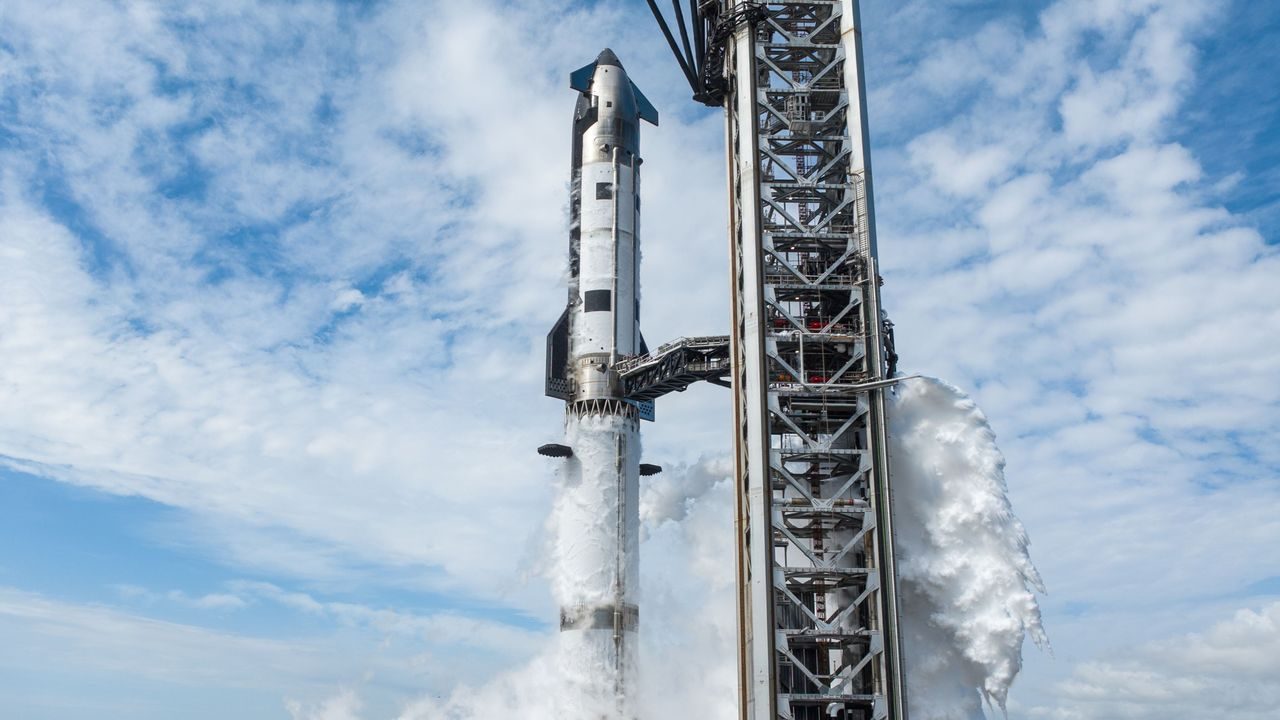
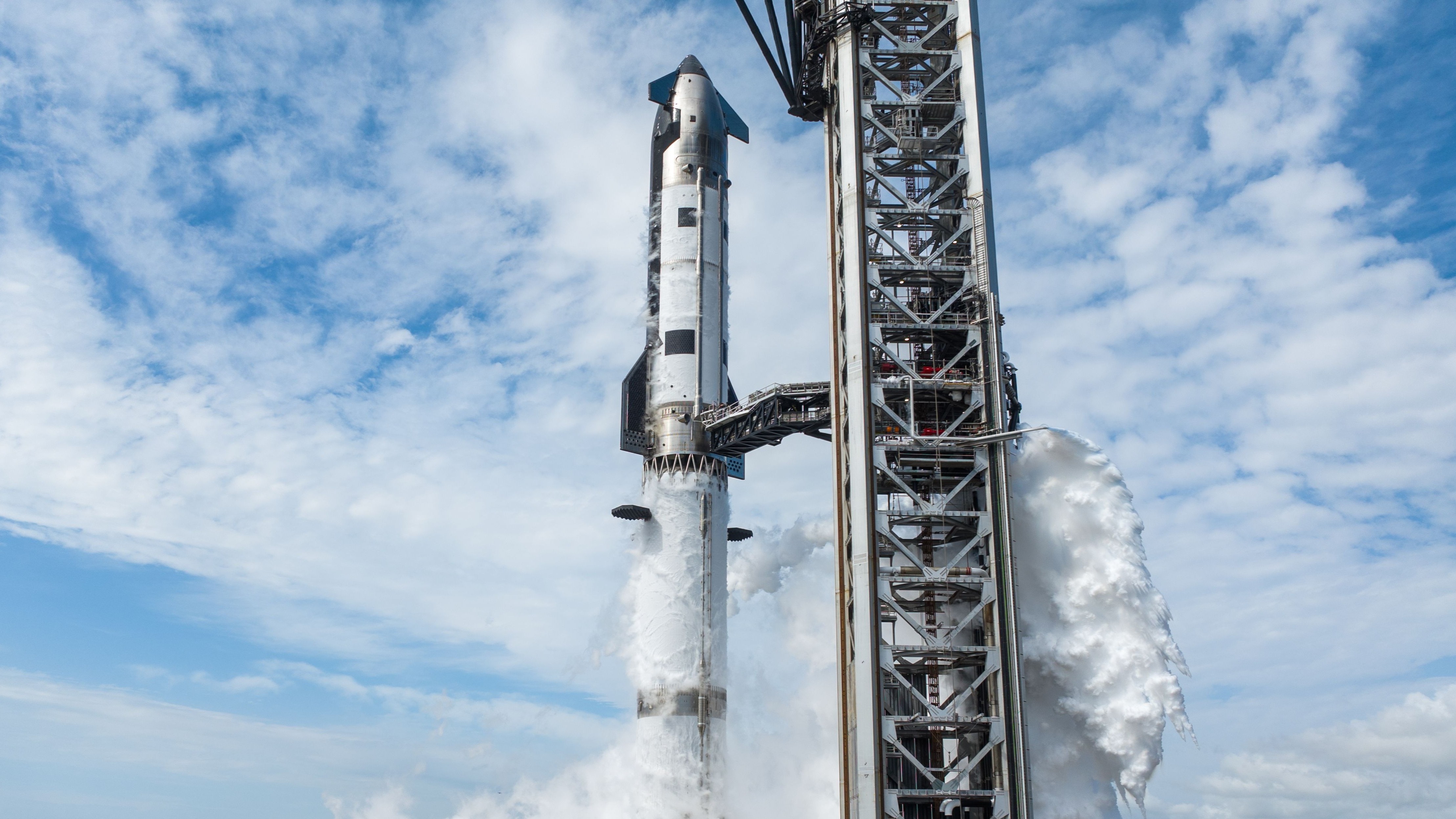
At 407 feet tall — roughly the height of a 40-story skyscraper — SpaceX’s next-generation Starship is the largest and most powerful rocket ever constructed. And as early as Tuesday, May 19, it could leave Earth for the first time.
SpaceX announced that Starship V3’s maiden voyage, designated the 12th test flight in the overall Starship program, is scheduled to lift off from Starbase in southern Texas with a launch window opening at 6:30 p.m. EDT. The company has a well-established tradition of promising “excitement guaranteed” in place of a conventional “liftoff confirmed” — a tongue-in-cheek acknowledgment that things don’t always go to plan.
But the stakes here are real, and they go far beyond a single test flight. SpaceX has its sights set on landing humans on the moon for NASA in 2028, and Starship is the vehicle intended to make that happen.
What Makes Starship V3 Different From Everything Before It
The latest version of Starship is a combined system: a Starship spacecraft mounted atop a Super Heavy rocket booster. Together, they stand 407 feet (124 meters) tall — taller than any rocket ever flown. That’s a meaningful upgrade from earlier iterations of the vehicle, and it represents SpaceX’s most ambitious hardware to date.
This isn’t a satellite launch or a cargo run. It’s a one-hour test flight designed to push the new vehicle through its paces and gather critical data. Every successful test brings SpaceX closer to proving that Starship can reliably carry astronauts — and eventually, a crewed lunar lander — to destinations far beyond Earth orbit.
The pressure to perform is significant. NASA is counting on Starship as part of its Artemis program to return humans to the moon, and delays in the rocket’s development have already compressed the timeline. A clean flight on Tuesday would be a major confidence boost for everyone involved.
A Rocky Road to Flight 12: The Starship Test History
Getting to this point hasn’t been easy. The Starship program has seen more than its share of dramatic failures — some of them spectacular enough to rain fiery debris across the sky.
| Test Flight | Outcome |
|---|---|
| Flight 7 | Fiery debris fell from the sky during the flight |
| Flight 8 | Also resulted in fiery debris raining down |
| Flight 9 | Fell short of its target |
| Pre-Flight 10 | Starship exploded on the launchpad during a routine test |
| Flight 10 (August 2025) | Successful flight, though vehicle sustained some damage |
| Flight 11 (October 2025) | Clean flight — no significant issues reported |
| Flight 12 (May 19, 2026) | Scheduled — maiden voyage of Starship V3 |
The pattern tells an important story. Early in the program, failures were frequent and severe. But by the time flights 10 and 11 came around, SpaceX had clearly made meaningful progress. Flight 10 in August 2025 was the first to be called genuinely successful — even if the vehicle didn’t come through completely unscathed. Flight 11, just two months later, was described as clean.
That back-to-back run of relative success is exactly why Tuesday’s launch carries so much weight. SpaceX has momentum, and now it wants to prove that momentum holds with an entirely new version of the rocket.
Why This Launch Matters Beyond SpaceX
The implications of a successful Starship V3 flight extend well beyond one company’s test program. NASA has selected Starship as the Human Landing System for its Artemis missions — meaning this rocket is the planned vehicle for putting astronauts back on the lunar surface for the first time since 1972.
SpaceX has publicly stated its goal of landing humans on the moon for NASA in 2028. That timeline is already aggressive, and it depends on Starship maturing rapidly from an experimental test vehicle into a reliable, crewed spacecraft. Every flight that goes wrong pushes that date further into question. Every clean flight brings it closer to reality.
There’s also a broader context here: Starship is central to SpaceX founder Elon Musk’s long-term vision of making humanity a multi-planetary species, with Mars as the ultimate destination. The moon, in that framework, is both a proving ground and a stepping stone.
What to Watch for During Tuesday’s Flight
The test is planned as a roughly one-hour flight — a relatively short window, but one packed with critical milestones. SpaceX will be watching closely to see how Starship V3 performs at every stage of its ascent and, depending on the flight plan, its return.
- Whether the Super Heavy booster performs as expected during the initial climb
- How the Starship spacecraft handles separation and upper-stage flight
- Whether the vehicle avoids the kind of structural failures that caused debris events in flights 7 and 8
- Overall vehicle performance data that will inform future upgrades
As with every Starship test, SpaceX has been careful not to set rigid expectations. The company frames these launches as data-gathering exercises, not demonstrations of perfection. But after two relatively strong flights in a row, the bar for what counts as a success has quietly risen.
What Happens If Tuesday Goes Well
A successful Flight 12 would mark three consecutive flights without a catastrophic failure — a milestone that would signal genuine maturation of the Starship program. It would also validate the V3 design and give SpaceX and NASA stronger grounds to push forward with crewed mission planning.
The launch window opens at 6:30 p.m. EDT on May 19 from Starbase in southern Texas. SpaceX is expected to provide live coverage of the attempt, and given the company’s track record of dramatic moments — successful or otherwise — it will almost certainly be worth watching.
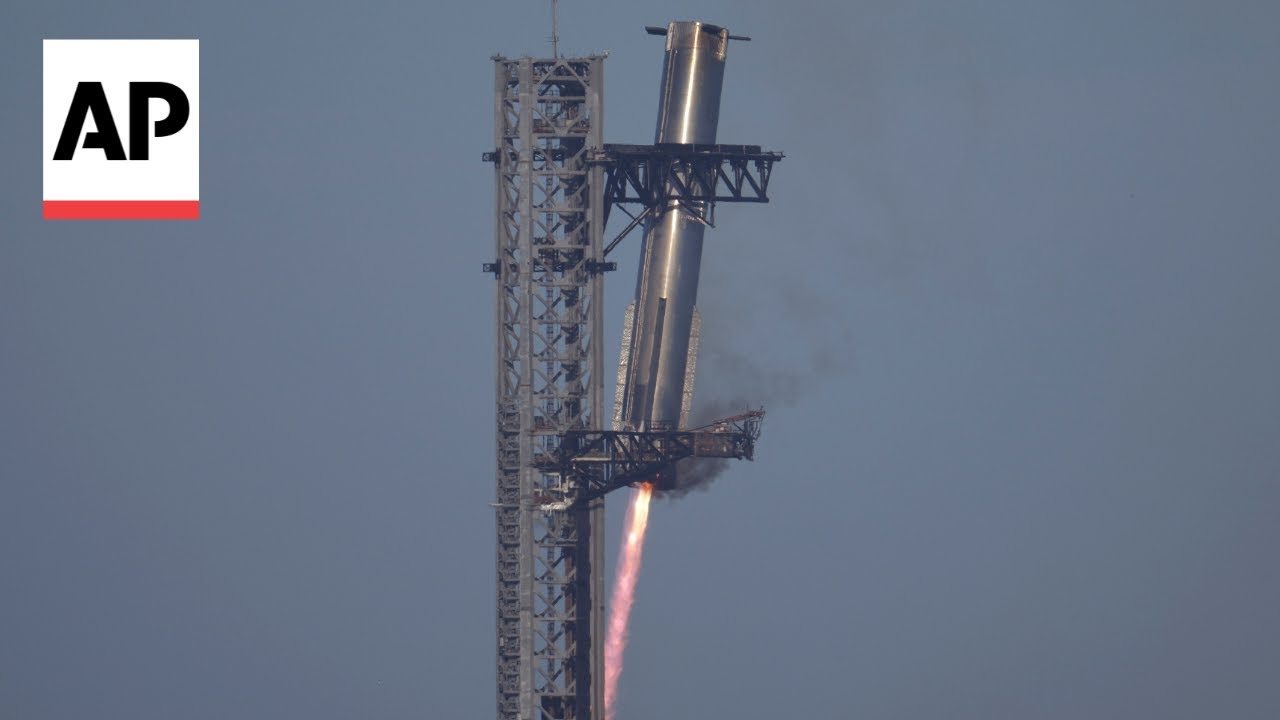
Whether the rocket clears the pad cleanly or adds another chapter to Starship’s turbulent history, Tuesday’s flight will tell us something important about where this program stands — and how close humanity really is to returning to the moon.
Frequently Asked Questions
When is the Starship V3 launch scheduled?
The launch window opens at 6:30 p.m. EDT on Tuesday, May 19, at Starbase in southern Texas.
How tall is the new Starship V3?
Starship V3 stands 407 feet (124 meters) tall, making it the tallest and most powerful rocket ever built. It consists of a Starship spacecraft mounted on a Super Heavy rocket booster.
What is the purpose of this test flight?
Flight 12 is a one-hour test flight designed to evaluate the performance of the new Starship V3 design and gather data to support future missions, including NASA’s planned lunar landings.
Has Starship ever had a successful flight before?
Yes. Flight 10, in August 2025, was considered successful despite some vehicle damage, and Flight 11, in October 2025, was described as a clean flight with no significant issues.
Why does NASA care about Starship’s test flights?
NASA has selected Starship as its Human Landing System for the Artemis program, with a goal of landing humans on the moon in 2028. Starship’s reliability is directly tied to that mission timeline.
What went wrong in earlier Starship tests?
Flights 7 and 8 saw fiery debris fall from the sky, Flight 9 fell short of its target, and a Starship exploded on the launchpad during a routine test before Flight 10 could take place.




Leave a Reply