
Ten billion years ago, a small galaxy drifted too close to what would eventually become the Milky Way — and never left. Now, astronomers believe they have found its remains hiding in plain sight among the stars of our own galaxy.
The absorbed galaxy has been nicknamed “Loki” by researchers, and the evidence for its existence comes from a cluster of chemically unusual stars whose motion and composition suggest they originated somewhere far beyond our galaxy’s original boundaries. It is a cosmic cold case, and scientists think they may have finally cracked it.
For anyone who has ever wondered where the Milky Way actually came from, this discovery offers a rare and vivid answer: our galaxy was built, piece by piece, by consuming others.
How the Milky Way Grows by Eating Other Galaxies
Massive galaxies are not born whole. That is one of the foundational ideas in modern astronomy, and the story of Loki is a direct illustration of it.
In the early universe, shortly after the Big Bang, matter clumped into clouds of gas that collapsed into the first primitive galaxies. These small systems then fell into one another, merged, and gradually built up the large galaxies we see today — including our own. The Milky Way, in other words, is not an original structure. It is an accumulation.
What makes Loki particularly significant is its age. Lead author of the study Federico Sestito, an astrophysicist at the University of Hertfordshire in the U.K., told Live Science that Loki may have been among “the very first small galaxies formed in the young universe.” If that holds up, studying its remnants is not just about understanding one ancient merger — it is about looking back at the earliest chapter of cosmic history.
Sestito also described studying these stars as “very important” for understanding the history of both the Milky Way and the universe itself.
What Makes These Stars Different — and How Scientists Found Them
The researchers identified the suspected Loki stars by examining two key factors: their chemical composition and their motion near the galactic disk.
Stars carry the fingerprints of the environment in which they were born. The chemical makeup of a star — which elements it contains and in what proportions — reflects the conditions of the gas cloud it formed from. Stars that formed in a small, isolated dwarf galaxy in the early universe would have a distinctly different chemical signature than stars born inside the Milky Way itself.
When astronomers analyzed these particular stars and found their chemistry did not match what you would expect from native Milky Way stars, that was the first major clue. Their movement through the galactic disk added further weight to the case.
Together, those two lines of evidence pointed toward a single origin: a separate galaxy that merged with the Milky Way roughly 10 billion years ago.
Key Facts About the Loki Galaxy Discovery
| Detail | What We Know |
|---|---|
| Nickname of absorbed galaxy | Loki |
| Estimated time of merger | Approximately 10 billion years ago |
| Type of galaxy | Dwarf galaxy from the early universe |
| Evidence used | Star chemistry and motion near the galactic disk |
| Lead researcher | Federico Sestito, University of Hertfordshire, U.K. |
| Significance | May be among the first small galaxies formed after the Big Bang |
- The stars suspected to be from Loki were identified through unusual chemical signatures
- Their motion close to the galactic disk also set them apart from typical Milky Way stars
- Loki is believed to have been a small, primitive dwarf galaxy
- The research contributes to the broader understanding of galaxy formation through mergers
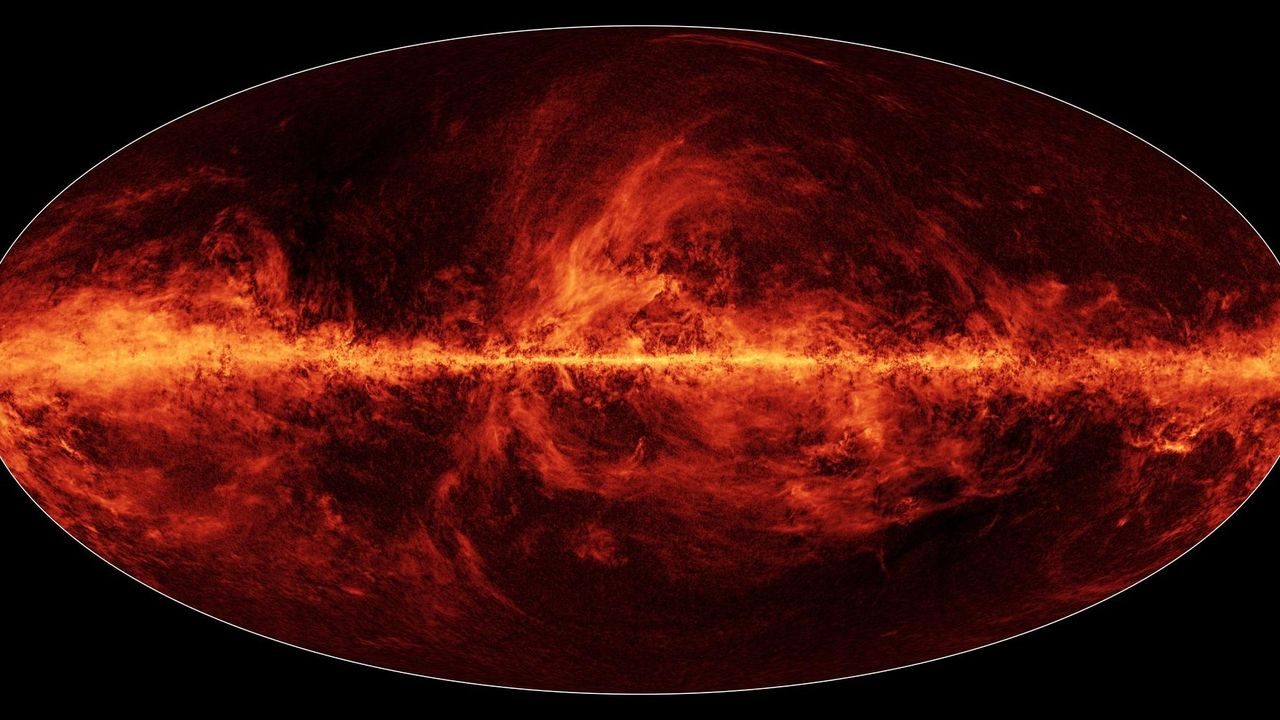
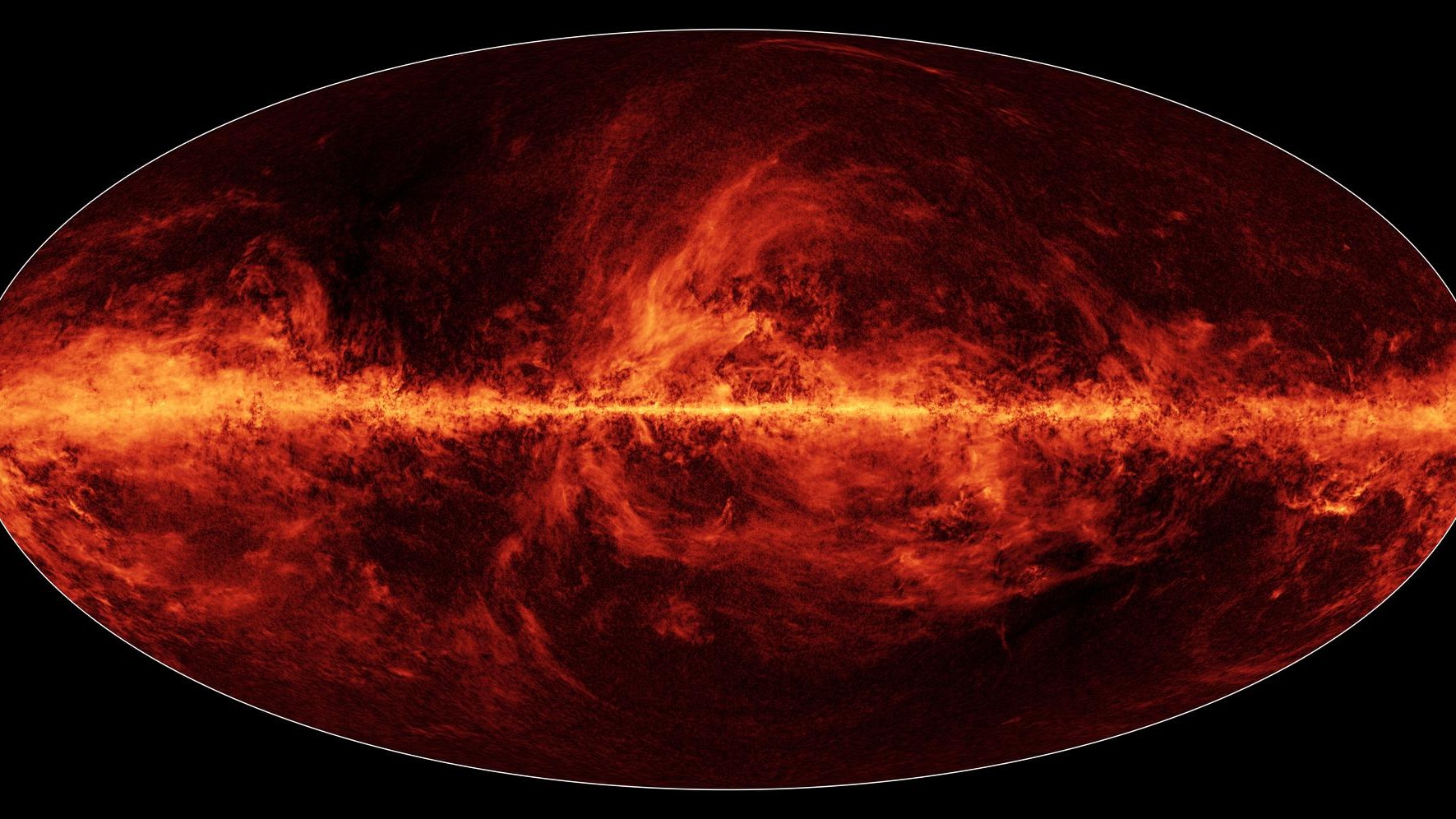
- ESA’s Planck satellite has produced all-sky maps of the Milky Way that help reveal clues about previous galaxy mergers
Why This Discovery Matters Beyond Astronomy
It might be easy to think of a 10-billion-year-old galaxy merger as purely academic — something interesting to astronomers but distant from everyday reality. The truth is more layered than that.
Understanding how galaxies like the Milky Way were assembled helps scientists reconstruct the conditions of the early universe. Every ancient merger that researchers can identify and date is another data point in the timeline of cosmic evolution. Loki, if confirmed, would represent one of the oldest traceable building blocks of our galaxy.
There is also something quietly profound about the finding. Every star in the night sky that you can see from Earth exists inside a galaxy that was built through billions of years of collisions and absorptions. The Milky Way did not emerge from nothing — it consumed, merged, and grew. Loki is one of the galaxies that helped make that happen.
For scientists, the ability to identify individual merger events — even ones that happened 10 billion years ago — shows just how much information is preserved in the stars themselves, if you know what to look for.
What Researchers Are Looking for Next
The identification of Loki opens new questions rather than closing them. Researchers will likely look to confirm the findings by studying more stars with similar chemical and kinematic profiles, trying to map the full extent of what Loki left behind inside the Milky Way.
If Loki was truly among the first galaxies to form after the Big Bang, its stars could carry chemical signatures from an era when the universe contained almost none of the heavier elements that exist today. That would make them extraordinarily rare windows into early cosmic chemistry.
The broader goal is to build a more complete merger history for the Milky Way — identifying not just Loki but the many other ancient galaxies whose remnants may still be orbiting inside our own, waiting to be recognized.
Frequently Asked Questions
What is the galaxy nicknamed Loki?
Loki is the name given to an ancient dwarf galaxy that astronomers believe merged with the Milky Way approximately 10 billion years ago, leaving behind a population of chemically distinct stars.
How did scientists find evidence of Loki?
Researchers identified unusual stars near the Milky Way’s galactic disk whose chemical composition and motion suggested they originated in a separate galaxy rather than forming within the Milky Way itself.
Who led the research into the Loki galaxy?
The study was led by Federico Sestito, an astrophysicist at the University of Hertfordshire in the United Kingdom.
Why is Loki considered significant among ancient galaxies?
According to the lead researcher, Loki may have been among the very first small galaxies formed in the young universe, making its remnants potentially valuable for studying the earliest stages of cosmic history.
Does this change what we know about the Milky Way’s origins?
It adds to the growing picture of the Milky Way as a galaxy built through mergers over billions of years, rather than one that formed as a single unified structure.
Are Loki’s stars still visible today?
Yes — the research suggests that stars originally from Loki are still present within the Milky Way, identifiable through their distinct chemical signatures and movement patterns near the galactic disk.


Leave a Reply