
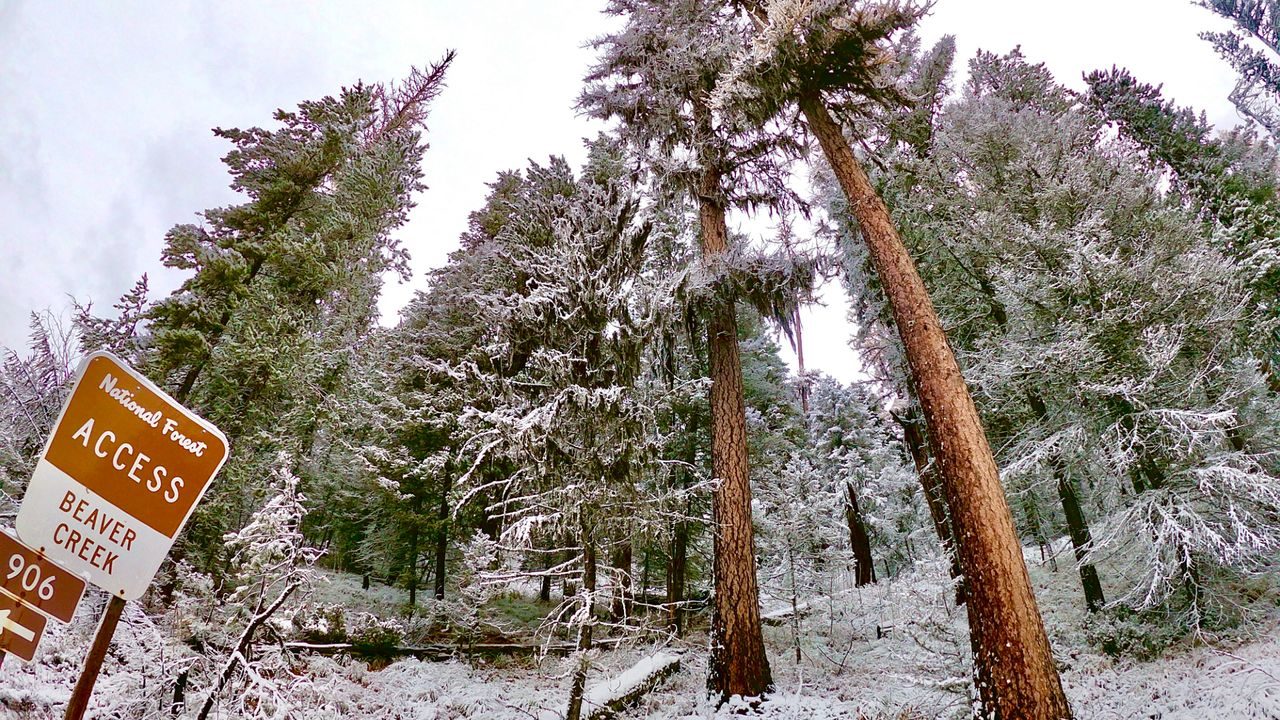
When most Americans picture a national forest, they see towering pines in the Pacific Northwest or rugged Rocky Mountain wilderness. What they don’t picture is the eastern half of the United States — and that blind spot may be exactly what the Trump administration is counting on.
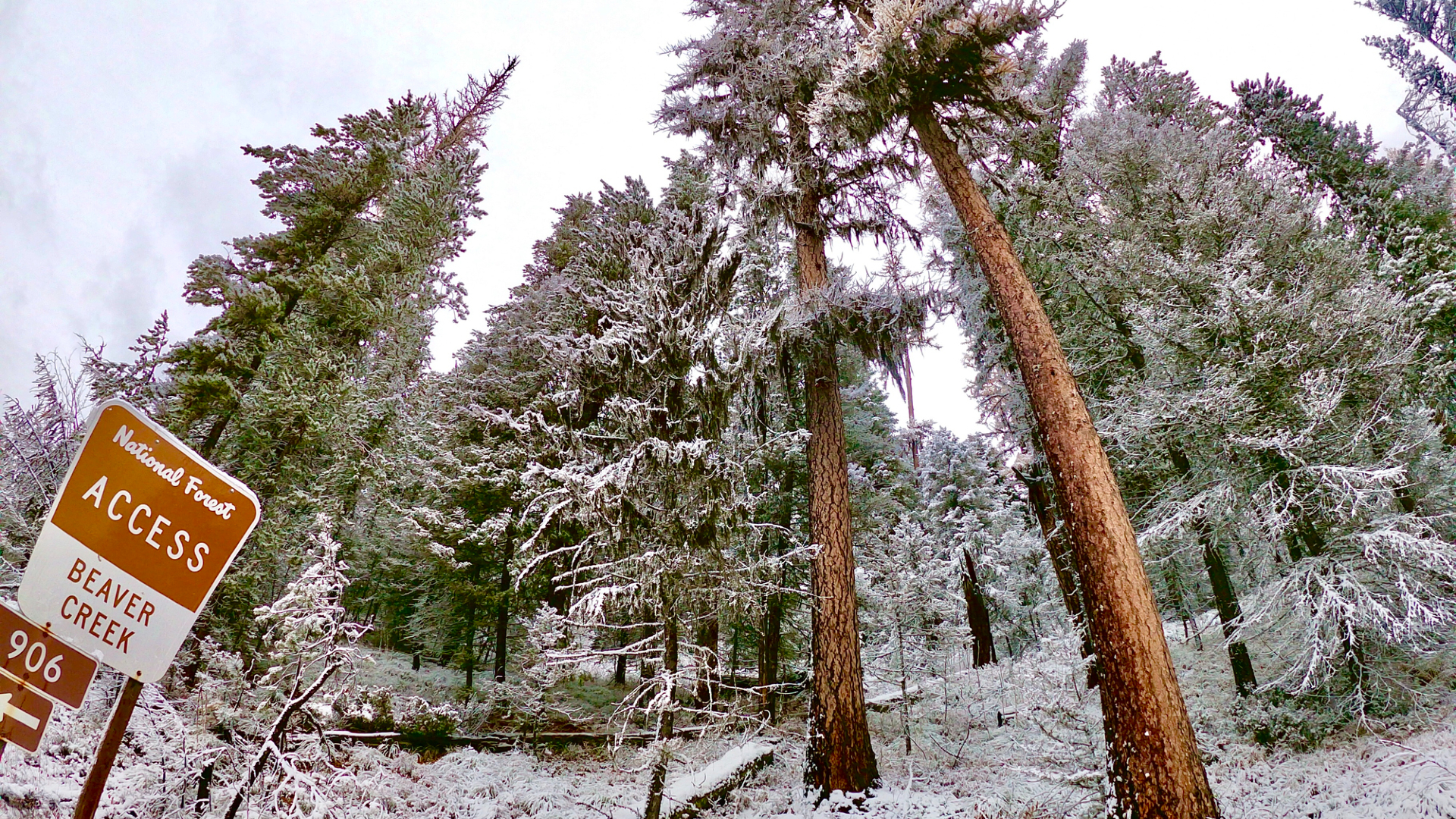
According to reporting by Grist, in partnership with WABE, Atlanta’s NPR station, and WBEZ, a public radio station serving the Chicago metropolitan region, the Trump administration is pursuing plans to open federally protected forests on the East Coast to logging and mining. Millions of acres of federal woodlands spread across the eastern United States, and those lands are now at the center of a significant policy fight.
One of the forests specifically identified in connection with these efforts is the Beaverhead-Deerlodge National Forest, located near Deer Lodge, Montana — a vast and ecologically significant landscape that conservationists have long worked to protect.
What the Trump Administration Is Actually Proposing
The push involves opening national forest land to commercial extraction industries — primarily logging and mining. These are not small-scale operations. Industrial logging and mining on federal land can permanently alter forest ecosystems, fragment wildlife habitats, and affect watershed quality for surrounding communities.
Federal forests in the eastern United States have historically received less public attention than their western counterparts, but they serve the same essential functions: clean water, wildlife corridors, carbon storage, and recreational space for millions of people. Advocates argue that the relative obscurity of eastern national forests makes them more vulnerable to policy changes that might face stronger opposition if they targeted more famous western landscapes.
The reporting on this story was produced through a collaborative journalism partnership, suggesting the scope of the issue spans multiple regions and communities — not just the Mountain West.
The Forests Most People Don’t Know They Depend On
The eastern United States is home to millions of acres of national forest land, much of it tucked into states where residents may not even realize federal woodlands exist nearby. These forests provide drinking water to downstream communities, habitat for threatened species, and recreational opportunities ranging from hiking to hunting.
Unlike the grand, well-publicized wilderness areas of the American West, eastern national forests often sit closer to population centers — making their protection arguably more urgent, not less. Critics of the administration’s approach contend that opening these lands to extraction industries would have direct, measurable consequences for communities that rely on them.
- National forests provide clean water to hundreds of downstream communities
- Federal woodlands serve as critical wildlife corridors across fragmented eastern landscapes
- These forests store significant amounts of carbon, making them relevant to broader climate discussions
- Eastern national forests support outdoor recreation economies in rural areas
- Many of these lands were set aside specifically to recover from earlier industrial logging
What We Know — and What Remains Unconfirmed
| What Is Confirmed | What Is Not Yet Confirmed |
|---|---|
| The Trump administration is pursuing plans to open East Coast national forests to logging and mining | The specific legislation or executive orders driving the proposal |
| Beaverhead-Deerlodge National Forest near Deer Lodge, Montana is among the forests targeted | The full list of forests under consideration for opening |
| Millions of acres of federal forest land exist across the eastern United States | The total acreage that could be affected by the proposal |
| The story was reported through a partnership between Grist, WABE, and WBEZ | Timeline for when any policy changes could take effect |
The involvement of multiple public radio stations and an environmental news outlet signals that this story has regional dimensions — communities in both the South and the Midwest are likely to be directly affected alongside those in the Mountain West.
Why This Moment Feels Different From Past Debates
Fights over logging and mining on federal land are not new. But the current political environment has accelerated the pace at which protected land designations are being reconsidered. The Trump administration has made expanding domestic resource extraction a central policy priority, and national forests represent some of the last large blocks of federally managed land where that expansion could occur at scale.
Supporters of opening forest land to industry typically argue that domestic timber and mineral production creates jobs, reduces dependence on foreign supply chains, and can be managed responsibly under existing environmental law. Critics counter that the long-term costs — to water quality, biodiversity, and climate — far outweigh short-term economic benefits.
What makes the current push notable, according to the reporting, is its geographic reach. By targeting forests in the eastern United States — lands that many Americans don’t associate with the logging and mining debates they’ve seen play out in the West — the administration may be expanding the battleground in ways that catch communities off guard.
What Happens Next
The specific timeline for these proposals has not been confirmed in the available source material. However, changes to national forest management typically move through a federal rulemaking process that includes public comment periods — meaning ordinary citizens, local governments, and conservation groups have formal opportunities to weigh in before final decisions are made.
Advocacy organizations and public radio stations covering this story are likely to continue tracking regulatory filings and agency announcements as the proposals develop. Anyone with a stake in the outcome — which includes communities near affected forests — would be well served by monitoring those channels closely.
The partnership between Grist, WABE, and WBEZ that produced this reporting suggests ongoing coverage is planned, which means more specific details about which forests, which regulations, and which communities face the greatest exposure are likely to emerge in the weeks ahead.
Frequently Asked Questions
Which forests are being targeted by the Trump administration?
The Beaverhead-Deerlodge National Forest near Deer Lodge, Montana has been specifically identified. The full list of forests under consideration has not been confirmed in available reporting.
What kinds of activities would be allowed under the proposal?
The proposal involves opening national forest land to logging and mining, though the specific scope and scale of permitted operations has not yet been detailed in confirmed reporting.
Does this affect only western forests or eastern ones too?
According to the reporting, the push specifically targets forests in the eastern half of the United States — lands that receive far less public attention than western national forests.
Who produced this reporting?
The story was reported through a collaborative partnership between Grist, WABE (Atlanta’s NPR station), and WBEZ, a public radio station serving the Chicago metropolitan region.
Can the public oppose these changes?
Changes to national forest management typically require a federal rulemaking process that includes public comment periods, giving citizens and organizations a formal opportunity to respond before decisions are finalized.
When could these changes take effect?
A specific timeline has not been confirmed in the available source material. Further details are expected as the proposals move through the regulatory process.




Leave a Reply