
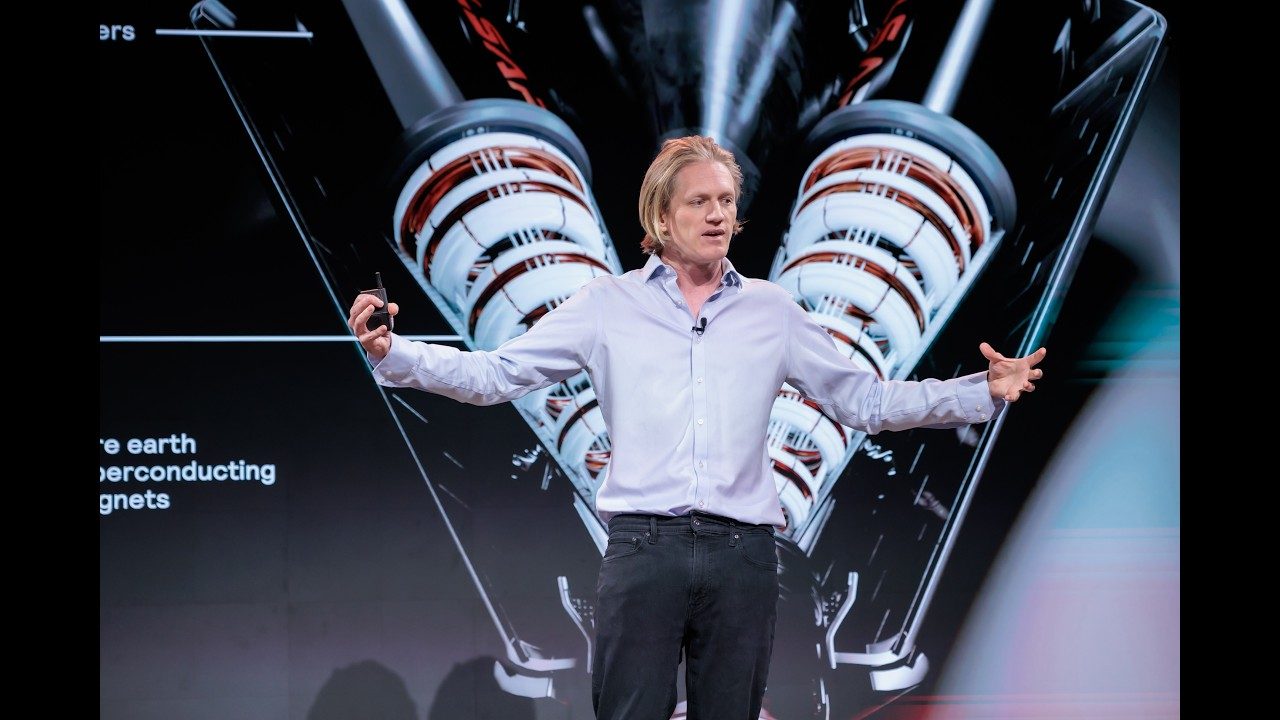
A British company has fired up plasma inside a fusion rocket exhaust system for the first time — and the milestone, small as it may be, is drawing serious attention from the space industry. On March 25, 2026, Pulsar Fusion announced it had generated and confined plasma inside the exhaust test system for its Sunbird concept, streaming the demonstration live from Bletchley, England to Amazon’s MARS Conference in Ojai, California.
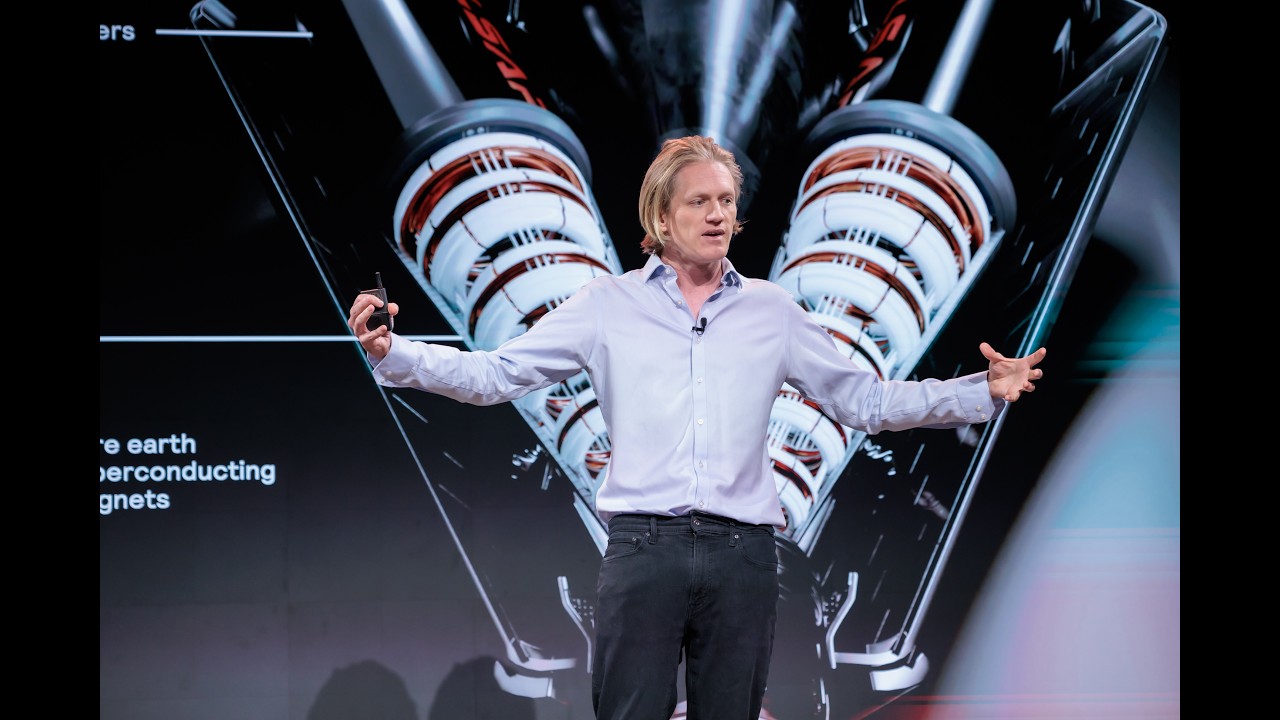
The test did not launch anything into orbit. It did not power a spacecraft to Mars. But it did show, for the first time, that engineers could guide and accelerate charged particles through an exhaust channel using electric and magnetic fields — with krypton gas serving as the initial propellant. That is a meaningful step in a field where meaningful steps are rare.
The bigger question is what comes next, and whether the technology can ever bridge the enormous gap between a ground-based plasma test and a flight-ready engine capable of reshaping how humanity moves through the solar system.
What Pulsar Fusion’s Sunbird Actually Did
The term “first plasma” has a specific meaning in fusion research. It refers to the moment when a system successfully generates and confines a plasma — a superheated state of matter where electrons are stripped from atoms — inside a controlled environment. For Pulsar Fusion, that environment was the exhaust test system of its Sunbird concept.
Engineers used electric and magnetic fields to guide and accelerate the charged particles through an exhaust channel. Krypton gas acted as the initial propellant in the test. The demonstration was streamed publicly, connecting a lab in England with one of the space industry’s most prominent annual gatherings in California.
Pulsar Fusion describes the Sunbird as a fusion-powered “space tug” — a vehicle designed not to launch from Earth, but to push spacecraft faster once they are already in orbit. The company’s own public figures suggest this kind of propulsion system could significantly cut travel times to destinations like Mars, though those numbers remain theoretical at this stage.
Why This Matters for the Race to Mars
Getting to Mars is not just a distance problem — it is a time problem. Current chemical rocket technology means a crewed Mars mission would take roughly six to nine months one way, exposing astronauts to prolonged radiation, muscle loss, and bone density reduction. A propulsion system that could meaningfully shorten that journey would change the calculus of deep space exploration entirely.
That is the promise behind fusion propulsion. Unlike chemical rockets, which burn fuel in a combustion reaction, fusion propulsion would harness the energy released when atomic nuclei are forced together — the same process that powers the sun. The energy density is vastly higher, which is why advocates argue it could enable faster, more efficient travel across the solar system.
But the gap between “first plasma” and a working fusion rocket is enormous. Fusion energy research has been ongoing for decades, and the challenge of sustaining a controlled fusion reaction long enough and stably enough to be useful has proven extraordinarily difficult. Pulsar Fusion’s test is a step in the right direction, but the company itself frames it as a milestone on a long road — not an arrival.
What the Test Involved — Key Details
| Detail | Information |
|---|---|
| Company | Pulsar Fusion |
| Test Date | March 25, 2026 |
| Test Location | Bletchley, England |
| Technology Tested | First plasma in Sunbird exhaust test system |
| Propellant Used | Krypton gas |
| Method | Electric and magnetic fields guiding charged particles through an exhaust channel |
| Concept Vehicle | Sunbird — described as a fusion-powered space tug |
| Demo Streamed To | Amazon’s MARS Conference, Ojai, California |
- The Sunbird is designed to operate in orbit, not launch from Earth’s surface
- Its proposed role is to accelerate spacecraft already in orbit, acting as a propulsion booster
- Pulsar’s public numbers suggest potential for significantly reduced Mars transit times, though no verified figures have been independently confirmed
- Krypton was used as the initial propellant in the exhaust test — not the fusion fuel itself
The Part of This Story Most Reports Are Missing
There is a second, quieter question sitting beneath all the excitement about fusion rockets and Mars timelines: what does expanding the space economy mean for Earth’s environment?
Advocates of fusion propulsion argue that its energy efficiency could actually reduce the environmental cost of space travel compared to chemical rockets, which require enormous quantities of fuel per mission. But the broader concern — how to grow humanity’s presence in space without simply exporting its environmental problems — rarely gets the attention it deserves in coverage of milestones like this one.
Pulsar Fusion’s test raises this question without answering it. The company’s focus right now is on proving the technology works at all. The environmental and regulatory frameworks for fusion-powered spacecraft remain largely unwritten.
What Happens Next for Fusion Rocket Technology
Pulsar Fusion has described this test as a step on a long road, not a finish line. “First plasma” is an early milestone in a development process that typically includes many more stages: sustained plasma confinement, increasing power output, miniaturizing the system for space use, and eventually demonstrating the technology in an actual space environment.
None of those subsequent stages have timelines confirmed in the currently available information. What is clear is that the space propulsion field is watching closely. If fusion propulsion can be made to work, it would not just change how fast we reach Mars — it could reshape the entire architecture of how humanity operates beyond Earth.
For now, Pulsar Fusion has done something no company had done before in this specific context: generated and confined plasma inside a fusion rocket exhaust system and shown it to the world. Whether that becomes a footnote or a turning point depends entirely on what comes next.
Frequently Asked Questions
What did Pulsar Fusion actually test on March 25, 2026?
The company generated and confined plasma inside the exhaust test system of its Sunbird fusion rocket concept, using electric and magnetic fields to guide charged particles through an exhaust channel with krypton gas as the initial propellant.
What is the Sunbird?
The Sunbird is Pulsar Fusion’s fusion-powered “space tug” concept — a vehicle designed to push spacecraft faster once they are already in orbit, rather than launching from Earth’s surface.
Could this technology really cut travel time to Mars?
Pulsar Fusion’s own public numbers suggest it could, but those figures are theoretical at this stage. No independently verified performance data has been confirmed.
Does “first plasma” mean a fusion rocket is ready to fly?
No. First plasma is an early development milestone. Many more stages — including sustained confinement, increased power output, and space-environment testing — would be required before a flight-ready engine could exist.
Where did the test take place?
The test was conducted in Bletchley, England, and the demonstration was streamed live to Amazon’s MARS Conference in Ojai, California.
What propellant did Pulsar Fusion use in the test?
Krypton gas was used as the initial propellant in the exhaust test system during the March 2026 demonstration.


Leave a Reply