
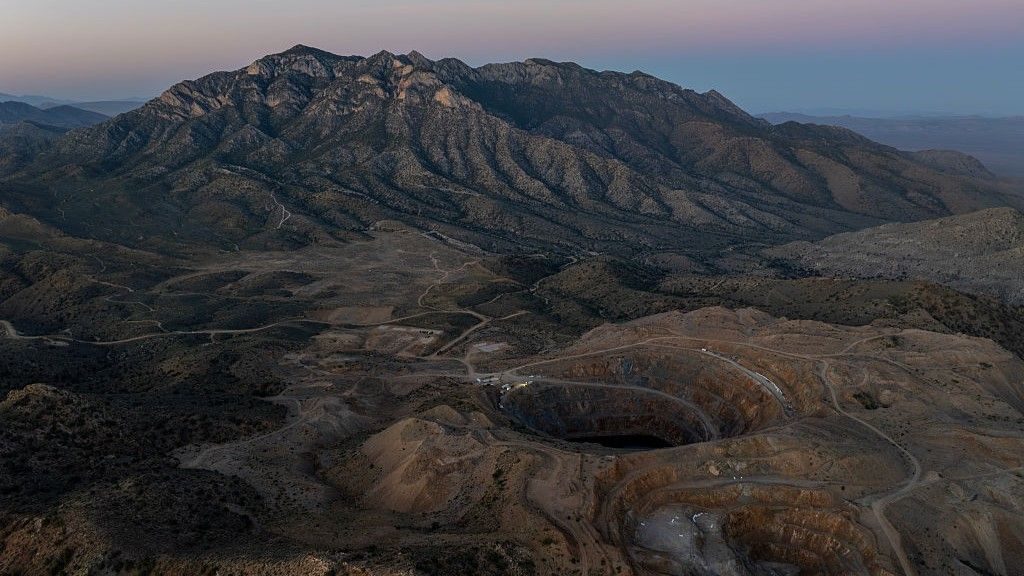
The minerals powering your phone, your electric car, and the wind turbines generating clean energy all share a common origin story — and for decades, scientists have struggled to fully understand it. Now, new research may have cracked open a key piece of that puzzle, revealing an ancient geological process that formed rare earth elements deep inside the Earth. More importantly, the discovery could point scientists toward where to find desperately needed deposits of these critical materials.
Rare earth elements are not actually rare in the Earth’s crust — but concentrated, economically viable deposits of them are extremely hard to find. That supply problem has become one of the defining resource challenges of the modern era, with demand surging from the tech and clean energy industries. Any scientific breakthrough that helps locate new deposits carries enormous economic and geopolitical weight.
This latest research offers exactly that kind of lead.
What Scientists Actually Found
According to the new study, rare earth elements crystallize in Earth’s mantle inside specific blobs of magma. These are not ordinary magma pockets — they are unusually rich in alkali metals, such as sodium and potassium, and carbonate minerals, such as calcite and dolomite.
The combination of these two chemical environments appears to be the key ingredient. When alkali-rich and carbonate-rich magma come together in the right conditions deep underground, rare earth elements crystallize out of the mixture. Over geological timescales, those crystallized deposits can eventually make their way closer to the surface — and potentially into reach of mining operations.
This finding gives geologists a new chemical fingerprint to look for. Rather than searching blindly, researchers can now target regions where the right type of ancient magma activity occurred, significantly narrowing the search area for viable rare earth deposits.
Why Rare Earth Elements Are So Hard to Find — and So Valuable
The term “rare earth elements” refers to a group of 17 metallic elements that share similar chemical properties. They include materials like neodymium, used in powerful permanent magnets; cerium, used in catalytic converters; and dysprosium, essential for electric motors. Despite being technically present across the globe, they rarely concentrate in quantities worth mining.
That scarcity of viable deposits has created a global supply crunch. The tech industry depends on rare earths for smartphones, computer hard drives, and flat-screen displays. The clean energy sector relies on them for wind turbines and electric vehicle batteries. Defense industries use them in guided missile systems, radar, and sonar.
Currently, global supply chains for rare earth elements are dominated by a small number of countries, making the rest of the world uncomfortably dependent on geopolitical relationships that can shift quickly. Finding new deposits — especially in politically stable regions — is considered a strategic priority by governments and industries alike.
| Rare Earth Element | Key Use | Industry |
|---|---|---|
| Neodymium | Permanent magnets | Tech / Clean Energy |
| Cerium | Catalytic converters | Automotive |
| Dysprosium | Electric motors | Electric Vehicles |
| Sodium / Potassium (alkali metals) | Key formation environment | Geological indicator |
| Calcite / Dolomite (carbonates) | Key formation environment | Geological indicator |
Note: The alkali metals and carbonate minerals in the table refer to the geological conditions identified in the study as critical to rare earth element formation, not rare earth elements themselves.
How This Changes the Search for Rare Earth Deposits
Before this research, the formation process behind rare earth deposits was only partially understood. Scientists knew these elements existed in concentrated form in certain locations, but the specific conditions that caused them to crystallize and accumulate were murky.
This study provides a more precise geological recipe. By identifying that alkali-rich, carbonate-bearing magma in the Earth’s mantle is the birthplace of these deposits, researchers now have a clearer target. Geologists can look for surface or subsurface evidence of ancient magma activity with those specific chemical signatures — places where carbonatite rocks or alkaline igneous formations exist.
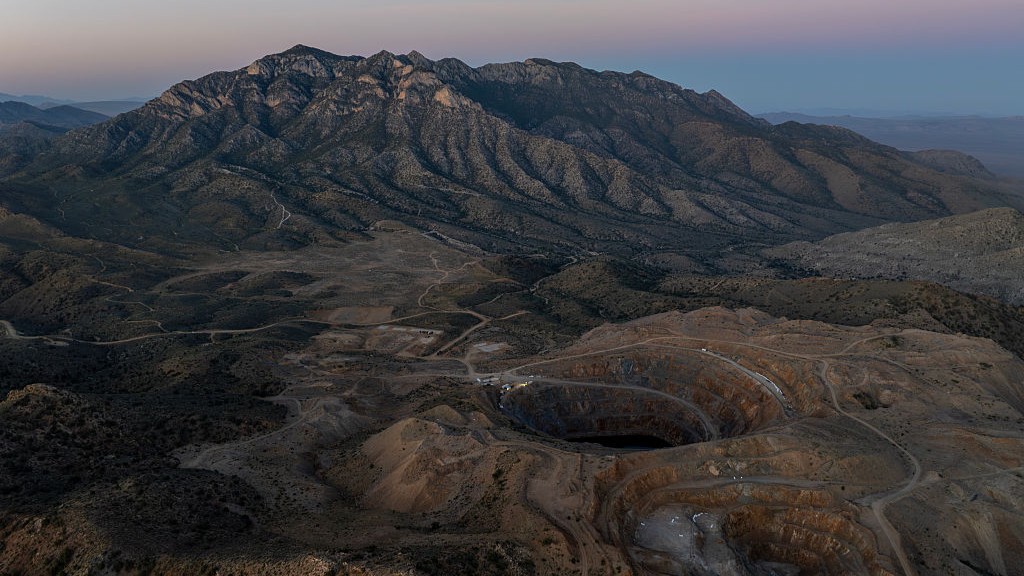
The Mojave National Preserve in California, for example, is already known to host rare earth mineral activity, and it represents the kind of geological environment that this type of research helps contextualize. But the real promise lies in applying this knowledge to unexplored regions around the world where similar ancient geological processes may have left hidden deposits behind.
Researchers suggest this new understanding could meaningfully narrow down the search, reducing the cost and time required to locate economically viable deposits — a significant development given how expensive and slow rare earth exploration typically is.
What This Means for the Energy Transition and Tech Supply Chains
The timing of this discovery matters. Global demand for rare earth elements is accelerating, driven by the rapid expansion of electric vehicles, offshore wind farms, and consumer electronics. Analysts and policymakers have repeatedly flagged rare earth supply as a critical vulnerability in the clean energy transition.
Finding new deposits is only part of the solution — mining and processing rare earths is environmentally complex and expensive. But you cannot mine what you cannot find. Research that improves the targeting of exploration efforts is a genuine step forward, even if it does not solve every challenge in the supply chain overnight.
The broader scientific community has noted that better geological models for rare earth formation could also improve understanding of other critical mineral deposits, since the underlying mantle processes involved overlap with the formation of several other strategically important materials.
What Comes Next for This Research
The immediate next step is likely field validation — testing whether the geological fingerprints identified in the study actually correspond to undiscovered deposits in real-world locations. That work would involve geological surveys targeting regions with the right ancient magma signatures.
If the approach proves reliable, it could be incorporated into the exploration strategies used by mining companies and government geological surveys worldwide. Given the urgency around rare earth supply, there is strong incentive to move quickly from laboratory findings to practical application.
The full details of the study have been published and are drawing attention from both the scientific community and the industries most dependent on rare earth supply. Whether this research leads directly to new mines remains to be seen — but it represents a meaningful advance in understanding where to look.
Frequently Asked Questions
What are rare earth elements and why do we need them?
Rare earth elements are a group of 17 metallic elements essential to modern technology, including smartphones, electric vehicle motors, wind turbines, and defense systems. Concentrated deposits of them are difficult to find, making supply a global challenge.
What did the new study discover about rare earth element formation?
Researchers found that rare earth elements crystallize in the Earth’s mantle inside blobs of magma that are rich in alkali metals, such as sodium and potassium, and carbonate minerals, such as calcite and dolomite.
How could this discovery help locate new rare earth deposits?
By identifying the specific chemical conditions in which rare earth elements form, scientists can now target geological regions that show evidence of ancient alkali-rich, carbonate-bearing magma activity — significantly narrowing the search for viable deposits.
Where are rare earth minerals currently being mined?
Specific global production figures were not included in
Will this research lead to new mines being opened soon?
This has not yet been confirmed. The research provides a new geological framework for exploration, but field validation and full exploration surveys would need to follow before any new deposits could be confirmed and developed.
Why is rare earth supply considered a strategic priority?
Because rare earth elements are essential to clean energy infrastructure, consumer electronics, and defense systems, and viable deposits are concentrated in relatively few locations globally, creating significant supply chain vulnerabilities for many countries.




Leave a Reply