
A sweeping new genetic analysis has found that humans migrated to South America in three distinct waves over thousands of years — and that one of those waves carried ancestry from a previously unknown Asian population that researchers are now calling a “ghost population.” The findings, drawn from nearly 200 Indigenous genomes, are reshaping what scientists thought they knew about who first settled the Americas.
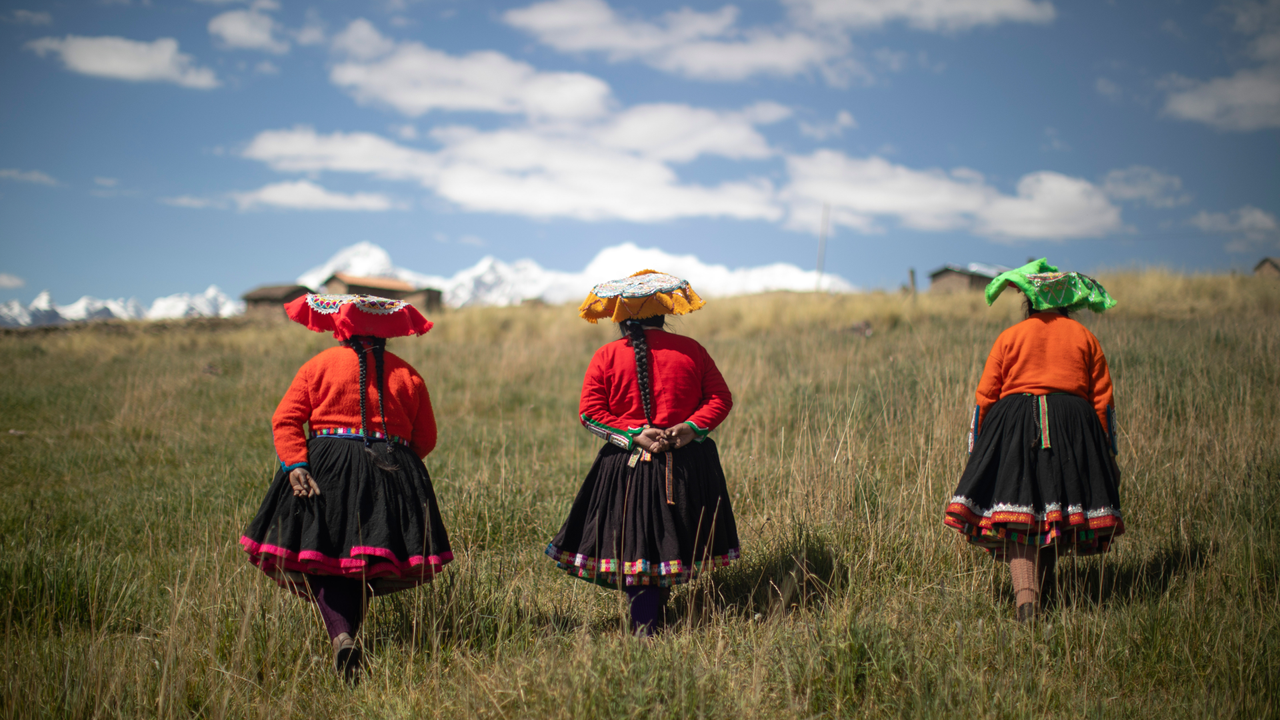
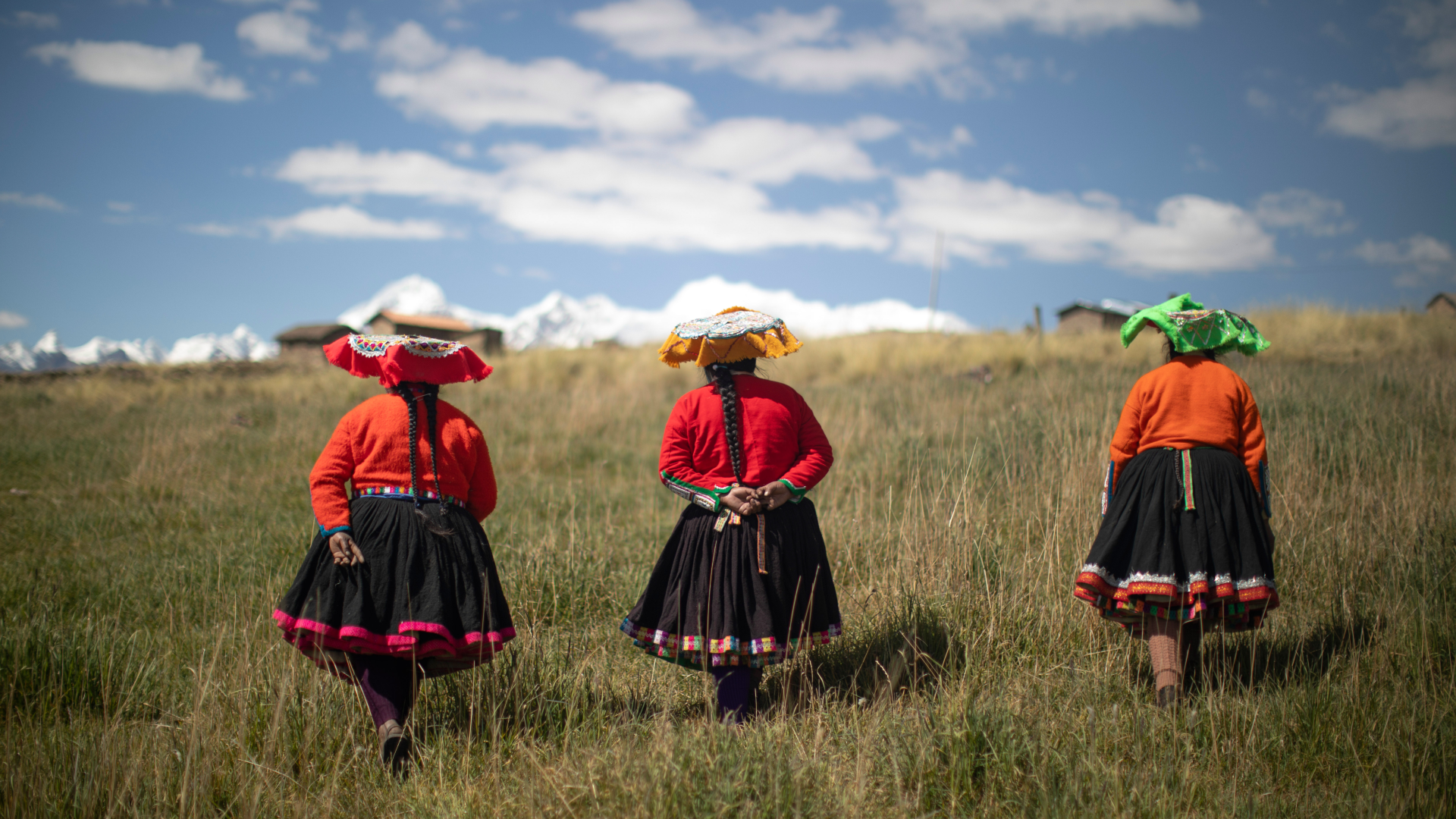
The study, reported by Live Science, analyzed DNA from modern Indigenous groups across the Americas, including the Quechua people of the Andes. What emerged was a far more complex picture of ancient human migration than the long-held single-wave model suggested. Researchers also identified specific genes — related to fertility, metabolism, and immune response — that appear to have helped early settlers survive and adapt to the extreme environments they encountered in South America.
South America has been described by researchers as the “final frontier” of human migration, and this study suggests the journey there was anything but simple.
Three Waves, Not One: What the DNA Actually Shows
For decades, the dominant scientific view held that the Americas were populated largely by a single founding group that crossed from Asia into North America and gradually spread south. This new large-scale genomic analysis complicates that story significantly.
According to the research, South America received at least three separate waves of migration over the course of thousands of years. Each wave contributed differently to the genetic makeup of the Indigenous populations that exist today. The most striking revelation is the presence of genetic material from an unknown Asian group — one that has left no confirmed archaeological trace and exists in the record only as a signal in modern DNA. Scientists refer to such groups as “ghost populations” precisely because they are detected genetically but have not yet been identified through fossils or physical remains.
The inclusion of nearly 200 Indigenous genomes makes this one of the most comprehensive studies of its kind, lending significant weight to its conclusions.
What a “Ghost Population” Actually Means
The term sounds dramatic, but it has a precise scientific meaning. A ghost population is an ancestral group whose existence is inferred entirely from the genetic signatures they left behind in the DNA of their descendants — people alive today. No skeletal remains, no tools, no confirmed archaeological site has yet been linked to this particular group.
Their genetic contribution, however, is real and measurable. The signal appears in the DNA of certain Indigenous South American communities, pointing to an ancient mixing event between early American settlers and people from an as-yet-unidentified Asian lineage. Who they were, exactly when they arrived, and what route they took remains an open question.
This kind of discovery is not unprecedented. Geneticists have previously identified ghost populations in other parts of the world using similar methods, and in several cases, later archaeological discoveries eventually put a face to the genetic signal.
Genes That Helped People Survive the “Final Frontier”
Beyond the migration waves themselves, the study also looked at how early South Americans adapted biologically to their new environments. Researchers found evidence of natural selection acting on genes tied to three key biological systems:
- Fertility — genetic variants that may have influenced reproductive success in new and challenging environments
- Metabolism — adaptations potentially linked to diet and energy use in high-altitude and tropical regions
- Immune response — changes that may have helped populations resist local pathogens and disease pressures
These findings suggest that the peopling of South America was not just a story of movement — it was also a story of rapid biological change as humans encountered ecosystems unlike anything their ancestors had faced.
Key Findings at a Glance
| Finding | Detail |
|---|---|
| Number of genomes analyzed | Nearly 200 Indigenous genomes |
| Migration waves identified | Three distinct waves into South America |
| Unknown ancestry detected | A previously unidentified Asian “ghost population” |
| Gene systems showing adaptation | Fertility, metabolism, immune response |
| Indigenous groups studied | Includes the Quechua of the Andes |
| Description of South America | Called the “final frontier” of human migration |
Why This Matters Beyond the Lab
For Indigenous communities whose ancestry is being studied, findings like these carry real cultural and historical weight. Understanding where a people came from — and through how many distinct journeys — is not just an academic exercise. It connects living communities to a far deeper and more layered past than previously understood.
For the broader scientific community, the discovery of a ghost population in South American ancestry opens new lines of inquiry. Archaeologists and geneticists will now be looking more carefully at the Asian record for populations that might match the genetic signal identified in this study. It also raises questions about what other undiscovered groups may have contributed to human populations around the world.
The study reinforces a growing scientific consensus that human prehistory was defined by repeated movement, mixing, and adaptation — not a single clean march across continents.
What Researchers Will Be Looking For Next
The identification of a ghost population is, in many ways, the beginning of a new investigation rather than the end of one. Scientists will likely focus future work on several fronts: pinpointing where in Asia this unknown group originated, determining more precisely when the mixing event occurred, and searching for physical archaeological evidence that might confirm the genetic findings.
Advances in ancient DNA extraction — particularly from remains found in humid tropical environments where DNA degrades quickly — may eventually help fill in the gaps. For now, the ghost population remains exactly that: a presence felt in the genes of living people, but not yet seen in the archaeological record.
Frequently Asked Questions
What did the DNA study of Indigenous genomes find?
The study found that humans migrated to South America in three distinct waves, and that one wave included ancestry from a previously unknown Asian group, referred to as a “ghost population.”
What is a ghost population?
A ghost population is an ancestral group detected only through genetic signals in the DNA of living descendants — no confirmed physical remains or archaeological evidence has yet been linked to them.
How many Indigenous genomes were analyzed in the study?
Researchers analyzed nearly 200 Indigenous genomes, making it one of the largest studies of its kind focused on the Americas.
Which Indigenous groups were included in the research?
The study included modern Indigenous groups across the Americas, with the Quechua people of the Andes specifically mentioned as part of the research.
What genes showed signs of adaptation in early South Americans?
Researchers found evidence of natural selection acting on genes related to fertility, metabolism, and immune response, suggesting rapid biological adaptation to new environments.
Has the unknown Asian ghost population been identified?
Not yet. The group exists only as a genetic signal in modern DNA and has not been confirmed through fossil records or archaeological discoveries.


Leave a Reply