
May 2026 is shaping up to be one of the more rewarding months for anyone willing to step outside after dark. From a meteor shower that traces its origins back to Halley’s Comet, to a rare second full moon in a single calendar month, the night sky has a lot to offer — and having the right gear can make the difference between a blurry smudge and a genuinely memorable view.
Whether you’re a first-time stargazer or someone who’s been at this for years, knowing what’s coming and when to look is half the battle. The other half is making sure you’re equipped to actually see it.
Here’s a breakdown of every major sky event in May 2026, what you’ll need to observe each one, and why this particular month is worth clearing your schedule for.
Every Major Sky Event in May 2026 — and What You Need to See It
May kicks off strong and never really lets up. The month opens with a full moon on May 1 — the Full Flower Moon, named for the blooms that arrive with spring. No equipment needed for this one; just a clear sky and a decent view of the horizon.
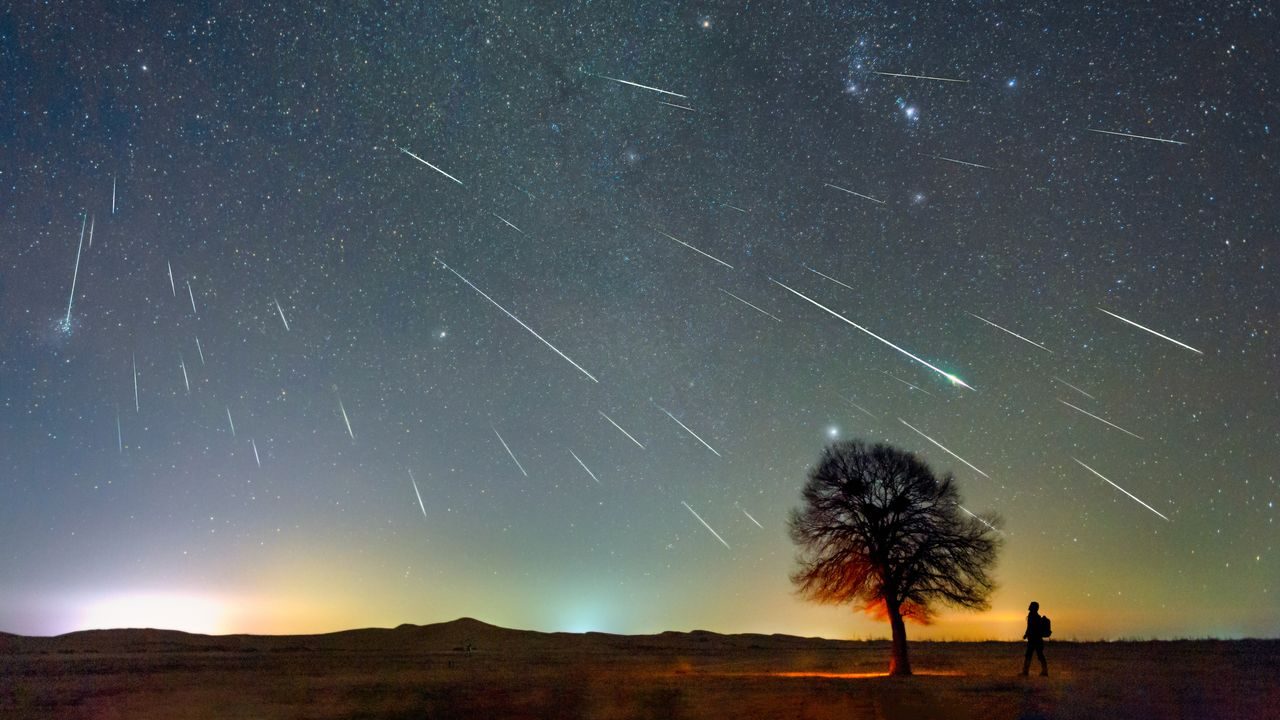
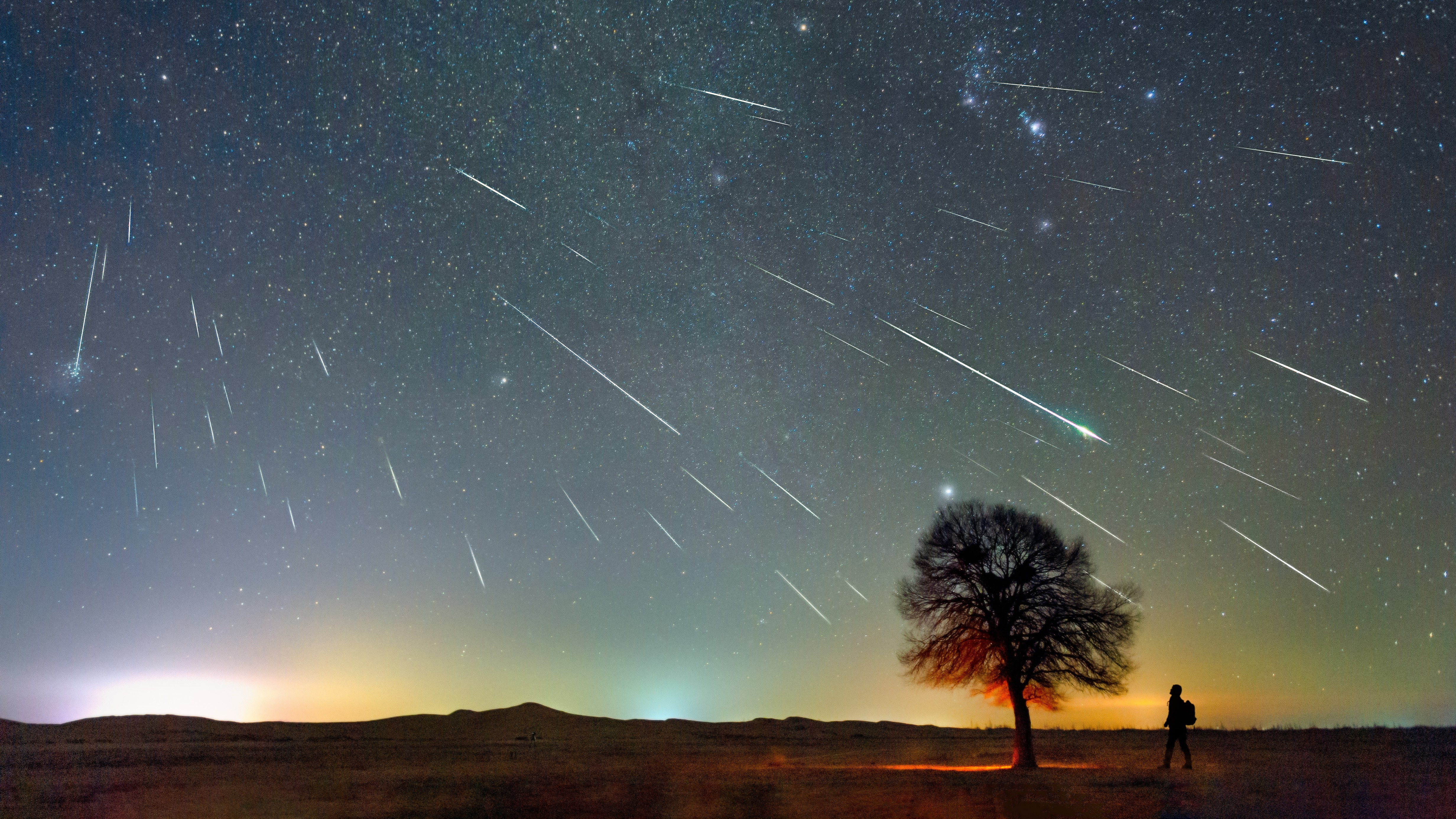
Things get more interesting just a few days later. The Eta Aquariids meteor shower peaks on May 5–6, one of the most reliable annual meteor showers in the Northern Hemisphere. This shower is produced by debris left behind by Halley’s Comet, and it’s best observed with the naked eye from a dark location away from city lights. No telescope required — in fact, a wide field of view is what you want here, so binoculars can actually work against you. A reclining chair and patience are your best tools.
Then comes a stretch of planetary viewing that rewards anyone with even a modest pair of binoculars. From May 13 to 15, a crescent moon passes close to both Saturn and Mars in the evening sky. A few days later, from May 18 to 21, the crescent moon swings near Venus, Jupiter, and the Beehive Cluster — a loose open star cluster in Cancer that looks stunning through binoculars.
The New Moon on May 16 creates the darkest skies of the month, making it the ideal window for deep-sky observing if you have a telescope.
Then the month closes with two events worth staying up for. Manhattanhenge on May 30 is a uniquely urban phenomenon — the sun aligns perfectly with Manhattan’s street grid, creating a dramatic visual that requires nothing more than a smartphone camera and a spot on the right cross street. And on May 31, a Full Blue Moon closes out the month — the second full moon in May, which is the classic definition of a “blue moon.”
A Full Month at a Glance
| Date | Event | Best Viewing Tool |
|---|---|---|
| May 1 | Full Flower Moon | Naked eye |
| May 5–6 | Eta Aquariids Meteor Shower Peak | Naked eye (dark sky location) |
| May 13–15 | Crescent Moon near Saturn and Mars | Binoculars or small telescope |
| May 16 | New Moon | Telescope (darkest skies of month) |
| May 18–21 | Crescent Moon near Venus, Jupiter, and Beehive Cluster | Binoculars or telescope |
| May 30 | Manhattanhenge | Camera or smartphone |
| May 31 | Full Blue Moon | Naked eye or binoculars |
Why May’s Planetary Windows Are Worth Your Attention
The mid-month stretch from May 13 through May 21 is arguably the most gear-dependent period of the entire month. You’re looking at multiple planetary conjunctions — moments when celestial objects appear close together in the sky — all within about a week of each other.
The crescent moon passing near Saturn and Mars on May 13–15 gives you a useful visual anchor. Even if you’re not sure which bright point is which planet, the moon acts as a natural pointer. A pair of binoculars will let you resolve Saturn’s disc and, depending on quality, hint at its rings.
The second window, May 18–21, is even richer. Venus and Jupiter are both among the brightest objects in the night sky, so they’re easy to spot without any equipment. But pointing binoculars toward the Beehive Cluster in the same field of view transforms the experience — what looks like a faint smudge to the naked eye resolves into dozens of individual stars.
The Gear That Actually Makes a Difference
Not every event this month requires equipment, but several of them reward it significantly. Here’s a practical breakdown of what’s worth having:
- Naked eye: Full moons, the Eta Aquariids, Manhattanhenge, and the Full Blue Moon all work perfectly without any optical aid.
- Binoculars: The Beehive Cluster, planetary conjunctions, and crescent moon pairings with Saturn, Mars, Venus, and Jupiter all look noticeably better through even a modest 7×50 or 10×50 pair.
- Telescope: The New Moon on May 16 marks the darkest skies of the month — ideal for anyone who wants to explore deep-sky objects like galaxies or nebulae.
- Camera or smartphone: Manhattanhenge on May 30 is a photographic event as much as an observational one. A phone with a decent camera and a stable hand is all you need.
What Makes This Month Genuinely Unusual
Two full moons in a single calendar month is not an everyday occurrence, and May 2026 delivers exactly that — the Full Flower Moon on May 1 and the Full Blue Moon on May 31. The term “blue moon” in this context refers to that second full moon in a month, not an actual change in the moon’s color.
Manhattanhenge is also a reminder that not all astronomy happens in rural fields under dark skies. It’s one of the few events where being in the middle of one of the world’s densest cities is actually an advantage. The alignment only works because of the grid layout of Manhattan’s streets, and it draws crowds every year for good reason.
May isn’t the most event-packed month of the astronomical calendar, but it threads together enough variety — a meteor shower, planetary conjunctions, two full moons, and a uniquely urban spectacle — to make it well worth planning around.
Frequently Asked Questions
When is the Eta Aquariids meteor shower peak in 2026?
The Eta Aquariids peak on the nights of May 5–6, 2026. It’s best viewed with the naked eye from a dark location away from light pollution.
What is a Full Blue Moon?
A Full Blue Moon, as observed on May 31, 2026, refers to the second full moon occurring within the same calendar month — in this case, following the Full Flower Moon on May 1.
What is Manhattanhenge and when does it happen in May 2026?
Manhattanhenge is a phenomenon where the setting sun aligns perfectly with Manhattan’s east-west street grid. In May 2026, it falls on May 30.
Do I need a telescope to enjoy the May 2026 sky events?
Not necessarily. Several events — including the meteor shower, both full moons, and Manhattanhenge — require no equipment at all. Binoculars significantly enhance the planetary conjunctions and the Beehive Cluster views.
When are the darkest skies in May 2026 for deep-sky observing?
The New Moon on May 16 produces the darkest skies of the month, making it the best window for telescope users interested in galaxies, nebulae, or star clusters.
Which planets are visible in the May 2026 night sky?
Saturn and Mars are visible near the crescent moon from May 13–15, while Venus and Jupiter appear close to the crescent moon and the Beehive Cluster from May 18–21.




Leave a Reply