
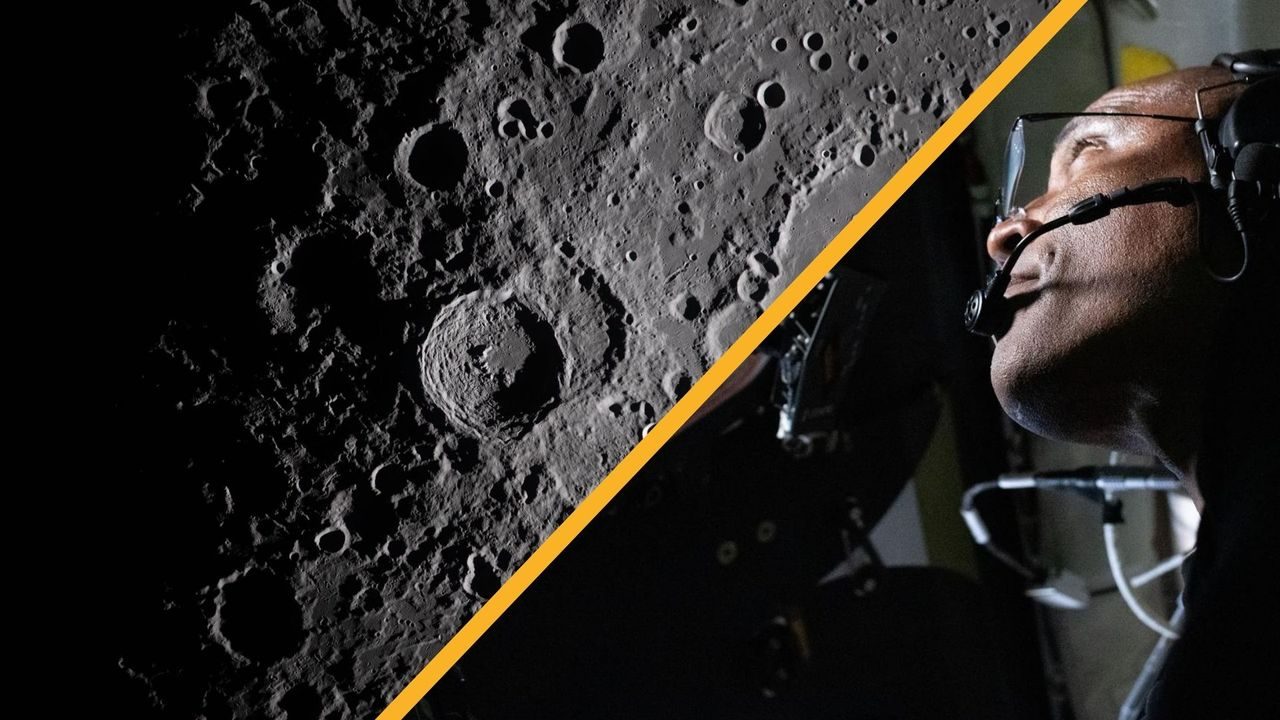
Four brief flashes of light on the lunar surface — spotted by human eyes for the first time from space — sent mission scientists on Earth into what observers described as audible screams of delight. That reaction tells you everything about why what happened on April 6 matters so much to the future of lunar exploration.
During a historic seven-hour close flyby of the moon, the crew of Artemis II reported seeing at least four bright, fleeting flashes on the lunar surface. These were meteorites striking the moon in real time — witnessed by astronauts flying just a few thousand miles overhead. Scientists planning future lunar missions immediately recognized why this was such a significant moment.
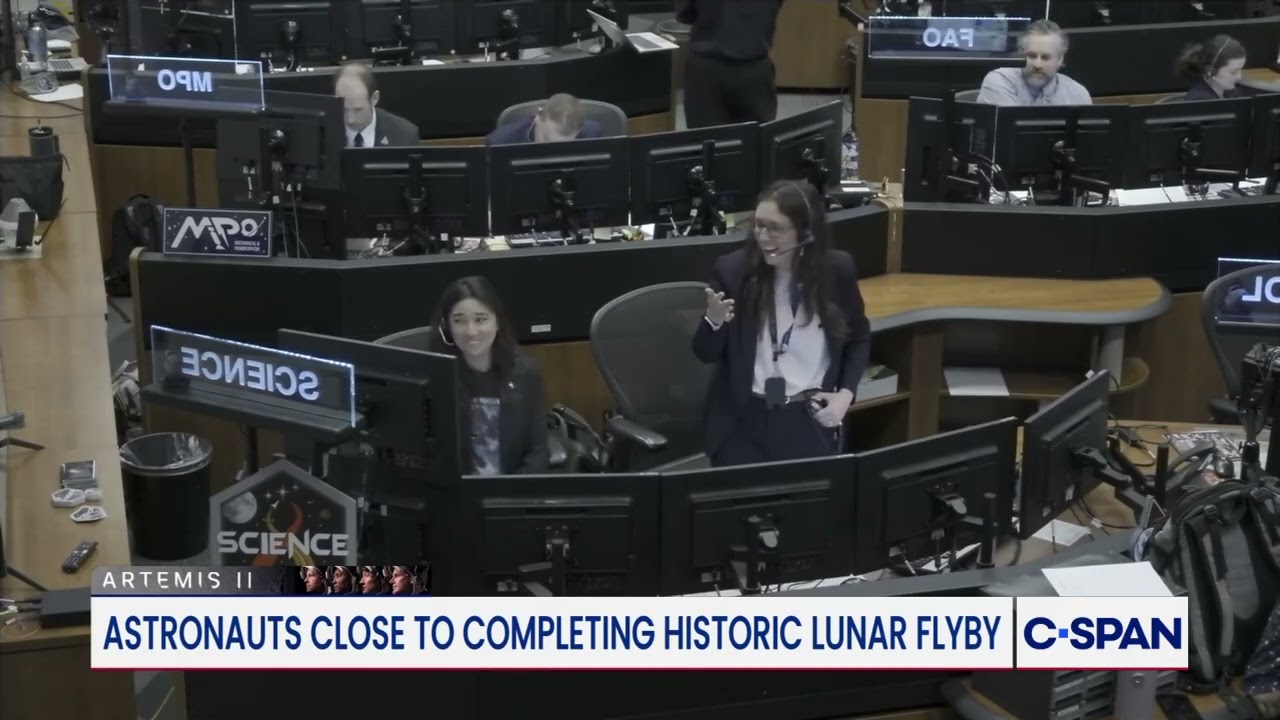

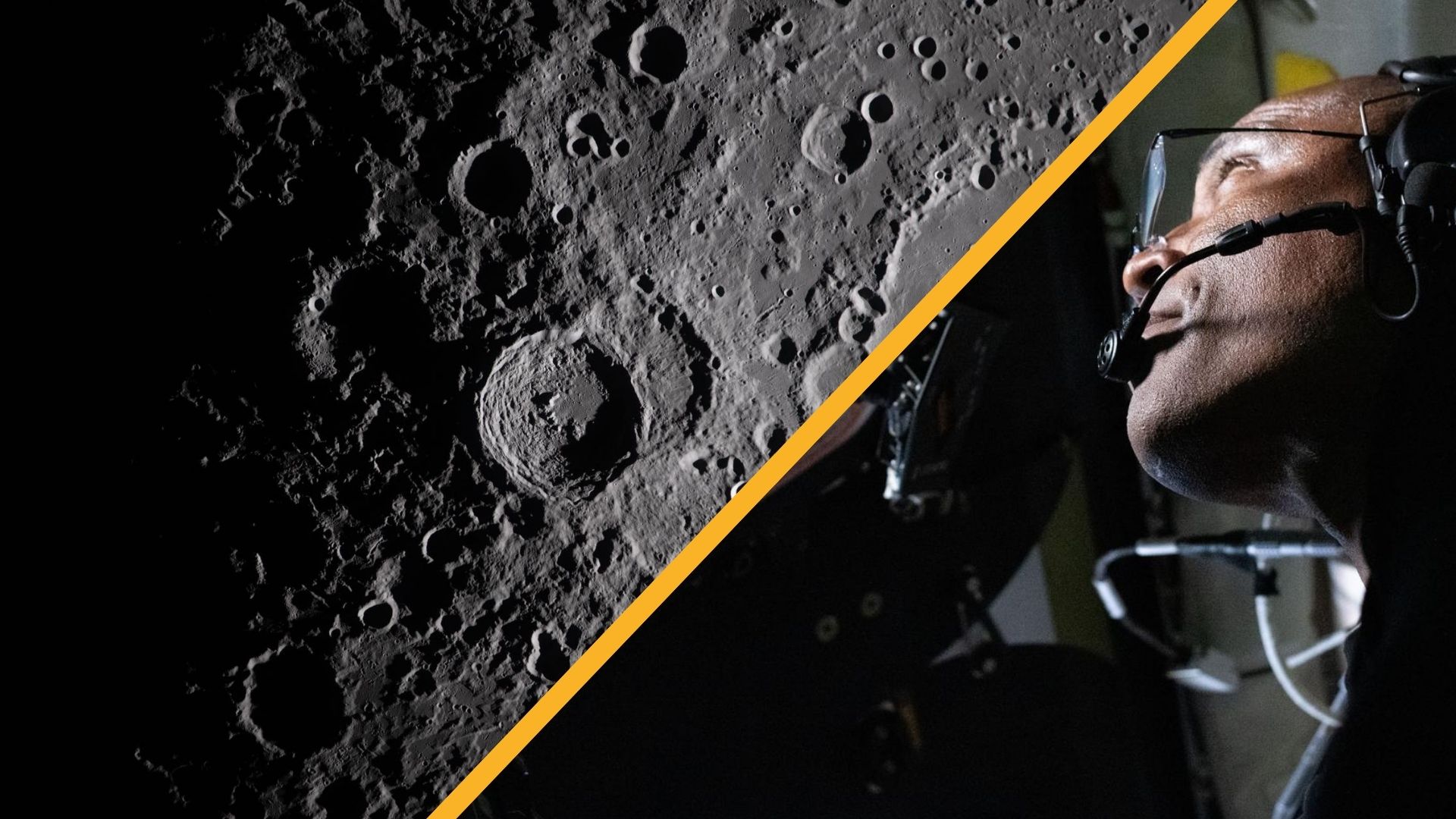
Artemis II pilot Victor Glover was among the crew members who observed the flashes during the flyby. The sightings have sparked genuine scientific excitement, and for good reason: they carry real implications for anyone — or anything — we plan to send to the lunar surface.
What the Artemis II Crew Actually Saw
The moon has no atmosphere to burn up incoming space rocks the way Earth does. When a meteorite hits the lunar surface, it releases energy as a brief, intense flash of light. These impact flashes have been observed before — but from Earth-based telescopes, not from human eyes in space, and certainly not from a crewed spacecraft flying in close proximity to the moon.
What made the April 6 sightings different was the vantage point. The Artemis II crew was close enough, and the conditions were right enough, that crew members could visually detect at least four of these impact events during a single seven-hour window. That is not a routine observation. That is a genuinely rare convergence of timing, proximity, and human presence.
Scientists on the ground were not prepared to be unmoved. The description of “audible screams of delight” from the mission team reflects how unexpected and scientifically valuable this kind of direct human observation was considered to be.
Why Meteor Flashes on the Moon Have Scientists So Excited
The excitement is not purely about the spectacle. Meteorite impacts on the moon pose a direct and serious hazard to future crewed missions — and to any infrastructure, habitats, or equipment placed on the lunar surface. Understanding how frequently they occur, and where, is critical safety information.
Earth’s atmosphere acts as a constant shield, incinerating the vast majority of incoming space debris before it reaches the ground. The moon has no such protection. Every meteorite that reaches the moon hits the surface at full speed, releasing energy and sending debris — called ejecta — scattering across the surrounding area.
For astronauts working on the lunar surface, even a small impact nearby could be dangerous. The ability to observe, study, and eventually predict impact activity is not just scientifically interesting — it is a genuine mission safety concern for the Artemis program, which aims to return humans to the moon and eventually establish a sustained presence there.
Key Facts From the Artemis II Lunar Flyby
| Detail | Information |
|---|---|
| Date of flyby | April 6 |
| Duration of flyby | 7 hours |
| Number of impact flashes spotted | At least 4 |
| Crew member noted in reports | Victor Glover (Artemis II pilot) |
| Altitude during flyby | A few thousand miles above the lunar surface |
| Nature of flashes | Meteorites striking the lunar surface |
- The flashes were described as bright and fleeting
- The observations were made visually by the crew during the close flyby
- Mission scientists on Earth responded with what was described as audible excitement
- The sightings are considered significant for planning future lunar surface missions
What This Means for Anyone Going to the Moon
NASA’s Artemis program has an ambitious roadmap. The goal is not just to visit the moon, but to build toward a sustained human presence there — including potential surface habitats and long-duration missions. That ambition makes impact hazard data more important than it might seem at first.
If meteorite strikes are frequent enough to produce four observable flashes during a single seven-hour window from a passing spacecraft, that raises real questions about the risk environment on the surface. How often do impacts occur near any given location? How large are the typical impactors? How far does ejecta travel? These are not abstract scientific questions — they are engineering and safety inputs for designing lunar habitats, suits, and surface vehicles.
The Artemis II observations give scientists a new and uniquely valuable data point: human eyewitness accounts from close range, during a known time window, under documented conditions. That kind of observation is difficult to replicate from Earth-based instruments and adds a dimension to impact research that ground-based lunar monitoring programs cannot easily provide.
What Comes Next for Lunar Impact Research
The Artemis II flyby was not a landing mission — it was a crewed test flight designed to validate systems ahead of future lunar surface operations. But the incidental scientific observations made during the flyby, including the meteorite impact sightings, are already being absorbed by the scientific community.
Researchers planning future Artemis missions will likely factor impact frequency data into surface operation planning. The question of how to monitor, model, and eventually anticipate impact events on the moon is expected to grow in urgency as crewed surface missions get closer to becoming reality.
For now, the screams of delight from the mission team say something important on their own: science does not always happen on schedule, and sometimes the most valuable discoveries come from simply putting human eyes in the right place at the right time.
Frequently Asked Questions
When did the Artemis II crew spot meteorite flashes on the moon?
The sightings occurred on April 6, during a seven-hour close flyby of the moon.
How many impact flashes did the Artemis II crew see?
The crew reported spotting at least four bright, fleeting flashes caused by meteorites striking the lunar surface.
Who was part of the Artemis II crew during the flyby?
Artemis II pilot Victor Glover is specifically named in reports of the sighting; he was among the crew members present during the historic flyby.
Why do meteorite impacts on the moon produce visible flashes?
Because the moon has no atmosphere to slow or burn up incoming space rocks, meteorites strike the surface at full speed and release energy as a brief, intense flash of light.
Why are scientists so excited about these observations?
Meteorite impacts pose a real safety hazard to future crewed lunar missions, and direct human observations from close range provide valuable data that Earth-based monitoring cannot easily replicate.
Does this affect plans for future moon landings?
The observations are expected to inform safety planning for future Artemis surface missions, though specific mission changes based on these sightings have not yet been confirmed.



Leave a Reply