
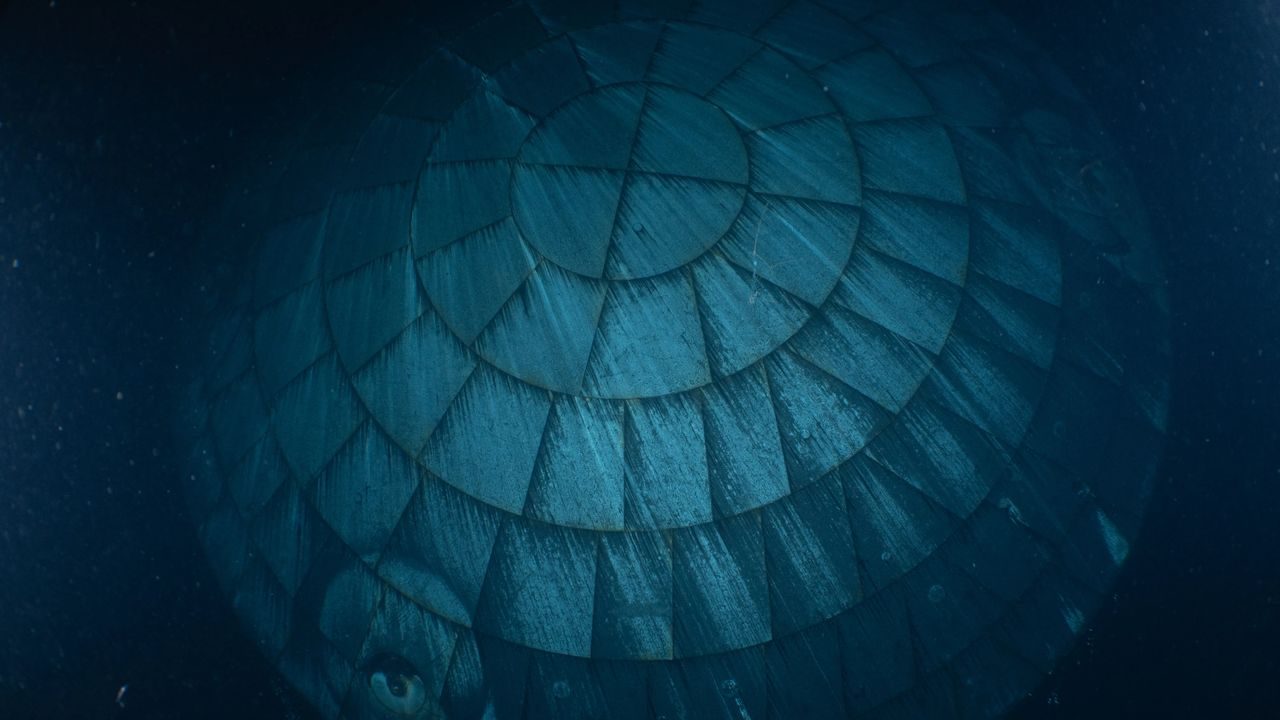
A ghostly underwater photograph taken moments after the Artemis II Orion spacecraft splashed down on April 10 has revealed something engineers desperately needed to see: the heat shield held. And not just barely — it held remarkably well.
Shortly after splashdown, U.S. Navy divers descended beneath the surface to capture imagery of Orion’s underside, giving NASA its first close-up look at how the spacecraft’s most critical protective layer survived the brutal reentry into Earth’s atmosphere. What they found was, by all early accounts, encouraging.
NASA’s preliminary post-splashdown investigation found that Orion’s heat shield suffered minimal char loss, its ceramic tiles were uncracked, and the reflective thermal tape remained intact. For a mission designed to carry astronauts around the Moon — and eventually return them safely to Earth — that result matters enormously.
Why the Artemis II Heat Shield Was Under a Microscope
The heat shield is the single most important safety component on any crewed spacecraft returning from deep space. During reentry, the capsule’s exterior is exposed to temperatures that can exceed those on the surface of the Sun. Without a functioning heat shield, there is no mission — and no crew.
Concerns about Orion’s heat shield performance were not new heading into Artemis II. The uncrewed Artemis I mission in 2022 revealed unexpected and significant charring on the heat shield, with chunks of ablative material — the substance designed to burn away gradually and carry heat with it — breaking off in ways engineers had not anticipated. That finding triggered months of analysis and raised genuine questions about whether the design was ready for crewed flight.
The fact that Artemis II, which carried four astronauts on a lunar flyby mission, came back with a heat shield showing minimal char loss is a direct and meaningful answer to those concerns. Officials have noted that early results suggest the reentry went significantly better than the Artemis I experience, though full analysis of the hardware will take additional time.
What the Underwater Images Actually Show
The photographs captured by U.S. Navy divers just after splashdown on April 10 offer a striking visual document of what the spacecraft endured. Shot beneath the waterline with Orion still floating after its ocean landing, the images show the heat shield’s dark, scorched exterior in eerie detail — hence the description of them as “ghostly.”

Despite the dramatic appearance of a spacecraft that had just survived reentry from lunar trajectory speeds, the structural evidence told a positive story. NASA’s preliminary findings confirmed three key things about the heat shield’s condition:
- Minimal char loss: The ablative material burned away far less than feared, and far less than was observed after Artemis I.
- Ceramic tiles uncracked: The tile layer, which provides additional thermal protection, showed no cracking — a significant structural success.
- Reflective thermal tape intact: The tape, which helps manage heat distribution across the shield’s surface, remained in place and undamaged.
Each of these findings matters independently. Together, they paint a picture of a heat shield that performed close to — or possibly better than — design expectations under real crewed mission conditions.
How Artemis II Reentry Compares to What Engineers Expected
| Heat Shield Component | Concern Heading Into Artemis II | Post-Splashdown Finding |
|---|---|---|
| Ablative material (char loss) | Significant loss seen on Artemis I | Minimal char loss confirmed |
| Ceramic tiles | Risk of cracking under thermal stress | Uncracked |
| Reflective thermal tape | Potential for heat-related delamination | Still intact post-reentry |
The contrast between the Artemis I experience and the Artemis II results is significant. Engineers spent considerable time after the first mission redesigning and reinforcing elements of the thermal protection system. The early data suggests those changes worked.
What This Means for the Astronauts Who Flew — and Those Who Will
Artemis II was not just a hardware test. It carried a crew — four astronauts on a mission that took them around the Moon and back. The heat shield’s performance on their return directly affected their safety, and its confirmed integrity after the fact validates the decision to fly humans on this mission.
But the implications stretch well beyond the four people who just came home. NASA’s Artemis program is ultimately aimed at returning humans to the lunar surface for the first time since 1972. Every crewed mission that follows — including Artemis III, which is planned to actually land astronauts on the Moon — will depend on the same heat shield technology performing reliably.
A heat shield failure or serious degradation on Artemis II would have triggered another round of redesigns and delays, potentially setting the lunar landing goal back by years. The preliminary results from April 10 suggest that scenario has been avoided, at least for now.
What Comes Next in NASA’s Analysis
The underwater imagery and initial post-splashdown inspection represent only the beginning of NASA’s full assessment. Preliminary findings are encouraging, but the agency will conduct a thorough technical review of the recovered hardware before drawing final conclusions about the heat shield’s performance.
That analysis will inform decisions about future Artemis missions, including any further refinements to the thermal protection system. Officials have indicated that the early data is promising, but complete evaluation of all returned components takes time and will be critical to certifying the design for subsequent crewed flights.
For now, the ghostly underwater photo of Orion’s intact underside stands as one of the more quietly dramatic images of the Artemis program — a picture of a spacecraft that survived exactly what it was built to survive.
Frequently Asked Questions
When did the Artemis II spacecraft splash down?
The Orion spacecraft splashed down on April 10, after which U.S. Navy divers immediately captured underwater imagery of the heat shield.
What did NASA find when it inspected the Artemis II heat shield?
NASA’s preliminary investigation found minimal char loss, uncracked ceramic tiles, and intact reflective thermal tape — all positive signs of heat shield performance.
Why were there concerns about the Orion heat shield before Artemis II?
The uncrewed Artemis I mission revealed unexpected and significant charring, with ablative material breaking off in ways that raised questions about the design’s readiness for crewed missions.
Who captured the underwater images of the heat shield?
U.S. Navy divers captured the imagery shortly after the Artemis II splashdown on April 10.
Does this mean the heat shield design is fully approved for future missions?
The preliminary results are encouraging, but NASA will conduct a full technical review of the recovered hardware before making any final determinations about future mission certification.
How hot does a spacecraft get during reentry from lunar distances?



Leave a Reply