
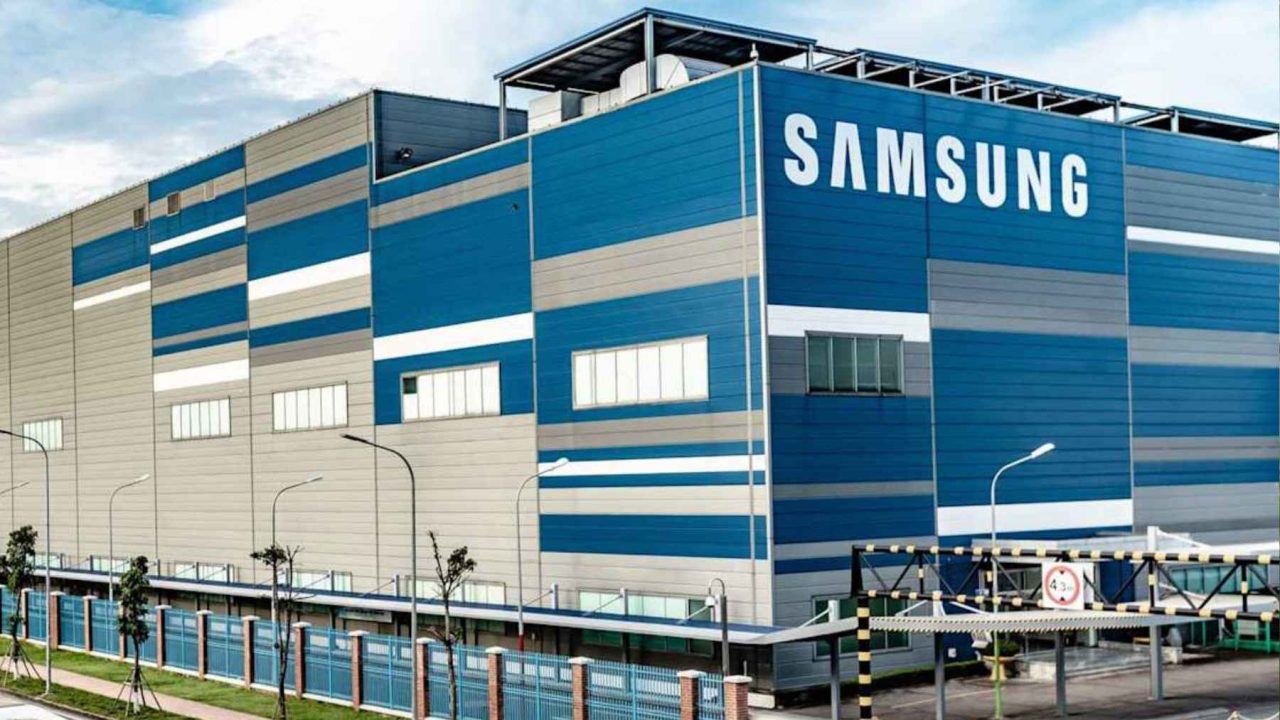
A potential $4 billion investment in a single chip packaging plant is the kind of number that stops people mid-scroll — and for good reason. According to reporting from Bloomberg, cited by Reuters, Samsung Electronics is weighing exactly that kind of outlay for a facility in northern Vietnam, a move that could reshape how the world’s AI hardware gets built and where.
The deal is not confirmed. Samsung did not immediately comment on the reports. But Vietnam’s Ministry of Finance has said it is actively coordinating with other government agencies to submit a memorandum of understanding with Samsung to the country’s Prime Minister. That level of official engagement suggests this is more than idle speculation.
For anyone who uses AI tools, streams video, or owns a smartphone, the outcome of decisions like this one will quietly determine how fast those technologies improve — and at what cost to the places that make them possible.
Why Samsung Is Looking at Vietnam Right Now
The global semiconductor industry is in the middle of a strategic reshuffling. Chip design gets most of the headlines, but the physical steps that follow — testing, packaging, and assembling chips into finished components — have become just as critical to the AI supply chain.
Advanced packaging, once considered a routine final step, is now a competitive battleground. It determines how efficiently chips communicate with each other inside a device, which directly affects AI performance. Companies that control advanced packaging have real leverage in the AI hardware race.
Samsung already has a significant presence in Vietnam. The country is described in the source reporting as already central to Samsung’s manufacturing footprint, making it a logical location to deepen investment rather than start from scratch in an unfamiliar market.
There is also a geopolitical dimension. Spreading semiconductor production across multiple countries reduces dependence on any single region — a priority that has grown sharper as supply chain vulnerabilities became painfully visible in recent years.
What the Reported Samsung Vietnam Deal Actually Involves
Here is what the available reporting confirms, and what remains unverified:
| Detail | Status |
|---|---|
| Reported investment figure | $4 billion (Bloomberg, cited by Reuters — unconfirmed) |
| Type of facility | Chip testing and packaging plant |
| Location | Northern Vietnam |
| Samsung’s official position | No immediate comment |
| Vietnamese government response | Ministry of Finance coordinating MOU submission to Prime Minister |
| MOU status | Not yet finalized or signed |
The distinction between chip fabrication and chip packaging matters here. Fabrication — actually printing transistors onto silicon — requires the most advanced and expensive equipment on earth. Packaging is different: it involves assembling, connecting, and protecting finished chips. But as AI chips grow more complex, the packaging step has become technically demanding enough to be a genuine competitive advantage on its own.
- Advanced packaging allows multiple chips to work together as if they were one, boosting AI processing speeds
- It requires precision engineering and specialized facilities — not just assembly lines
- Control over packaging gives chipmakers more influence over the final performance of AI hardware
- Vietnam’s existing Samsung infrastructure makes it a lower-risk expansion target than a new market
The Part of This Story Most Reports Are Missing
Behind the investment figures and strategic positioning sits a question that rarely makes the headline: what does a $4 billion chip facility actually mean for the communities and environments where it lands?
Semiconductor manufacturing — including testing and packaging — is resource-intensive. These plants consume significant quantities of water and energy, and they generate hazardous chemical waste that requires careful handling. As the source reporting notes, the AI boom depends on physical infrastructure, and that infrastructure has real environmental consequences.
The reporting raises this directly: can the chip industry expand at the pace AI demands without piling carbon emissions, water stress, and hazardous waste onto the regions that host its factories? It is a fair question, and one that Vietnam’s government and Samsung would both need to address as any deal moves forward.
Northern Vietnam is not an industrial blank slate. It already hosts major Samsung manufacturing operations, which means both the infrastructure benefits and the environmental pressures of industrial scale are already part of the local reality. A packaging plant of this reported size would add substantially to both.
Who Pays Attention to a Deal Like This — and Why You Should Too
If you work in tech, finance, or manufacturing, the strategic implications are obvious. But this story reaches further than those industries.
Every AI product — from the chatbot you might use at work to the recommendation engine behind your streaming service — depends on chips that were physically made, tested, and packaged somewhere. The geography of that somewhere is shifting rapidly, and those shifts affect prices, availability, and the speed at which AI capabilities improve.
For Vietnam, a confirmed deal of this scale would represent a major step up the semiconductor value chain. Moving from assembly and basic manufacturing into advanced chip packaging signals a different kind of industrial capability — one that carries more technical complexity and, in theory, more economic value.
For the broader chip industry, it signals that advanced packaging is no longer a secondary concern. It is where billions of dollars in strategic investment are now flowing.
What Happens Next
The immediate next step, based on what has been reported, is the submission of a memorandum of understanding between Vietnam and Samsung to the country’s Prime Minister. Vietnam’s Ministry of Finance confirmed it is coordinating that process with other government agencies.
An MOU is not a contract. It is a formal expression of intent that typically precedes detailed negotiations over terms, incentives, timelines, and regulatory approvals. The gap between an MOU and a shovel in the ground can be months or years.
Samsung has not confirmed the $4 billion figure or any other specifics. Until the company makes an official statement or the MOU becomes public, the reported details remain unverified — significant enough to take seriously, but not yet a done deal.
What is clear is that the race to control AI chip infrastructure is accelerating, and Vietnam has positioned itself as a serious contender for a piece of it.
Frequently Asked Questions
What is Samsung reportedly planning to build in Vietnam?
According to Bloomberg, cited by Reuters, Samsung is considering investing approximately $4 billion in a chip testing and packaging facility in northern Vietnam. Neither the figure nor the project has been officially confirmed by Samsung.
Has Samsung confirmed the $4 billion investment?
No. Samsung did not immediately comment on the reports. The $4 billion figure comes from Bloomberg reporting cited by Reuters and remains unconfirmed.
What is Vietnam’s government doing about this?
Vietnam’s Ministry of Finance said it is coordinating with other government agencies to submit a memorandum of understanding with Samsung to the country’s Prime Minister.
What is chip packaging and why does it matter for AI?
Chip packaging is the process of assembling, connecting, and protecting finished semiconductor chips. Advanced packaging has become strategically important because it affects how efficiently AI chips communicate and perform.
Is this deal finalized?
No. The MOU has not yet been signed or finalized, and Samsung has made no official announcement. An MOU, if completed, would represent a statement of intent rather than a binding agreement.
Does Samsung already operate in Vietnam?
Yes. Vietnam is described in the source reporting as already central to Samsung’s existing manufacturing footprint, which is part of why northern Vietnam is being considered for this expansion.




Leave a Reply