
What if a tiny printed device could speak the same electrical language as your brain? That question just moved significantly closer to a real answer. Engineers have successfully created artificial neurons — printed using a specialized jet printer — that are capable of communicating directly with living mouse brain cells. The research, published on April 15 in the peer-reviewed journal Nature Nanotechnology, marks a meaningful step forward in one of science’s most ambitious pursuits: building technology that truly interfaces with the human brain.
This isn’t science fiction. The artificial neurons are physical, printed devices, and they’ve already demonstrated the ability to “talk” to real biological cells. The implications stretch from next-generation brain implants to an entirely new approach to computing.
For anyone who has followed the slow, often frustrating progress of brain-computer interface technology, this development stands out — not because it solves every problem, but because it addresses one of the most stubborn ones: getting artificial systems and living tissue to actually communicate.
How Scientists Built Artificial Neurons That Communicate With Real Brain Cells
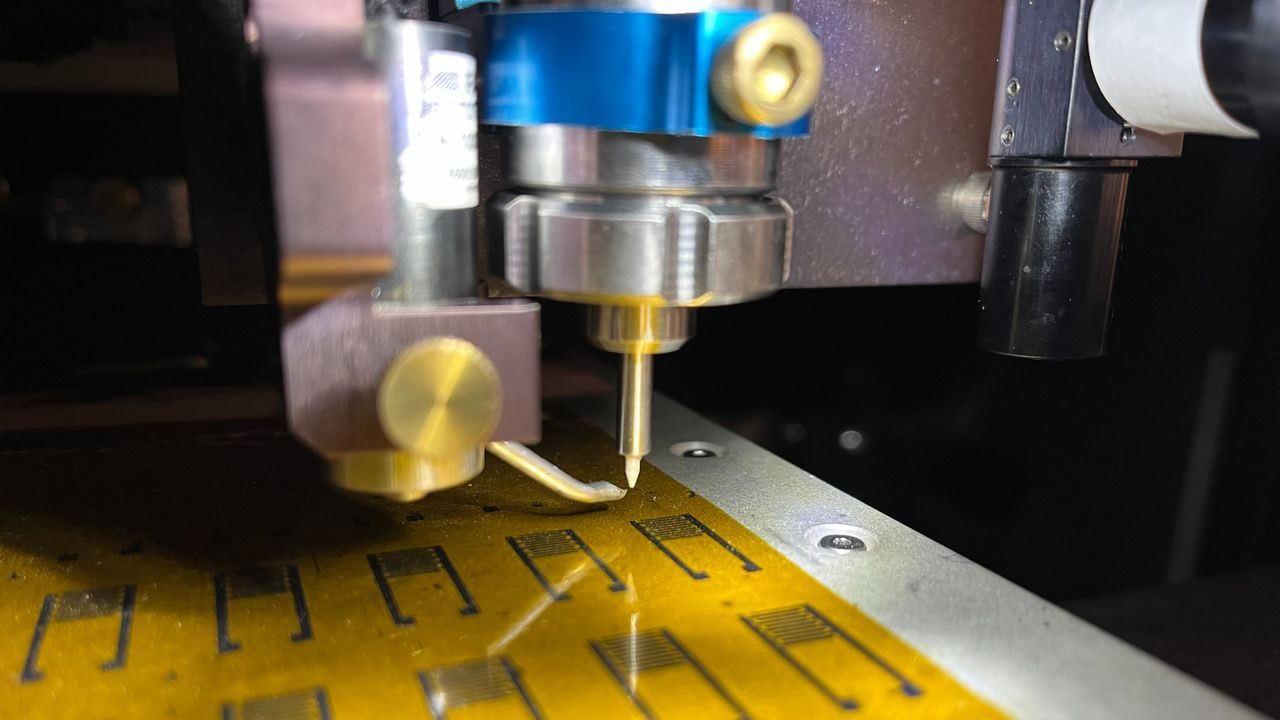
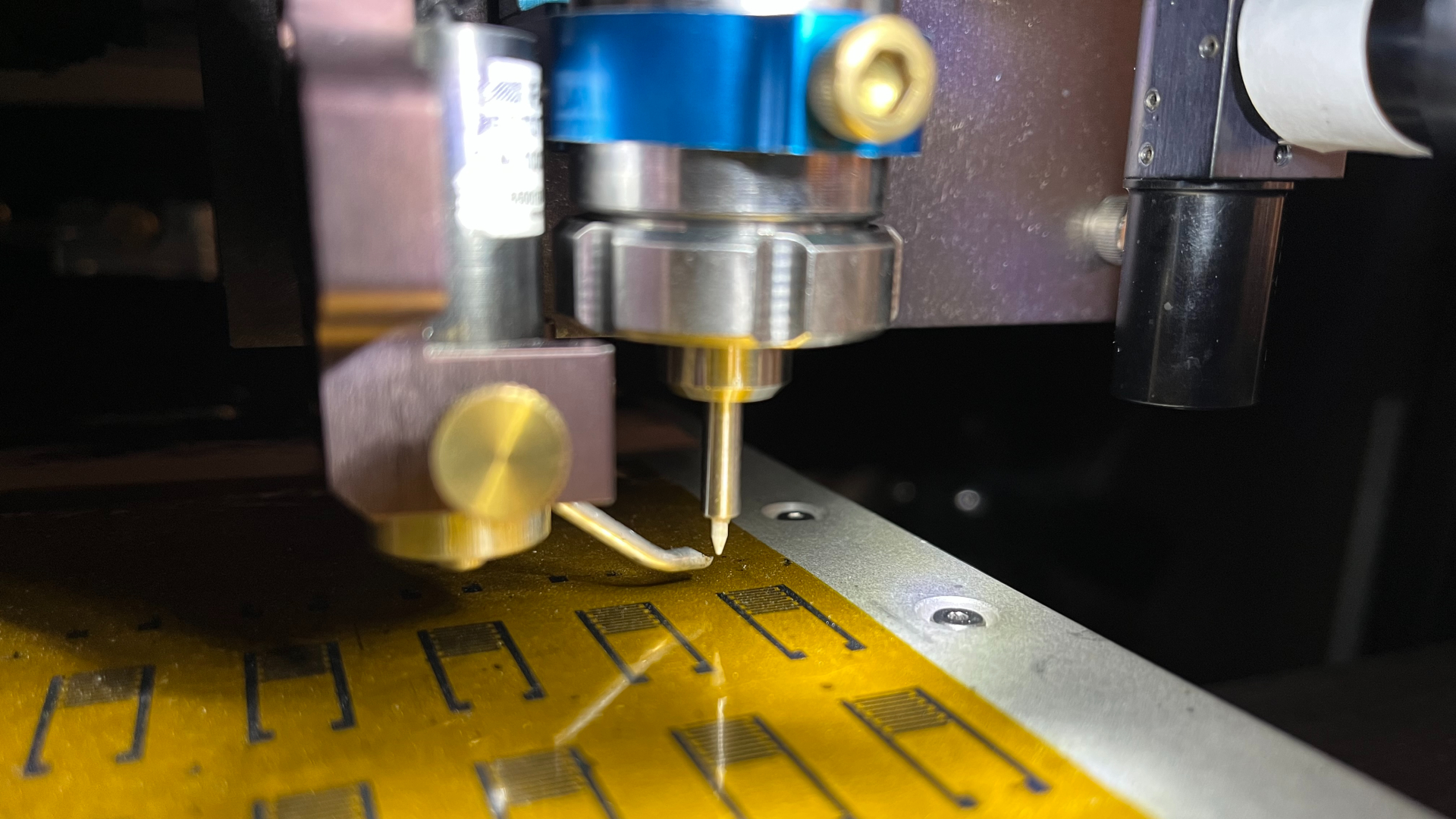
The manufacturing process behind these devices is precise and deliberate. Researchers used an aerosol jet printer to deposit electronic inks onto a flexible polymer substrate — essentially printing the neuron components layer by layer onto a material that can bend and flex rather than crack under pressure.
That flexibility matters enormously. The brain is soft, dynamic tissue. Rigid electronics implanted near or within it can cause damage over time, triggering immune responses and degrading signal quality. A flexible substrate is far more compatible with the mechanical reality of living neural tissue.
The research was conducted at Northwestern University, and the printed artificial neurons were tested against mouse brain cells — a standard model in neuroscience research. The fact that the devices demonstrated the ability to communicate with those cells is what elevates this work beyond a manufacturing curiosity into something with genuine medical and technological relevance.
Why This Research Sits at the Intersection of Medicine and Computing
The work fits into a broader scientific movement sometimes called neuromorphic computing — an effort to build computers and electronic systems that replicate the way biological brains process information. Traditional computers work in rigid binary logic. Brains don’t. They operate through complex, adaptive networks of neurons firing in patterns shaped by experience, chemistry, and context.
Researchers have long believed that if artificial systems could more closely mimic that architecture, the result would be computers that are faster, more energy-efficient, and better at tasks like pattern recognition that currently require enormous processing power.
But there’s a second, more immediately human application here: medical implants. Brain implants are already used to treat conditions like Parkinson’s disease and severe epilepsy. The challenge has always been longevity and precision — getting devices to maintain reliable communication with neurons over years, not just weeks. Artificial neurons that can genuinely interact with real brain cells could dramatically improve how those implants function.
What the Printed Neuron Technology Actually Involves
| Feature | Detail |
|---|---|
| Manufacturing method | Aerosol jet printing |
| Material deposited | Electronic inks |
| Substrate type | Flexible polymer |
| Tested against | Mouse brain cells |
| Published in | Nature Nanotechnology |
| Publication date | April 15 |
| Research institution | Northwestern University |
The use of aerosol jet printing is notable because it allows for fine-scale deposition of materials — precise enough to create structures that can mimic the signaling behavior of neurons. The electronic inks carry the conductive and functional properties needed for the devices to send and receive signals in ways that biological cells can interpret.
Printing on a flexible polymer substrate also means the technology is potentially scalable. Unlike more traditional semiconductor fabrication processes, printing-based approaches can be adapted and iterated more quickly, which matters when you’re trying to match the complexity of something as intricate as neural tissue.
The Real-World Impact for Patients and Technology
For people living with neurological conditions — Parkinson’s, epilepsy, spinal cord injuries, or the effects of stroke — the potential here is direct. Current brain implants face a well-documented limitation: over time, the body’s immune system recognizes the rigid foreign device and begins to wall it off, degrading the quality of the neural signals the implant can read or deliver.
Flexible devices that communicate more naturally with surrounding neurons could extend the useful life of implants and improve their precision. That means better symptom control, fewer revision surgeries, and potentially access to implant-based therapies for patients who currently aren’t good candidates because of the risks involved.
On the computing side, artificial neurons that authentically replicate biological signaling behavior could accelerate the development of neuromorphic chips — processors designed to handle AI workloads with far less energy than today’s data-hungry systems. That has implications not just for tech companies but for the environmental footprint of artificial intelligence at scale.
Where This Research Goes From Here
The publication in Nature Nanotechnology signals that the scientific community has validated this work as credible and significant. But peer-reviewed publication is a beginning, not an endpoint.
The next stages will likely involve testing in more complex biological environments, assessing how well the artificial neurons maintain their communication with real cells over longer periods, and exploring whether the technology can be miniaturized or adapted for specific therapeutic applications. Moving from mouse brain cells in a laboratory setting to a functional human implant involves years of additional research, safety testing, and regulatory review.
Still, the foundation being laid here is real. Printed artificial neurons that speak to living brain cells aren’t a distant theoretical concept anymore — they exist, they’ve been tested, and the results were significant enough to land in one of science’s most respected journals.
Frequently Asked Questions
What are the artificial neurons made of?
They are made by depositing electronic inks onto a flexible polymer substrate using an aerosol jet printer, a process developed at Northwestern University.
Have these artificial neurons been tested in humans?
No. Based on the published research, the artificial neurons were tested with mouse brain cells. Human applications would require extensive additional research and clinical trials.
Where was this research published?
The study was published on April 15 in the journal Nature Nanotechnology.
Why does the flexibility of the substrate matter?
A flexible polymer substrate is more compatible with soft brain tissue than rigid electronics, which can cause damage and immune responses over time when implanted near neurons.
Could this technology improve existing brain implants?
Researchers believe it could pave the way to better brain implants by enabling more natural communication between artificial devices and living neurons, though this has not yet been confirmed in clinical settings.
What field of computing does this research connect to?
The work contributes to neuromorphic computing, a field focused on building computers and electronic systems that mimic the way biological brains process information.




Leave a Reply