
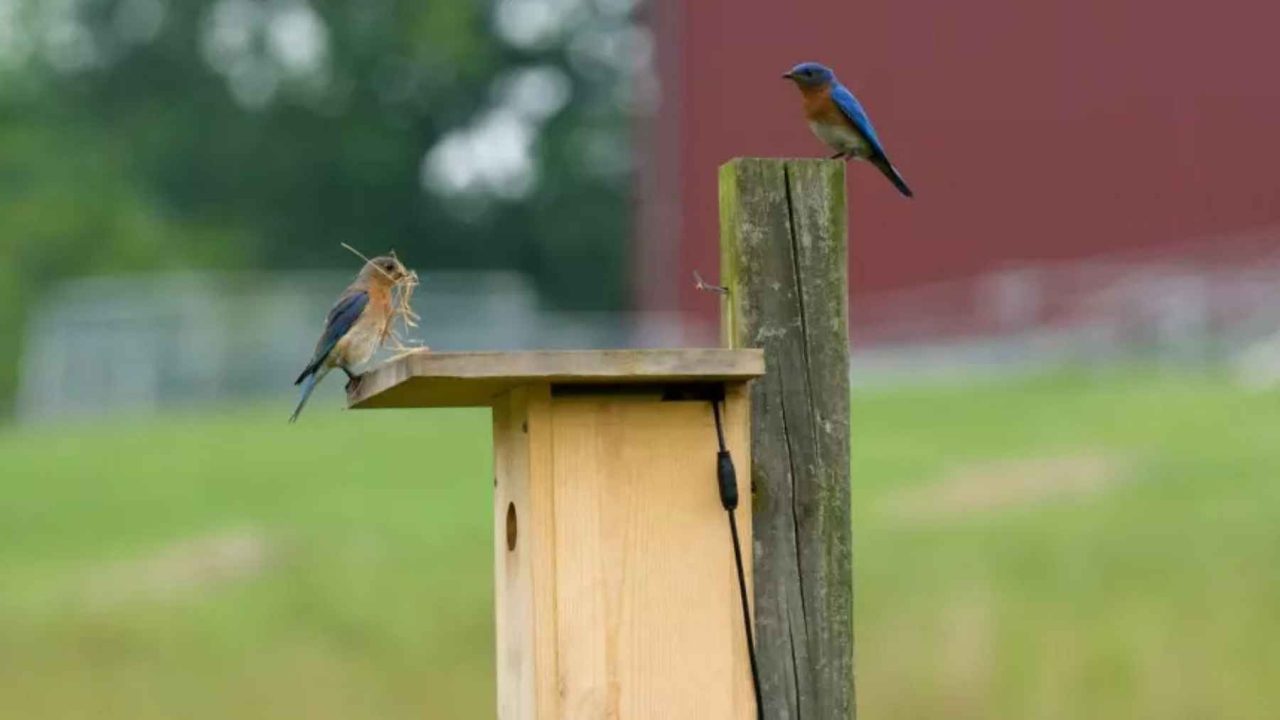
That birdsong drifting through your window in the middle of the afternoon is not random. It is a signal — and it may be telling you something genuinely important about the health of the natural world right outside your door.
Birds do not sing carelessly. Every call costs energy, and a bird that feels threatened or starved does not waste that energy on song. So when you hear singing during the day — not just at dawn, but at noon, in the early afternoon, even as the light starts to soften — it often means something specific: food is available, shelter is nearby, and the bird feels secure enough to spend resources on communication rather than survival.
That detail matters more than it might seem, especially right now. Research described in a February 2026 press release warns that North American bird declines are accelerating, with the sharpest losses tied most directly to intensive agriculture — specifically cropland expansion and chemical inputs. Against that backdrop, the sound of birds singing around your home is not just pleasant. It is a small but meaningful ecological indicator worth paying attention to.
Why Birds Sing During the Day — Not Just at Dawn
Most people associate birdsong with early morning, and the dawn chorus is real and well-documented. But it is only one peak in a much longer daily pattern of vocal activity.
Birds sing throughout the day for several distinct reasons. They use song to defend territory from rivals, to attract and maintain bonds with mates, and to send warnings when a threat is nearby. Daytime singing is not surplus or accidental — it is purposeful communication that continues well past sunrise.
If you hear a bird singing at midday, it may be responding to a neighboring bird that has entered its territory. It may be staying in contact with a partner foraging nearby. Or it may simply be taking advantage of a quieter acoustic window between bursts of human noise — traffic, machinery, construction — that would otherwise drown out its call.
The timing of song also shifts with the season, the weather, and local conditions. A garden that supports singing birds across different hours of the day is one that is offering something real: enough food, enough cover, and enough safety for birds to behave naturally.
What Birdsong Around Your Home Actually Reveals
Hearing birds sing regularly in and around your garden is a form of informal ecological feedback. It suggests your local environment is meeting at least some of the basic requirements that birds need to thrive.
Those requirements are not complicated, but they are increasingly hard to find in many places. Intensive agriculture, urban sprawl, and chemical use have stripped large portions of the landscape of the insects, seeds, and dense vegetation that birds depend on. Where those resources remain — in gardens, hedgerows, parks, and unmowed patches — birds tend to show up and, crucially, to stay.
Daytime singing, in particular, signals something beyond mere presence. A bird that is singing is a bird that is not hiding. It has assessed its surroundings and concluded that the risk of advertising its location is worth taking. That calculation only works out in places where food is reliable and predator pressure is manageable.
The Bigger Picture: Bird Declines and What Is Driving Them
The context behind any individual garden’s bird activity is sobering. According to research highlighted in a February 26, 2026, press release, declines among North American bird populations are not slowing — they are speeding up. The geographic hotspots of decline are most strongly associated with intensive agriculture, including both the physical transformation of land into cropland and the use of chemical inputs like pesticides and herbicides.
This creates a stark divide in the landscape. Areas dominated by industrial-scale farming are becoming increasingly silent. Areas where more varied, less chemically intensive land use persists — including suburban and semi-rural gardens — are holding on to bird populations that have nowhere else to go.
That is part of why the sounds coming from your garden carry more weight than they might have a generation ago. Private green spaces are filling an ecological gap that used to be covered by a much larger and more intact natural landscape.
What the Research Tells Us at a Glance
| Factor | Effect on Bird Populations |
|---|---|
| Intensive agriculture (cropland) | Strongly linked to accelerating declines |
| Chemical inputs (pesticides, herbicides) | Identified as a key driver in hotspot areas |
| Food availability in gardens | Supports singing behavior and sustained presence |
| Shelter and cover in local spaces | Reduces predator pressure, enables daytime song |
| Reduced human noise windows | Creates acoustic space for daytime vocal activity |
What You Can Actually Do With This Information
Knowing that birdsong is an ecological signal rather than background noise changes how you might think about your own outdoor space. Gardens, balconies, and even small patches of unmowed lawn can function as refuges in a landscape that is becoming less hospitable to birds across large areas.
- Dense planting — shrubs, hedges, layered vegetation — provides both shelter and nesting sites that reduce the risk birds feel when singing openly
- Insect-friendly plants support the food supply that makes a garden worth staying in and singing about
- Reducing or eliminating pesticide use removes one of the primary pressures identified in the research on accelerating declines
- Water sources attract birds and extend the time they spend in a given area
- Leaving some areas of a garden wilder and less managed tends to increase the variety of species that visit
None of these steps require large amounts of space or money. What they do require is a shift in how we read the landscape — treating birdsong as information, not decoration.
Frequently Asked Questions
Why do birds sing during the middle of the day, not just in the morning?
Birds sing throughout the day to defend territory, maintain contact with mates, and respond to neighbors — daytime singing is purposeful communication, not surplus behavior.
What does it mean if I hear birds singing regularly around my home?
It generally suggests your local environment is providing enough food, shelter, and safety for birds to feel secure enough to sing, which requires spending energy rather than hiding.
Are bird populations actually declining?
Yes. Research highlighted in a February 26, 2026, press release indicates that North American bird declines are accelerating, with the strongest losses linked to intensive agriculture and chemical inputs.
What is driving the biggest bird population losses?
According to the research referenced in the source, the hotspots of decline are most strongly associated with intensive agricultural land use, including cropland expansion and chemical inputs such as pesticides.
Can a home garden really make a difference for birds?
Gardens can serve as genuine refuges where larger natural habitats have been degraded, particularly by providing food sources, cover, and reduced chemical exposure — though the broader research on this specific question was not detailed in
Is daytime birdsong a reliable sign of a healthy local environment?
It can be a meaningful informal indicator — birds that sing openly during the day have assessed their surroundings as safe enough to do so — but it reflects local conditions rather than being a definitive measure of wider ecosystem health.




Leave a Reply