
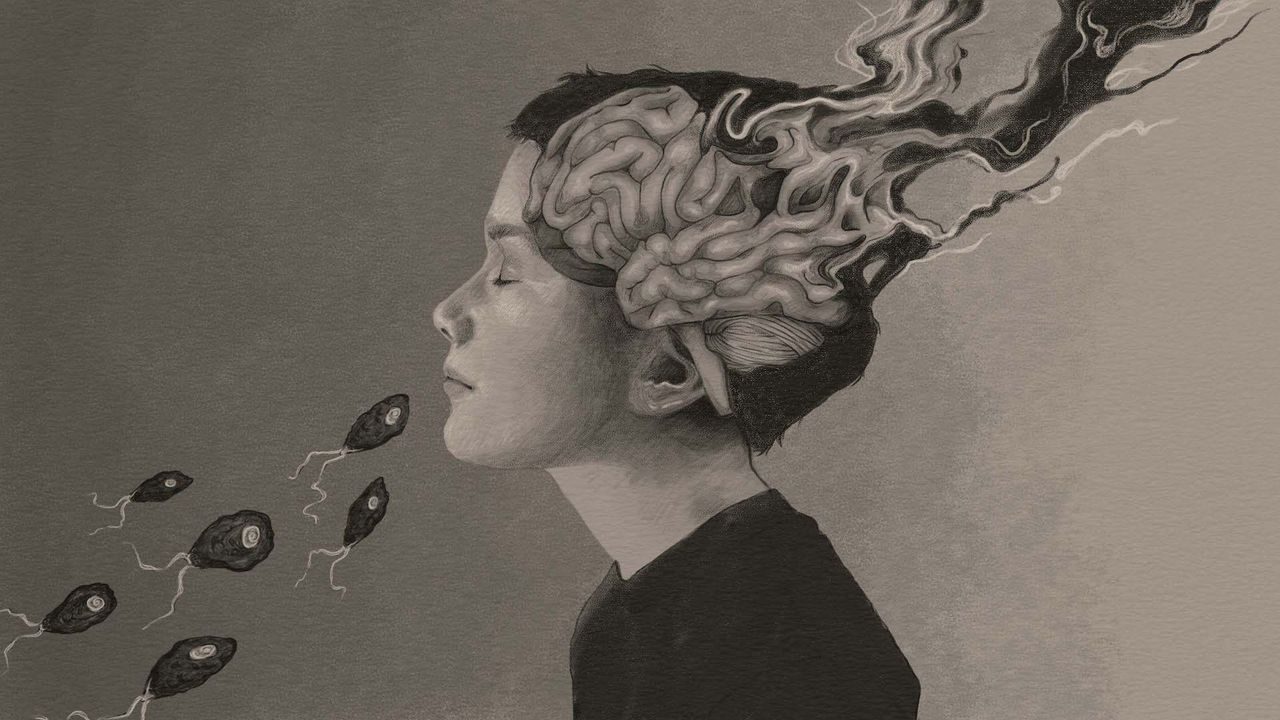
An infection with a “brain-eating” amoeba is one of the most terrifying diagnoses in medicine — and for good reason. These rare but devastating infections are nearly always fatal, killing the vast majority of people they infect within days of symptoms appearing. But new research into experimental treatments is offering something that has been almost nonexistent in this field: genuine hope.
The story of how medicine is beginning to confront this condition starts with cases like that of an 8-year-old boy brought to a San Antonio hospital over a decade ago. He had suffered days of fever, headache, vomiting, and sensitivity to light. His mother had taken him to multiple clinics in Mexico near their home along the Texas-Mexico border, but he kept getting worse. By the time he arrived at the hospital, he was unconscious and unresponsive to sound, light, or any other stimuli. Doctors placed him on a ventilator.
His case illustrates exactly why researchers are now racing to find better treatments — because for most patients who reach that point, there has been almost nothing effective to offer.
What “Brain-Eating” Amoeba Actually Does to the Body
The organism most commonly responsible for these infections is Naegleria fowleri, a microscopic single-celled organism found in warm freshwater environments — lakes, rivers, hot springs, and sometimes poorly maintained swimming pools. It enters the body through the nose, typically when a person swims or dives in contaminated water, then travels along the olfactory nerve directly into the brain.
Once inside, it causes a condition called primary amebic meningoencephalitis, or PAM. The amoeba essentially destroys brain tissue as it spreads. Symptoms begin within one to twelve days of exposure and escalate rapidly — starting with headache, fever, and nausea, then progressing to stiff neck, confusion, seizures, hallucinations, and loss of consciousness.
The speed of the disease is part of what makes it so lethal. From first symptoms to death is often less than a week. Most patients never receive a confirmed diagnosis until after they have died.
Why Treatment Has Been So Difficult — Until Now
For decades, doctors had almost no reliable tools to fight these infections. A handful of antifungal and antiparasitic drugs were sometimes used in combination, but survival remained extraordinarily rare. The infection’s rarity — only a small number of cases are reported in the United States each year — also meant that large clinical trials were essentially impossible to conduct. There simply were not enough patients to study in a traditional research framework.
That rarity, however, does not diminish the urgency. Because the infection is so aggressive and so consistently fatal, even a small improvement in survival rates would represent a significant advance.
Researchers and physicians have been exploring new drug combinations and experimental compounds, working through compassionate use protocols — a pathway that allows patients with life-threatening conditions to access treatments that have not yet received full regulatory approval. This approach has allowed doctors treating individual patients to try newer agents and document the results, slowly building a body of evidence in a disease where evidence has been desperately scarce.
What the Research Is Showing
The emerging picture from recent treatment efforts suggests that combinations of drugs — rather than any single agent — may offer the best chance of survival. Researchers have been paying particular attention to compounds that can cross the blood-brain barrier effectively, since the infection takes hold inside the central nervous system where many medications struggle to reach.
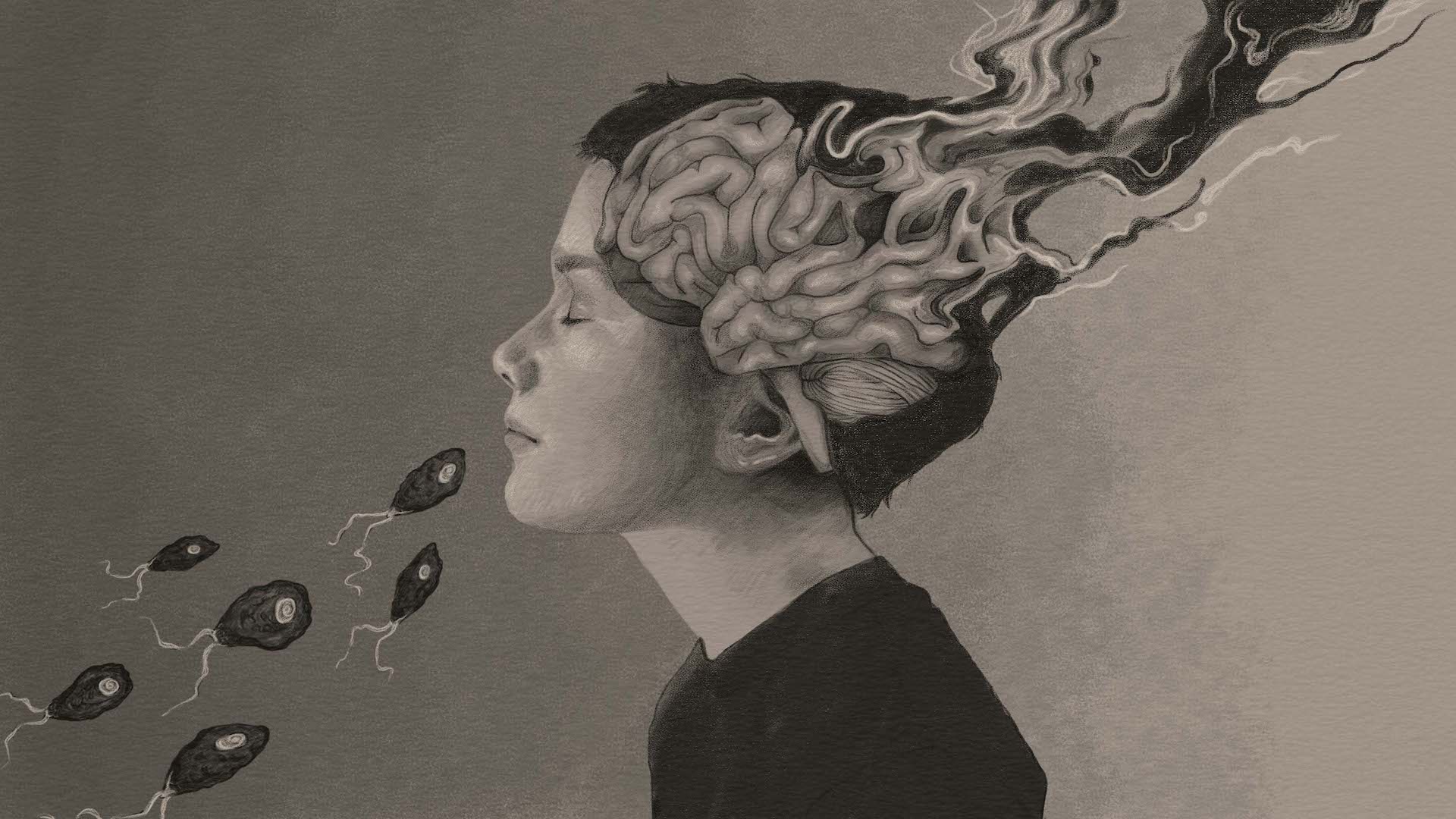
The case of the boy in San Antonio, brought to the hospital unconscious and on a ventilator, represents the kind of extreme clinical scenario that doctors have historically had little to offer. Cases like his have driven the search for new protocols — because the alternative, doing nothing differently, has meant an almost certain death sentence for nearly every patient who contracts the infection.
| Key Facts About Brain-Eating Amoeba Infection | Details |
|---|---|
| Common name | “Brain-eating” amoeba infection |
| Medical name | Primary amebic meningoencephalitis (PAM) |
| Primary organism | Naegleria fowleri |
| Typical entry point | Through the nose, via warm freshwater |
| Survival rate | Nearly always fatal |
| Symptom onset | 1 to 12 days after exposure |
| Treatment approach | Experimental drug combinations; compassionate use protocols |
Who Is Most at Risk and What You Should Know
Most cases occur in the southern United States, particularly during the summer months when water temperatures are highest. Children and young adults tend to be disproportionately represented among patients, likely because they are more likely to swim in freshwater lakes and rivers and more likely to engage in activities — like diving or jumping — that force water up the nasal passage.
- Warm freshwater lakes, rivers, and hot springs carry the highest risk
- The amoeba cannot infect people through swallowing contaminated water — it must enter through the nose
- Cases in the U.S. are rare but occur most often in southern states
- Summer months, when water is warmest, represent peak risk periods
- Nose clips during water activities can reduce exposure risk
It is worth being clear: the absolute number of infections each year remains very small. This is not a widespread public health crisis in terms of case volume. But the near-total fatality rate means that even a single case is a tragedy — and the medical community’s inability to reliably save patients has long been a source of frustration for infectious disease specialists.
What Happens Next in the Search for a Cure
The path forward is likely to involve continued use of compassionate access frameworks, allowing physicians treating individual patients to try newer drug combinations and contribute data to the collective understanding of what works. As more cases are documented with detailed treatment records, patterns may emerge that could eventually inform formal treatment guidelines.
Researchers are also exploring whether drugs already approved for other conditions might be repurposed for PAM — a strategy that has accelerated treatment development in other rare and neglected diseases. The goal is not just to find something that works occasionally, but to develop a reliable protocol that gives patients a fighting chance from the moment the infection is suspected.
For the families of patients like the boy rushed to that San Antonio hospital a decade ago, the stakes could not be more personal. For the researchers working on these treatments, the near-universal fatality of this infection makes the work both urgent and deeply meaningful.
Frequently Asked Questions
What is a “brain-eating” amoeba?
It refers most commonly to Naegleria fowleri, a microscopic organism found in warm freshwater that can enter the body through the nose and cause a devastating brain infection called primary amebic meningoencephalitis (PAM).
How do people get infected?
The amoeba typically enters through the nose during activities in warm freshwater, such as swimming, diving, or jumping into lakes or rivers. It cannot infect people through drinking contaminated water.
Is the infection always fatal?
It is nearly always fatal, with survival being extremely rare. The infection progresses rapidly, often killing patients within days of symptoms appearing.
What new treatments are being explored?
Researchers are investigating combinations of drugs administered through compassionate use protocols, which allow experimental treatments to be tried in life-threatening cases outside of standard regulatory approval pathways.
Who is most likely to be infected?
Cases occur most often in the southern United States during summer months, and children and young adults appear to be disproportionately affected, likely due to their swimming habits and behaviors in freshwater.
Can you prevent infection?
Avoiding warm freshwater activities, particularly in southern states during summer, reduces risk. Using nose clips while swimming in freshwater can also help prevent the amoeba from entering through the nasal passage.




Leave a Reply