
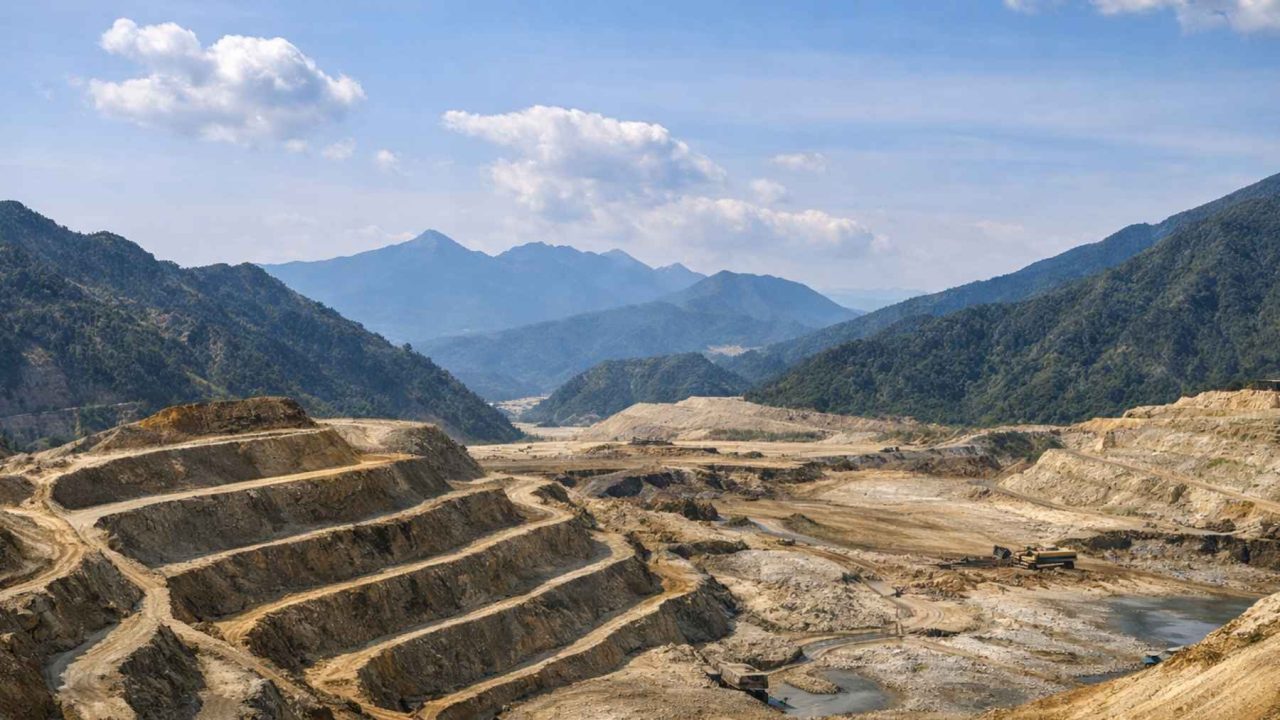
China just confirmed it is sitting on an additional 10.7 million metric tons of rare earth oxides in a single mining area — and that number alone is enough to reshape the global race for electric vehicles, wind turbines, and military-grade drones for decades to come.
The announcement came from China’s Ministry of Natural Resources, citing survey results from the Maoniuping mining area in Mianning County, Sichuan province. The discovery was reported by Xinhua, China’s state news agency, and it arrives at a moment when the world is already scrambling to secure the raw materials that power the green energy transition.
If you’ve ever charged an electric car, used a smartphone, or stood near a wind turbine, rare earths were part of making that possible. The question now is who controls them — and what that means for everyone else.
What China Actually Found — and Why Sichuan Matters
The Maoniuping mining area isn’t a new name in this story. It’s already one of China’s most significant rare earth production zones. What the Ministry of Natural Resources announced is a newly identified resource within that area — a confirmed deposit of approximately 10.7 million metric tons of rare earth oxides.
But the announcement didn’t stop there. The same survey identified two other minerals at what officials described as “super-large-scale” deposits:
- Fluorite: approximately 29.9 million metric tons
- Barite: approximately 41.0 million metric tons
Fluorite and barite don’t get the same headlines as rare earths, but they are essential to steel manufacturing, oil drilling, and chemical production. Finding all three together in one region signals that Sichuan is becoming an even more strategically important part of China’s industrial resource base.
The rare earth oxides are the part of this story that carries the most geopolitical weight. These materials — which include elements like neodymium, praseodymium, and dysprosium — are the backbone of the permanent magnets used in EV motors and wind turbines. No viable large-scale substitute currently exists for the highest-performance applications.
The Three Minerals Confirmed in Sichuan
| Mineral | Confirmed Volume (metric tons) | Primary Industrial Use |
|---|---|---|
| Rare Earth Oxides | ~10.7 million | EV motors, wind turbines, defense electronics |
| Fluorite | ~29.9 million | Steel production, chemical manufacturing |
| Barite | ~41.0 million | Oil and gas drilling, medical imaging |
All figures above are converted from metric figures in the original announcements, reported in U.S. short tons by the source.
Why This Reignites the “Neodymium Rush”
Neodymium is the rare earth element at the center of the modern electrification story. It’s the key ingredient in neodymium-iron-boron magnets — the most powerful permanent magnets available — and those magnets are inside virtually every EV motor and direct-drive wind turbine on the planet.
The term “neodymium rush” captures something real: countries and corporations are competing intensely to lock in supply chains for this material, knowing that whoever controls it has significant leverage over how quickly the world can build out clean energy infrastructure and next-generation military hardware, including drones.
China already dominates global rare earth production and processing. This new confirmation in Sichuan reinforces that position. Advocates for supply chain diversification argue that announcements like this one underscore the urgency of developing rare earth sources outside Chinese territory. Critics of current Western policy contend that years of underinvestment in domestic mining and processing have left countries like the United States and those in the European Union dangerously exposed.
The stakes are not abstract. Officials and analysts have repeatedly noted that the number of electric vehicles the world can build over the next 20 years is directly tied to how much of these materials can be reliably sourced and processed.
The Environmental Tension Nobody Wants to Ignore
There is a tension at the heart of every rare earth discovery that deserves to be stated plainly: the materials needed to build a cleaner energy future are extracted through processes that carry serious environmental costs.
Rare earth mining is associated with significant impacts on water quality, soil health, and radioactive waste management — particularly because rare earth deposits are often found alongside thorium and uranium. “
That tension is now front and center again with this Sichuan announcement. Expanding production at Maoniuping or developing adjacent deposits will require careful scrutiny of how those operations are managed — and whether environmental standards keep pace with the scale of extraction being considered.
Supporters of accelerated mining point to the climate math: the long-term environmental benefit of electrification outweighs the localized damage of extraction. Opponents argue that damage to communities near mining sites is real, immediate, and often irreversible — and that the people bearing those costs rarely share in the benefits.
What Happens Next in the Global Race for Rare Earths
China’s announcement will almost certainly accelerate activity on several fronts simultaneously. Governments in the United States, European Union, Australia, and Canada have been investing in rare earth exploration and processing capacity, but none have come close to matching China’s integrated supply chain — from mine to magnet.
The Sichuan confirmation adds volume to China’s known reserves at a moment when export controls and trade tensions are already making rare earth access a live policy issue. How other nations respond — through new mining permits, diplomatic agreements, or processing investments — will shape the pace of EV adoption and renewable energy buildout globally.
For now, the world knows that one mining area in one Chinese province just added a supply of rare earth oxides large enough to sustain years of industrial demand. Whether that supply translates into broader access or tighter control remains the defining question.
Frequently Asked Questions
Where exactly was the rare earth deposit found?
The deposit was confirmed in the Maoniuping mining area in Mianning County, Sichuan province, China, according to China’s Ministry of Natural Resources.
How large is the newly confirmed rare earth oxide deposit?
The confirmed resource totals approximately 10.7 million metric tons of rare earth oxides, as reported by Xinhua based on the Ministry of Natural Resources announcement.
What other minerals were found alongside the rare earths?
The same survey identified approximately 29.9 million metric tons of fluorite and approximately 41.0 million metric tons of barite, both described as “super-large-scale” deposits.
Why does this matter for electric vehicles and wind turbines?
Rare earth oxides are essential for producing the permanent magnets used in EV motors and wind turbines, meaning the available supply directly affects how many of these technologies can be built globally.
What are the environmental concerns with expanding rare earth mining?
Rare earth mining can have significant impacts on water quality, soil health, and waste management, and
Will this discovery make rare earths more available to other countries?
This has not yet been confirmed. Whether the newly identified resources will increase global access or remain under tight Chinese export controls is an open geopolitical question.


Leave a Reply