
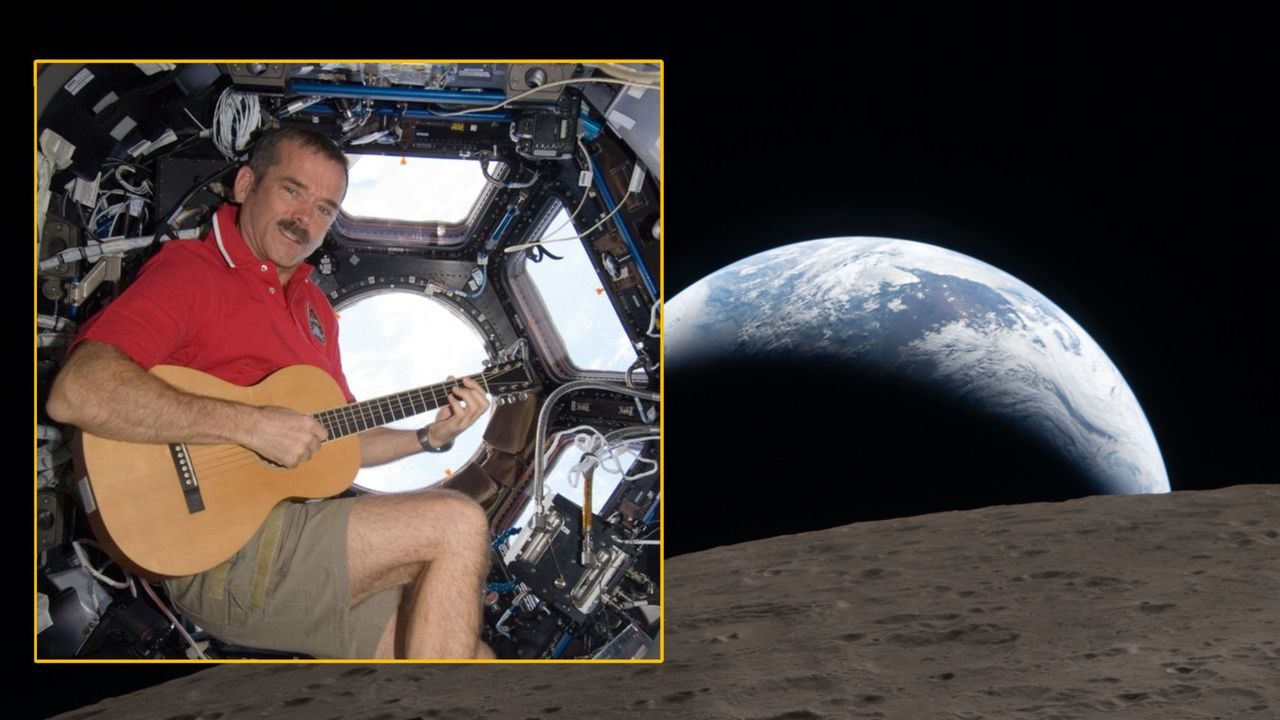
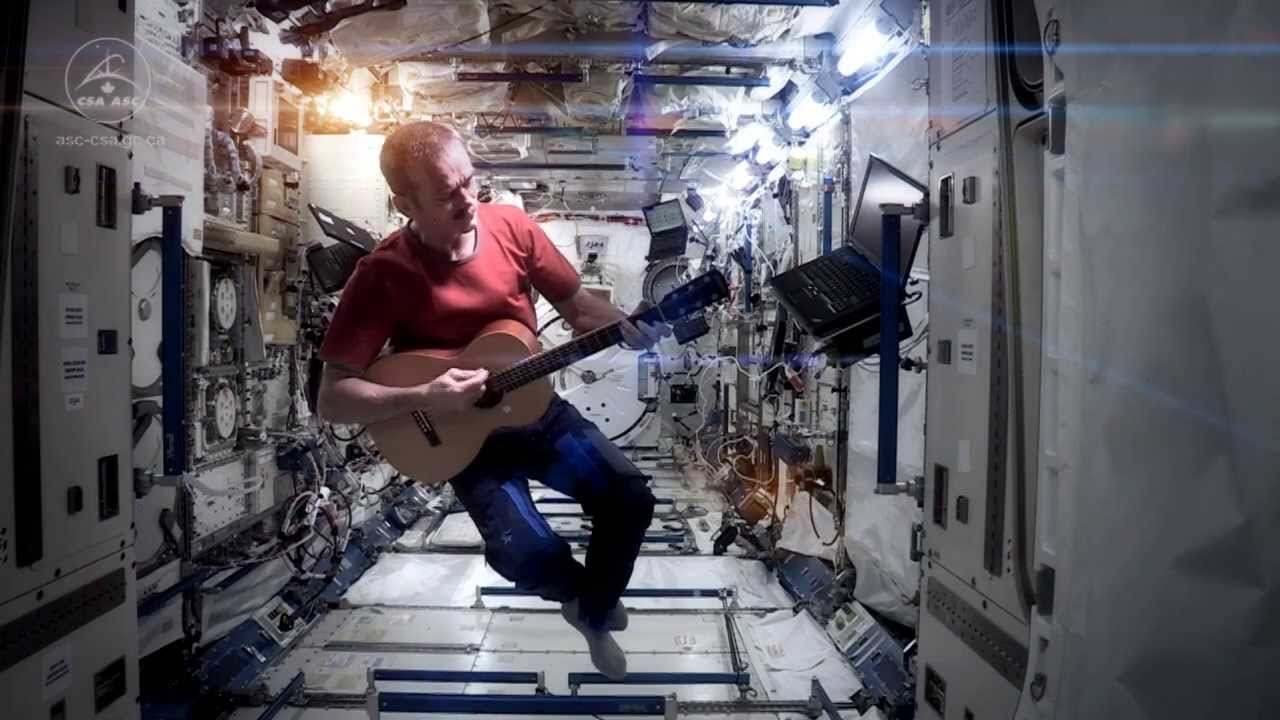
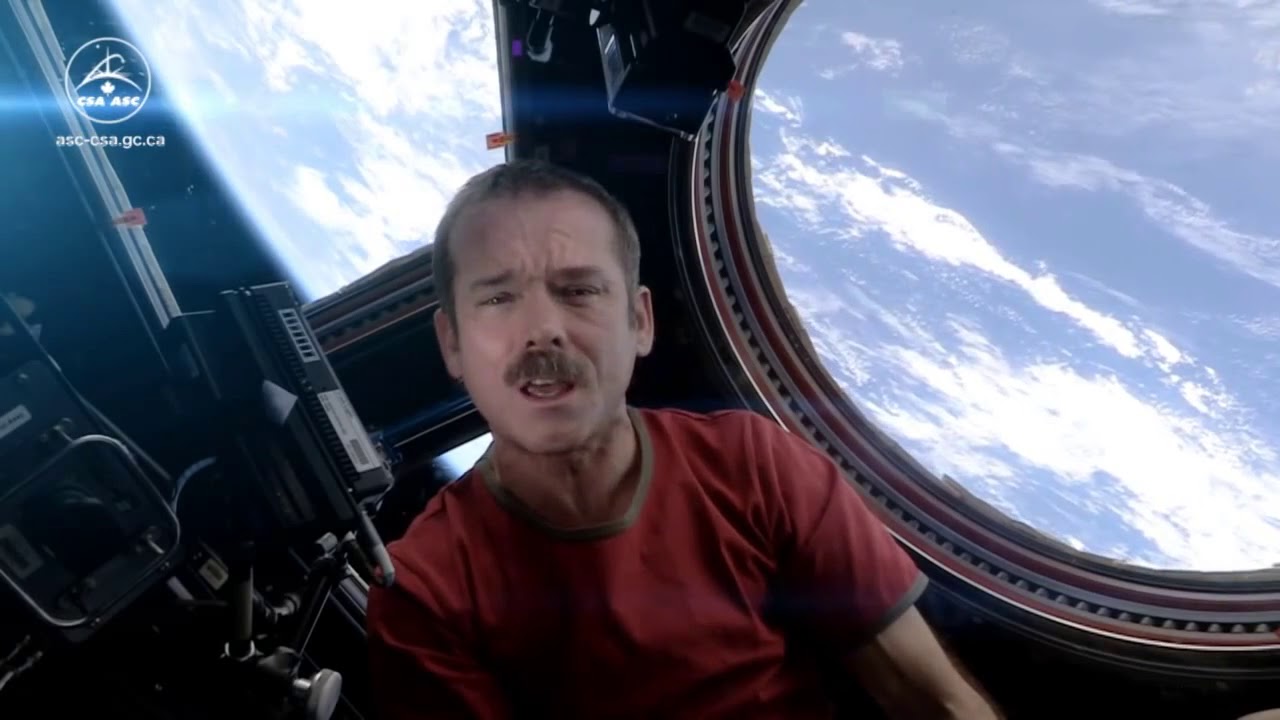
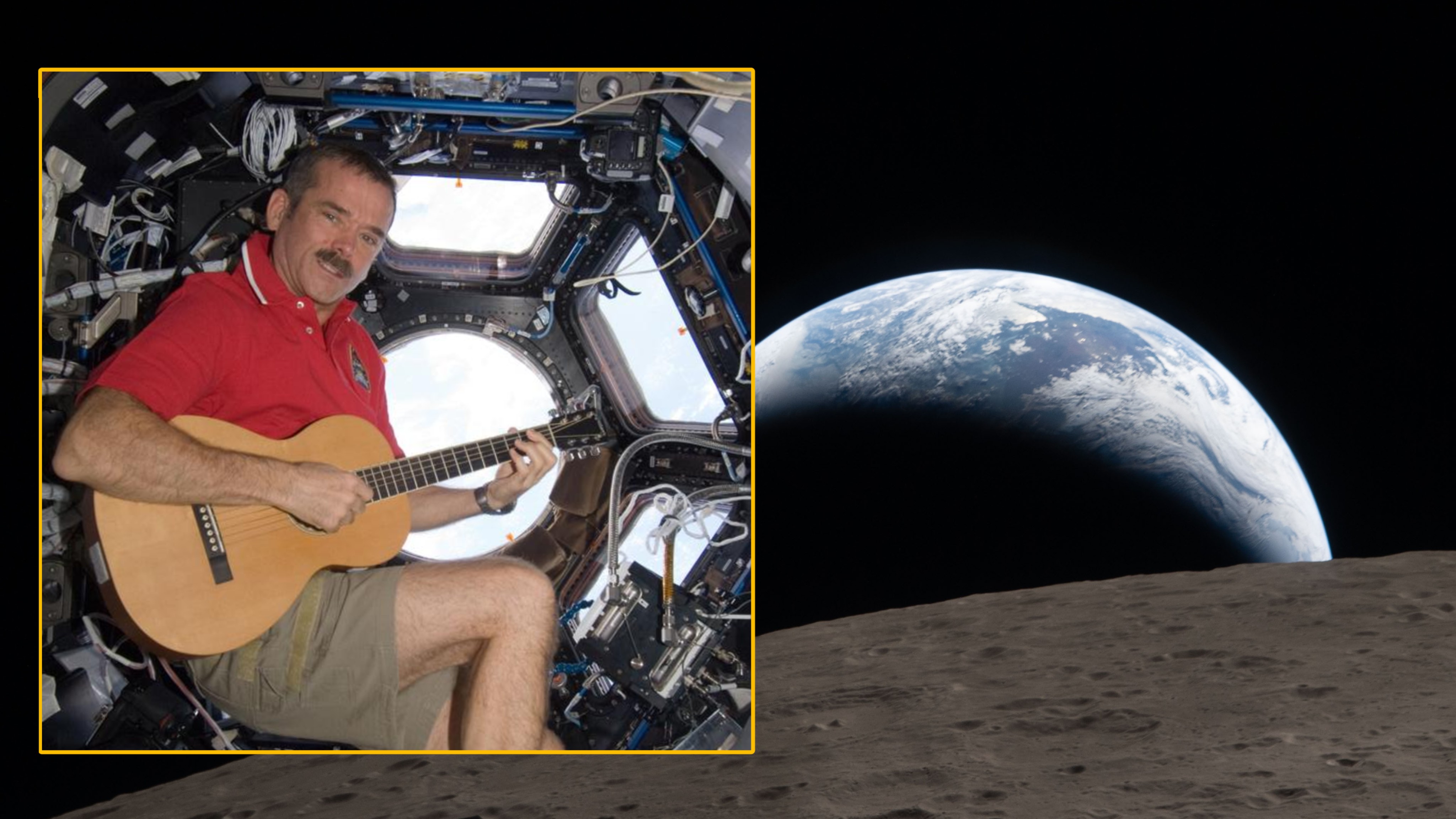
What does a retired astronaut think humanity needs most on the moon? According to Chris Hadfield — the Canadian Space Agency legend who once played David Bowie’s “Space Oddity” aboard the International Space Station — the answer might surprise you: a guitar.
As NASA presses forward with its Artemis program and lays the groundwork for a permanent human presence on the lunar surface, Hadfield has been reflecting on what it all means — not just scientifically or strategically, but emotionally and culturally. His perspective cuts through the technical noise in a way that few voices in the space community can.
And with the Artemis II mission now complete, the conversation about what comes next for human spaceflight has never felt more urgent — or more human.
Why Artemis II Hit Hadfield Harder Than He Expected
Chris Hadfield is not someone easily moved by space milestones. He has lived them. He commanded the International Space Station, conducted spacewalks, and became one of the most recognizable astronauts of his generation. But by his own account, Artemis II landed differently.
The mission — which sent a crew around the moon — represented the first time humans had traveled to lunar distance in decades. For someone like Hadfield, who has spent a career advocating for the value of human spaceflight, watching that happen clearly stirred something deep.
His reaction speaks to a broader truth about what these missions do beyond the engineering: they remind people, collectively, that humanity is still reaching outward. That ambition hasn’t been quietly retired.
The Argument for Keeping Humans in Space — and Why It’s Not Just About Science
Hadfield has long argued that human spaceflight serves a purpose that goes well beyond data collection or geopolitical competition. In his view, missions like Artemis II function as what he has described as “strong, undeniable public examples of something positive.”
That framing matters. At a time when public trust in institutions is fragile and cynicism about collective achievement runs high, a crewed mission to the moon — broadcast, shared, celebrated — becomes something different from a technical accomplishment. It becomes proof of concept for human cooperation and ambition at the largest possible scale.
Hadfield’s perspective is that spaceflight, done right, doesn’t just push the boundaries of what’s possible. It shifts what people believe is possible. And that psychological shift has real-world consequences that extend far beyond the aerospace industry.
A Guitar on the Moon — The Case for Culture in Space
Here’s where Hadfield’s thinking gets genuinely interesting. As NASA works toward building a permanent human habitat on the moon, Hadfield is already thinking about what the settlers who live there will need — not just to survive, but to thrive.
His answer, at least in part, is music. Specifically, a guitar.
“We keep a guitar on the International Space Station … and as we start to settle the moon over the next…”
The quote, though incomplete in the available source material, captures an idea that Hadfield has championed throughout his career: that culture, creativity, and human expression are not luxuries to be added after the basics are sorted. They are part of the basics. A community — even one living on another world — needs art, music, and shared experience to function as a community.
It’s a perspective that tends to get crowded out by the hardware conversations. Rocket specs, life support systems, radiation shielding — these dominate the planning documents. But Hadfield is making the case that the humans inside those systems need more than oxygen and calories. They need the things that make life feel worth living.
What We Know About the Artemis Program’s Next Steps
The Artemis program represents NASA’s most ambitious human spaceflight effort since Apollo. With Artemis II now complete, the agency is focused on building toward a sustained lunar presence — not just flags-and-footprints visits, but infrastructure, habitats, and long-duration stays.
| Milestone | Status | Key Detail |
|---|---|---|
| Artemis II | Complete | First crewed mission to lunar distance in decades |
| Permanent Lunar Habitat | In planning | NASA pushing ahead with long-term settlement goals |
| Guitar on the ISS | Ongoing tradition | Instrument kept aboard as part of crew well-being |
| Lunar settlers (future) | Not yet confirmed | Hadfield advocates for cultural provisions including music |
The broader vision, as Hadfield frames it, is one of genuine settlement — not temporary exploration. That distinction changes everything about how planners need to think about the human experience on the moon.
Why This Conversation Matters Right Now
It would be easy to dismiss Hadfield’s guitar argument as a charming quirk from a famously musical astronaut. But the underlying point is serious and worth sitting with.
The history of human settlement — on Earth, in extreme environments, in isolated outposts — consistently shows that communities without cultural outlets deteriorate in ways that go beyond morale. Creativity and expression are functional needs, not decorative ones.
If NASA and its international partners are genuinely planning for people to live on the moon for extended periods, then the question of what those people do with their evenings, how they mark milestones, how they grieve and celebrate and connect — those questions need to be part of the planning conversation now, not retrofitted later.
Hadfield, having lived in space, understands this from the inside. His advocacy for sending a guitar to the moon isn’t whimsy. It’s experience speaking.
Frequently Asked Questions
Who is Chris Hadfield?
Chris Hadfield is a retired Canadian Space Agency astronaut who is widely known for commanding the International Space Station and for playing guitar aboard the ISS, including a celebrated performance of David Bowie’s “Space Oddity.”
What was the Artemis II mission?
Artemis II was a NASA crewed mission that sent astronauts to lunar distance — the first time humans had traveled that far from Earth in decades. The mission has now been completed.
Why does Hadfield want a guitar sent to the moon?
Hadfield argues that as humanity begins to settle the moon, cultural and creative provisions — like musical instruments — are essential to human well-being, not optional extras. The ISS already keeps a guitar on board for this reason.
What is NASA planning after Artemis II?
According to available reporting, NASA is pushing ahead with plans to build a permanent human habitat on the moon, moving toward sustained lunar settlement rather than short-term exploration missions.
What does Hadfield mean by “strong, undeniable public examples of something positive”?
Hadfield has used this phrase to describe what crewed spaceflight missions like Artemis II represent to the public — visible, collective proof that human ambition and cooperation can produce something genuinely inspiring.</p



Leave a Reply