
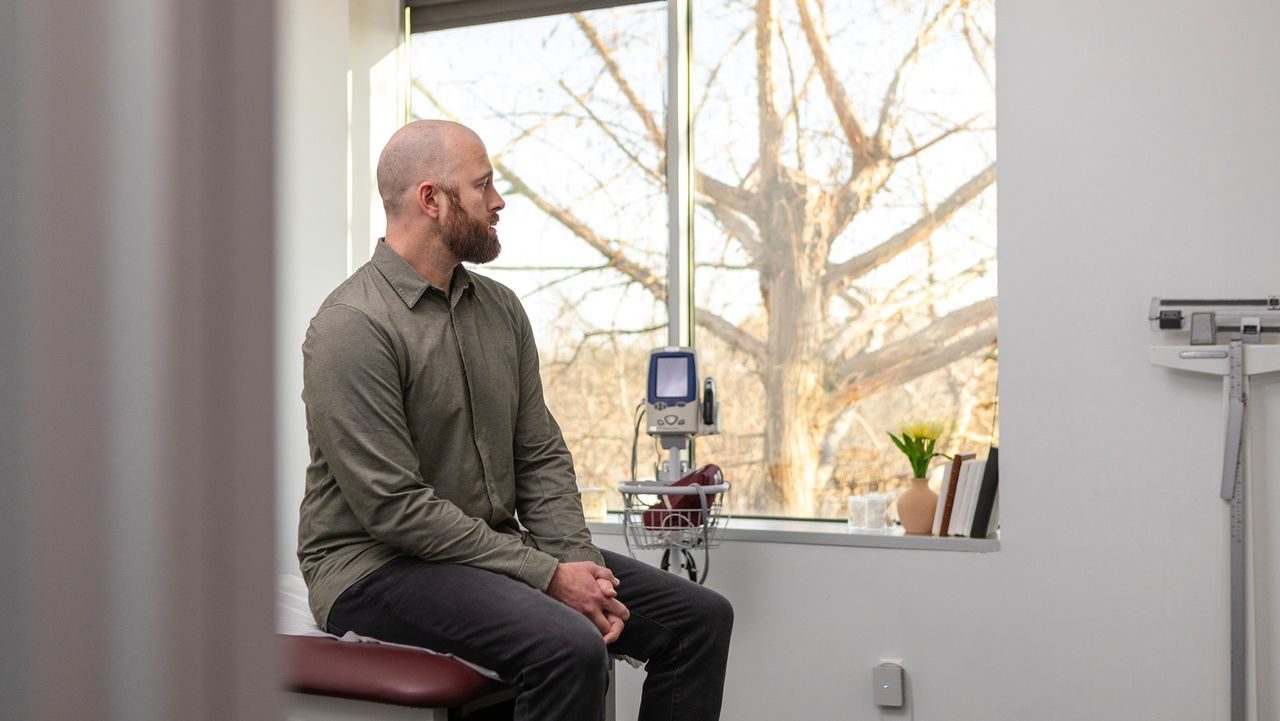
Colorectal cancer is supposed to be a disease of aging — something people worry about after 50, not before. But that assumption is quietly being dismantled by a troubling trend that has doctors and researchers across the country searching for answers.
While colorectal cancer rates are falling in older adults, they are rising in people under 50. It’s a strange, counterintuitive split that scientists are still working to explain — and for the younger patients caught in the middle, the consequences are often devastating.
The gap matters not just statistically, but practically. Younger people tend to go longer between first experiencing symptoms and actually receiving a diagnosis. That delay means most of their cancers are found at a late stage, when treatment is harder and outcomes are worse.
A Divergence That Doctors Didn’t See Coming
For decades, colorectal cancer prevention focused heavily on older populations — and with good reason. Age has long been one of the strongest known risk factors. Routine screening guidelines were built around that reality, with most recommendations historically starting at age 50.
But the data has been shifting in a direction no one expected. Older adults are benefiting from improved screening, earlier detection, and better awareness. Meanwhile, a younger generation is seeing rates climb in ways that don’t fit the traditional picture of who gets this disease.
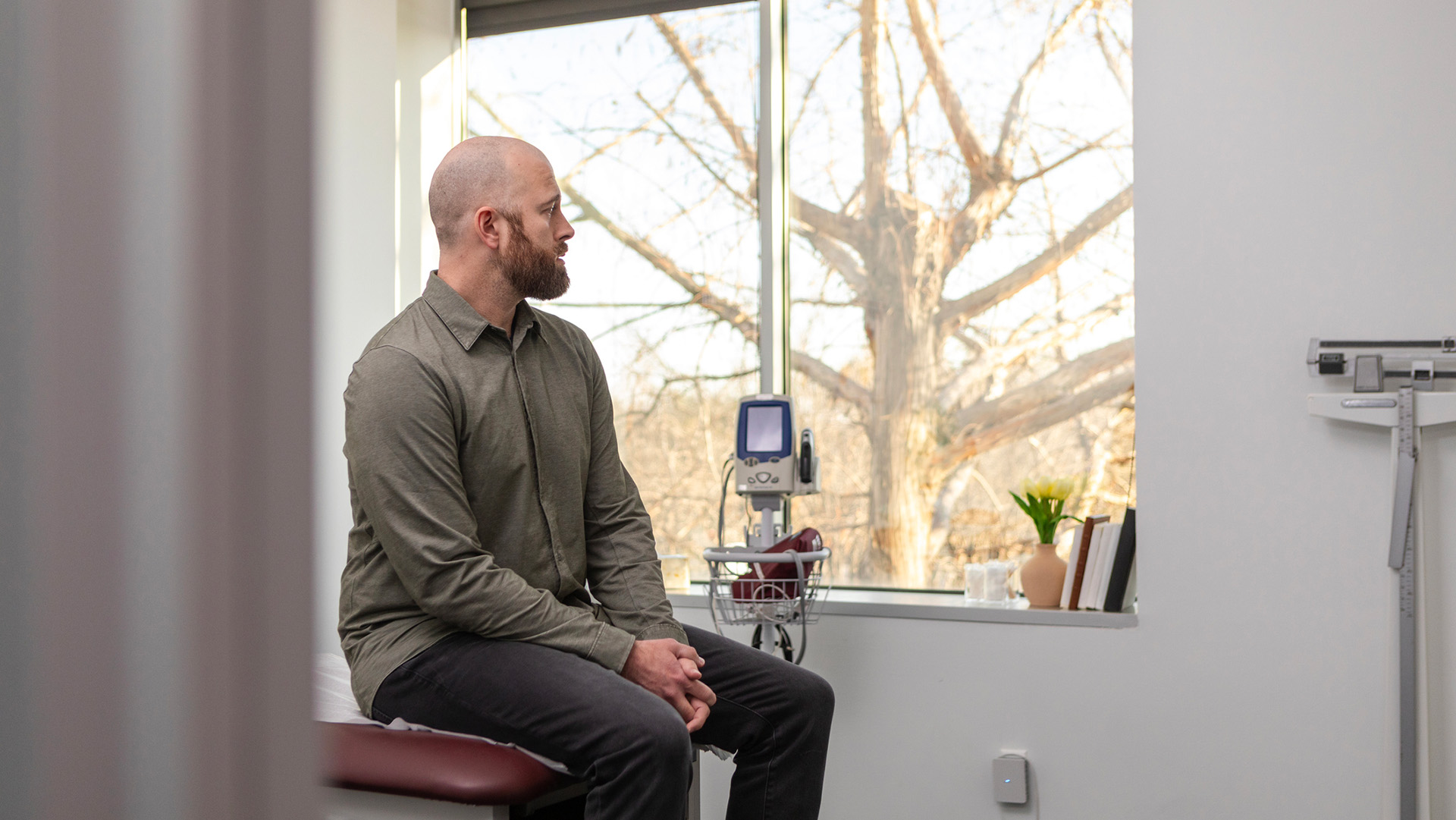
Dr. Geoffrey Buckle, a gastrointestinal medical oncologist at University of California, San Francisco Health, described the human reality behind the numbers in stark terms.
“Almost all my patients are my peers, many of whom have young kids or are pregnant themselves or navigating the challenges of just establishing their careers. They’re hit with these obviously extremely scary diagnoses.”
That quote captures something the statistics alone can’t fully convey. These aren’t patients in the later chapters of their lives. They’re people in the middle of everything — building families, starting jobs, planning futures — and a cancer diagnosis lands with a particular kind of weight at that stage.
What Scientists Think Is Driving the Rise in Young People
Researchers believe the answer lies somewhere in the decades after the 1960s. The working hypothesis is that some shift in people’s environments or lifestyles — something that changed after that era — is responsible for the upward trend in younger adults.
Exactly what that shift is remains under active investigation. But recent research has offered a potentially important clue: whatever the factor is, it appears to primarily affect cancers of the rectum and the lowest part of the colon. That anatomical pattern could help researchers narrow down the list of possible causes, since different parts of the colon are exposed to different biological and environmental conditions.
The post-1960s timeframe is significant. That period saw major changes in diet, antibiotic use, food processing, sedentary behavior, obesity rates, and the composition of the gut microbiome — any or all of which could theoretically play a role. Scientists haven’t yet pinpointed a single culprit, but the clues are beginning to point in a direction.
Why Young Patients Face a Harder Road to Diagnosis
One of the most serious problems isn’t just that more young people are getting colorectal cancer — it’s that they’re getting diagnosed later, when the disease is harder to treat.
Several factors contribute to this diagnostic delay:
- Colorectal cancer symptoms in younger people are often attributed to less serious conditions like hemorrhoids, irritable bowel syndrome, or stress
- Younger patients and their doctors may not immediately consider cancer as a possibility, given the historical association with older age groups
- Standard screening programs have traditionally targeted people over 50, meaning younger adults often aren’t in any routine surveillance system
- Younger patients may delay seeking care due to work, family obligations, or lack of health insurance
The result is that by the time many young patients receive a confirmed diagnosis, their cancer has already progressed to a stage that requires more aggressive treatment and carries a more uncertain prognosis.
What the Research Is Telling Us So Far
| Factor | What Is Known |
|---|---|
| Age group most affected by rising rates | Adults under 50 |
| Age group seeing declining rates | Older adults |
| Likely time period when cause originated | After the 1960s |
| Probable cause category | Environmental or lifestyle change |
| Cancer location most affected in young patients | Rectum and lowest part of the colon |
| Typical stage at diagnosis in young patients | Late stage, due to diagnostic delays |
The pattern emerging from recent studies — that the rise is concentrated in the rectum and lower colon — gives researchers something concrete to work with. It suggests the cause may involve something that interacts specifically with that part of the digestive tract, rather than the colon as a whole.
Where the Investigation Goes From Here
Scientists are still working to identify the specific environmental or lifestyle factor — or combination of factors — responsible for the trend. The focus on post-1960s changes gives researchers a historical window to examine, comparing what shifted in diet, medicine, and daily life during that period with what we know about colorectal cancer biology.
The anatomical clue — that the rectum and lower colon appear most affected — adds another layer to the investigation. Researchers can now look at what those specific areas are exposed to that other parts of the colon are not, which may help isolate the cause more precisely.
For younger adults, the practical takeaway is straightforward: don’t dismiss persistent digestive symptoms as nothing. Rectal bleeding, changes in bowel habits, unexplained weight loss, or abdominal pain that doesn’t resolve deserve medical attention — regardless of age. Awareness, not panic, is the most useful response to what the data is showing.
Frequently Asked Questions
Why are colorectal cancer rates rising in young people but falling in older adults?
Researchers believe a change in environment or lifestyle that occurred after the 1960s is likely responsible for the rise in younger adults, though the exact cause has not yet been identified.
What part of the colon is most affected in younger patients?
Recent research suggests the rise in colorectal cancer among young people primarily affects cancers of the rectum and the lowest part of the colon.
Why are young people diagnosed at a later stage than older patients?
Younger patients tend to go longer between first experiencing symptoms and receiving a diagnosis, often because cancer isn’t immediately suspected in that age group, leading to late-stage detection.
Who is Dr. Geoffrey Buckle and what did he say about this trend?
Dr. Geoffrey Buckle is a gastrointestinal medical oncologist at University of California, San Francisco Health, who noted that nearly all of his younger patients are his peers — many with young children or early careers — facing extremely frightening diagnoses.
At what age does the elevated risk in younger adults begin?
Has a single cause been confirmed for the rise in early-onset colorectal cancer?
No single cause has been confirmed. Scientists believe a post-1960s environmental or lifestyle shift is involved, but the specific factor or factors remain under active investigation.




Leave a Reply