
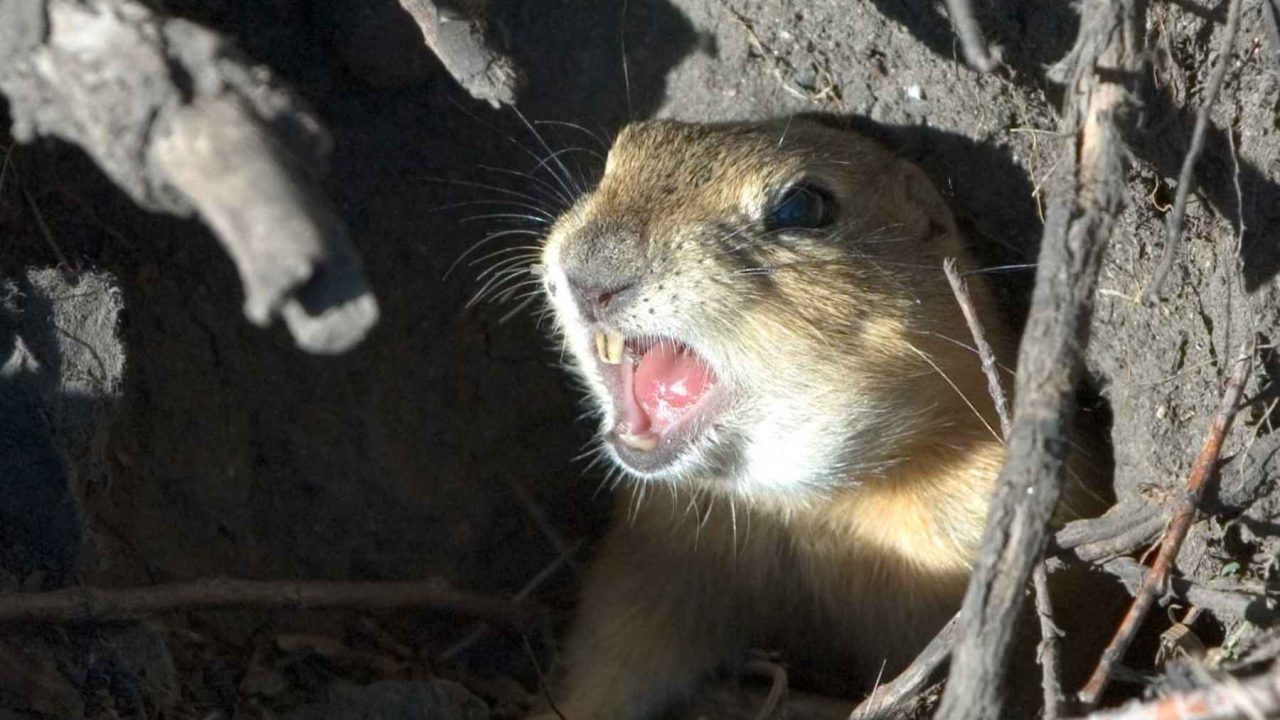
When a volcano obliterates 230 square miles of landscape in a single morning, you might assume recovery would take centuries — driven by slow geological forces, rainfall, and the gradual creep of plant life. What researchers studying Mount St. Helens found instead was far stranger: some of the earliest and most important work in rebuilding the soil was apparently done by small, burrowing rodents called pocket gophers.
The 1980 eruption of Mount St. Helens remains one of the most dramatic natural disasters in modern American history. But decades later, scientists examining how the land came back to life have landed on a finding that reframes the whole story — and it has nothing to do with the volcano itself.
The real story of recovery, it turns out, may have started underground, with a handful of animals and a shovel’s worth of dirt.
What Mount St. Helens Left Behind on May 18, 1980
The eruption was triggered by an earthquake and a massive landslide that tore open the volcano’s north side. The blast killed 57 people and leveled forests across the region. Whole slopes were buried under hot volcanic debris, and the damage stretched across roughly 230 square miles.
But the destruction went deeper than what aerial photographs could show. In the Pumice Plain — a broad, flat area created by fast-moving volcanic flows — the eruption buried the original ground under thick layers of ash and shattered rock, a material scientists call tephra.
Tephra is not soil. It lacks the fungi, bacteria, and organic matter that plants depend on to grow. The eruption did not just remove vegetation; it effectively erased the living underground infrastructure that makes plant recovery possible in the first place. For anything to grow back, that biological foundation had to be rebuilt — somehow.
The Pocket Gopher Experiment That Changed Everything
In the early 1980s, researchers introduced pocket gophers to parts of the blast zone as part of a study into ecological recovery. What happened next surprised everyone who looked closely at the data years later.
A study of the mountain’s recovering soils suggests that this brief gopher experiment helped restart an underground recovery process that the eruption had essentially shut down. The animals did not rebuild the landscape by themselves — that would be too simple a story. But their digging appears to have moved fungi, bacteria, and older, pre-eruption soil upward toward the surface, giving plants a meaningfully better chance at reestablishing themselves.
Pocket gophers are relentless excavators. They tunnel through soil constantly in search of roots and tubers, and as they move through the ground, they churn material from lower layers up to the surface. In a normal landscape, this behavior is unremarkable. At Mount St. Helens, where the old soil was buried under sterile volcanic debris, it was potentially transformative.
By pushing older soil — along with the microbes and fungi living in it — back toward the surface, the gophers may have effectively seeded the recovering land with the biological ingredients plants needed to survive.
Why This Finding Matters Beyond One Volcano
The implications reach well past Mount St. Helens. Scientists and land managers have long focused on what happens above ground when ecosystems are destroyed — which plants come back, in what order, and how fast. This research points to the underground dimension of recovery as equally important, and suggests that animals can play a critical role in restoring it.
Volcanic eruptions, wildfires, and large-scale land disturbances all share a common problem: they can destroy or bury the microbial communities that healthy soil depends on. If small burrowing animals can help reintroduce those communities by mixing buried organic material back toward the surface, that has real consequences for how we think about ecological restoration.
| Event / Factor | Detail |
|---|---|
| Eruption date | May 18, 1980 |
| Cause of eruption | Earthquake triggering a massive landslide that opened the volcano’s north side |
| Human deaths | 57 people killed |
| Area devastated | Approximately 230 square miles |
| Key affected zone | The Pumice Plain, created by fast-moving volcanic flows |
| Problem with tephra | Ash and shattered volcanic rock lacks the fungi, bacteria, and organic matter healthy soil requires |
| Unexpected recovery agent | Pocket gophers introduced in early 1980s experiments |
| Mechanism of recovery | Gopher digging moved fungi, bacteria, and older soil toward the surface |
The Part of the Recovery Story Most People Have Never Heard
The Mount St. Helens recovery is often told as a triumph of nature’s resilience — plants returning, elk wandering back, forests slowly rebuilding. That story is real. But it skips over the invisible layer where recovery actually begins: the soil microbiome.
Without the right fungi and bacteria present in the soil, most plants cannot absorb nutrients efficiently or resist disease. After the eruption, the Pumice Plain was essentially a biological blank slate — visually dramatic but agriculturally and ecologically sterile.
The gopher research suggests that the animals acted as a kind of biological bridge, connecting the dead surface layer to the living material buried beneath it. Researchers note the gophers did not do this alone — natural processes, wind-blown seeds, and surviving organisms in sheltered areas all contributed. But the gopher digging appears to have accelerated a process that might otherwise have taken far longer.
What Researchers Are Still Working to Understand
The study of Mount St. Helens’ recovering soils is ongoing, and scientists note that many questions remain open. Researchers are continuing to examine exactly how much of the soil recovery can be attributed to the gopher experiment versus other natural processes. The relative contributions of animal activity, wind dispersal of microbes, and surviving soil communities in protected areas have not been fully separated.
What does appear clear is that the underground dimension of ecological recovery — the microbial layer that most people never think about — deserves far more attention than it typically receives. And the pocket gopher, one of the least glamorous animals in the American West, may have earned a footnote in the history of one of the country’s most famous natural disasters.
Forty-five years after the eruption, the mountain keeps offering new answers. Some of them come from very small places.
Frequently Asked Questions
When did Mount St. Helens erupt?
Mount St. Helens erupted on May 18, 1980, after an earthquake triggered a massive landslide that opened the volcano’s north side.
How much land was destroyed by the 1980 eruption?
The eruption devastated approximately 230 square miles, leveling forests and coating slopes with hot volcanic debris.
How many people died in the Mount St. Helens eruption?
The disaster killed 57 people.
What role did pocket gophers play in the recovery of Mount St. Helens?
A study of recovering soils suggests that pocket gophers introduced in the early 1980s helped restart underground recovery by digging up fungi, bacteria, and older soil from beneath the sterile volcanic debris and moving it toward the surface.
What is tephra, and why was it a problem for plant recovery?
Tephra is the ash and shattered volcanic rock deposited by the eruption. Unlike healthy soil, it lacks the fungi, bacteria, and organic matter that plants need to grow, making it difficult for vegetation to reestablish itself.
Did the gophers rebuild the landscape on their own?
No — researchers note the gophers did not rebuild the landscape by themselves, but their digging appears to have significantly accelerated the underground recovery process by mixing buried biological material back toward the surface.


Leave a Reply