
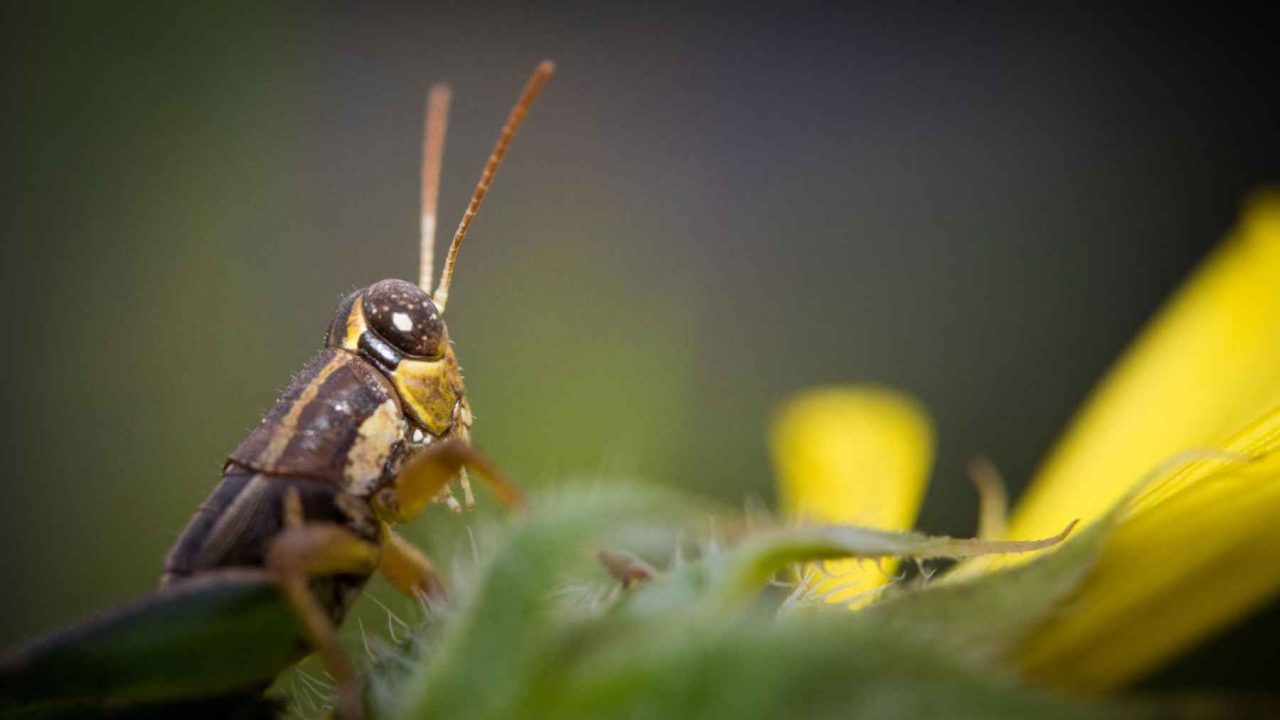
That steady chirp coming from your garden after dark might feel like an unwelcome intrusion, but gardening experts say you may want to think twice before reaching for the bug spray. The presence of crickets near your home is often a quiet signal that your outdoor space is doing something right.
Most people’s instinct is to silence them. The sound can cut through an otherwise quiet room, and it doesn’t take long before it starts feeling like a problem that needs solving. But according to insect researchers and gardening specialists, that chirp is less of an annoyance and more of an environmental report card — and in many cases, it’s a passing grade.
The key is understanding what crickets are actually telling you, and when their presence tips from a good sign into something worth addressing.
Why Crickets Are Chirping in the First Place
Crickets don’t chirp out of boredom or confusion. The sound is produced by adult males rubbing parts of their front wings together — a process known as stridulation, which refers to making sound through friction. It’s a highly specific behavior, not random noise.
Rich Zack, an insect scientist at Washington State University, explained it plainly:
“The male sings a very specific song for that species of cricket.”
That song serves real purposes. It can attract a mate, warn rival males to keep their distance, or help a cricket mark a small territory. What sounds like background noise to a tired homeowner is, in cricket terms, a carefully constructed message.
So when you hear that chirping outside your window at night, a cricket isn’t lost or distressed. It’s doing exactly what it’s supposed to do — and the fact that it’s doing it near your home tells you something about the conditions your yard is providing.
What Crickets in Your Garden Actually Signal
Crickets don’t wander into gardens by accident. According to the University of Maine Cooperative Extension, camel crickets, field crickets, and house crickets are drawn to environments that are cool, dark, moist, and humid. They also need food sources, which can include plant material and organic debris.
That combination — moisture, shelter, plant life, and food — is essentially a checklist for a functioning, living garden ecosystem. When crickets show up, it often means your outdoor space has enough biological texture to support insect life, which in turn supports the broader food web that healthy gardens depend on.
Birds eat crickets. So do frogs, spiders, and other insects that help keep pest populations in check. A garden with crickets is a garden with predators, and a garden with predators is generally a more balanced one.
The chirping at night, then, is less an alarm and more a sign of life — one that many gardeners who rely on chemical-free growing methods would actually welcome.
When the Chirping Becomes a Concern
There’s an important distinction between crickets in your garden and crickets inside your home. Outdoors, their presence is largely benign and often beneficial. Indoors is a different matter.
If crickets are consistently making their way inside the house, it can point to specific conditions worth investigating:
- Excess moisture — Crickets are drawn to humid environments, so indoor chirping may indicate a damp basement, a leaky pipe, or poor ventilation in a crawl space.
- Entry points — Gaps around doors, windows, or foundation cracks can allow crickets to move inside, especially as outdoor temperatures shift.
- Organic clutter near the home — Piles of leaves, wood, or debris close to the foundation create the cool, dark conditions crickets prefer, making them more likely to find their way in.
In other words, crickets indoors aren’t necessarily a pest problem in themselves — they’re often a symptom of a structural or moisture issue that’s worth fixing regardless.
A Quick Look at Cricket Types and What Draws Them
| Cricket Type | Preferred Environment | Common Location Found |
|---|---|---|
| Field Cricket | Cool, moist, outdoor areas | Gardens, lawns, near foundations |
| House Cricket | Warm, humid indoor spaces | Basements, kitchens, garages |
| Camel Cricket | Dark, damp, sheltered spaces | Crawl spaces, basements, caves |
All three species are identified by the University of Maine Cooperative Extension as being attracted to cool, dark, moist, and humid conditions — which explains why they cluster in similar spots despite their differences.
What You Can Do — Without Driving Them Away Entirely
If crickets in the garden aren’t causing damage, most gardening experts suggest leaving them alone. They contribute to the ecosystem and their presence reflects conditions that support plant and animal life.
If indoor cricket noise is becoming a real issue, the more effective approach is addressing the root conditions rather than simply chasing the insects:
- Check for and seal gaps around doors, windows, and the foundation
- Reduce moisture in basements or crawl spaces using ventilation or a dehumidifier
- Move woodpiles, leaf piles, and dense mulch away from the immediate perimeter of the house
- Reduce outdoor lighting near entry points, since lights can attract crickets at night
These steps address the conditions crickets are responding to — and they tend to solve the problem more durably than any spray or trap.
The Bigger Picture for Your Garden
There’s a broader lesson here that goes beyond crickets specifically. Insects that seem like nuisances are often indicators of something — good or bad — about the environment they’re inhabiting. Crickets near a healthy garden are, in many ways, doing what a thriving ecosystem is supposed to do: making noise, finding food, attracting predators, and cycling through the natural rhythms of the season.
The next time you hear that familiar chirp drifting in through an open window on a summer night, it may be worth pausing before you reach for the insecticide. What you’re hearing could be one of the quieter signs that your garden is alive and working.
Frequently Asked Questions
Why do crickets only chirp at night?
Crickets are most active after dark, which is when males produce their chirping sound through a process called stridulation — rubbing parts of their front wings together to attract mates or warn off rivals.
Is it a bad sign if I hear crickets in my garden?
Generally, no. Gardening experts say crickets in a garden often indicate the presence of moisture, plant life, food, and shelter — conditions associated with a living, functioning outdoor ecosystem.
What does it mean if crickets are getting inside my house?
Indoor crickets can point to a moisture problem, poor ventilation, or entry points like gaps around doors and windows that are allowing them access from outside.
What types of crickets are most commonly found near homes?
According to the University of Maine Cooperative Extension, camel crickets, field crickets, and house crickets are the types most commonly drawn to residential environments, all preferring cool, dark, moist, and humid conditions.
Why do male crickets chirp?
Rich Zack of Washington State University explains that each male cricket sings a species-specific song that can attract a mate, warn other males away, or help establish a small territory.
How can I reduce crickets indoors without harming my garden?
Sealing entry points, reducing indoor moisture, and moving organic debris away from the home’s foundation are effective steps that address the root conditions rather than targeting the crickets directly.




Leave a Reply