
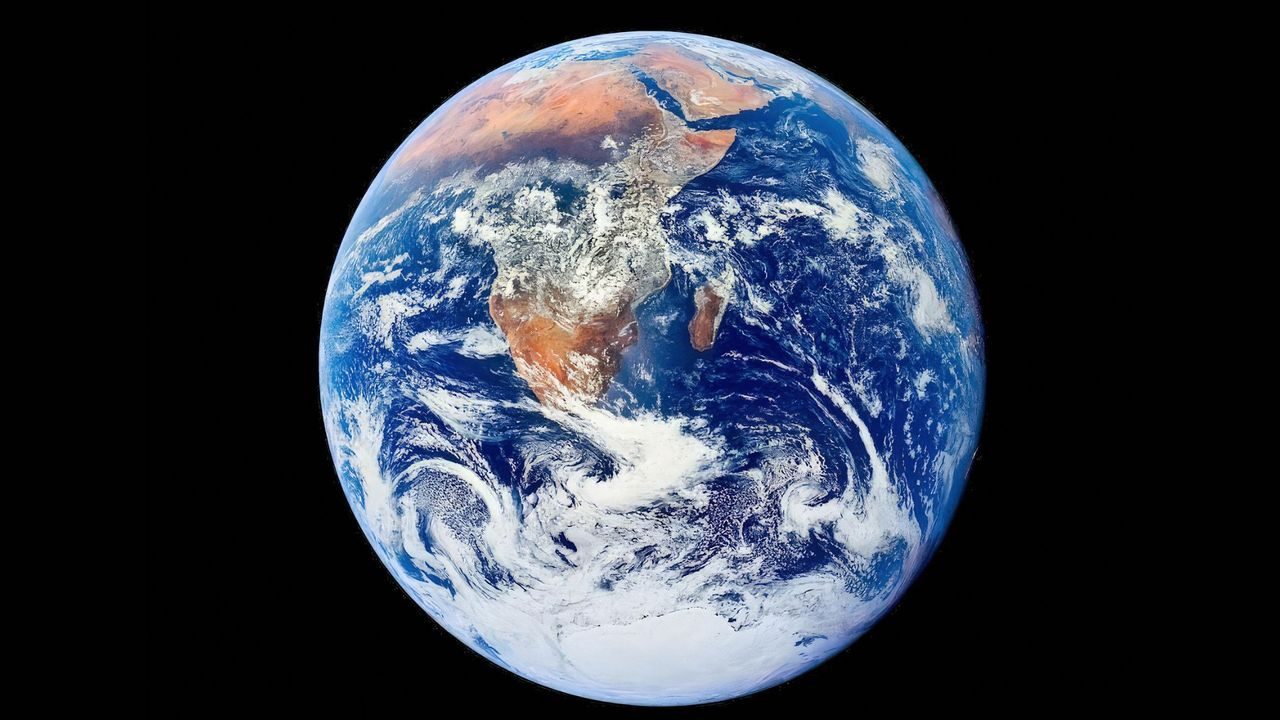
How well do you actually know the planet you’ve lived on your entire life? Most people can name the continents and point to the oceans on a map — but Earth’s most remarkable features go far deeper than anything a basic geography lesson covers.
From deserts that form right next to coastlines to rivers older than most mountain ranges, our planet is packed with surprises that challenge what we think we know. And according to Live Science, even seasoned trivia enthusiasts find themselves stumped by some of Earth’s most fascinating details.
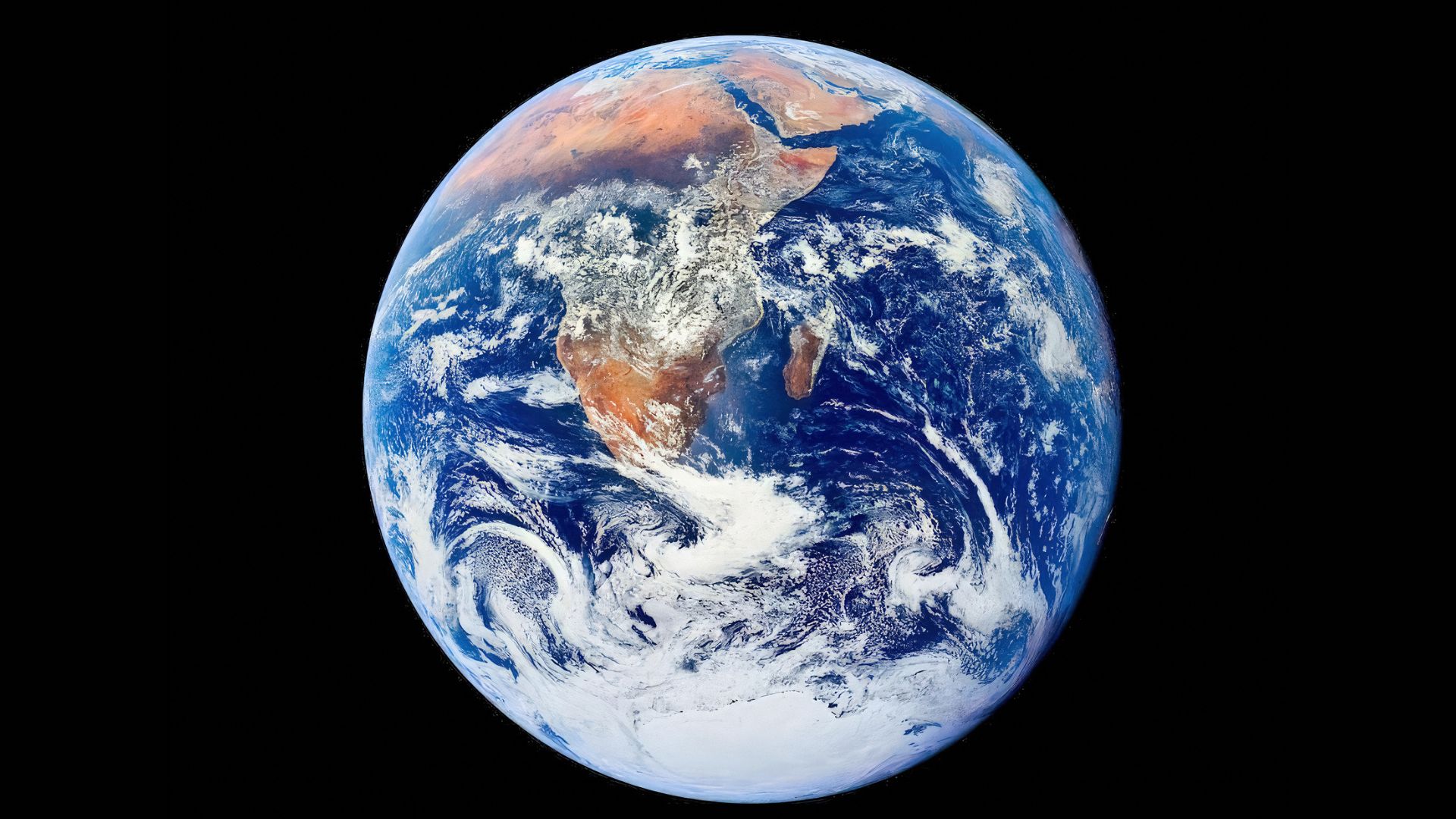
Whether you’re brushing up for quiz night or just genuinely curious about the world beneath your feet, here’s a look at what makes Earth such a strange, layered, and endlessly interesting place — and why testing your knowledge of it is worth your time.
Earth Is Older, Wetter, and Stranger Than Most People Realize
Earth is approximately 4.5 billion years old. That number gets thrown around so often it stops feeling real — but consider this: the oldest known river on Earth has been flowing for tens of millions of years, long before any human civilization existed. Most of the landscapes we treat as permanent backdrops have been radically different at various points in geological history.
The planet is also described, accurately, as rocky and wet. About 71 percent of Earth’s surface is covered by water, yet the distribution of that water is deeply uneven. Some of the driest places on Earth sit right next to oceans — a geographic paradox that has to do with cold ocean currents, prevailing winds, and the way moisture gets stripped from air masses before it ever reaches certain coastlines.
These aren’t just trivia footnotes. They’re clues to how Earth’s systems — atmospheric, geological, and hydrological — interact in ways that are still being studied and understood.
The Earth Facts That Tend to Catch People Off Guard
There are certain facts about Earth that seem like they should be common knowledge but reliably surprise people. A few worth knowing:
- Deserts can form next to oceans. Coastal deserts exist because cold ocean currents cool the air above them, reducing the air’s ability to carry moisture inland. The Atacama Desert in South America and the Namib Desert in Africa are classic examples of this phenomenon.
- The largest continent question has a trick to it. Asia is the largest continent by landmass, covering roughly 44.6 million square kilometers — more than four times the size of the next largest, Africa. It’s a standard quiz night question, but the answer is more lopsided than most people expect.
- Rivers can be ancient beyond comprehension. Some geologists argue that certain rivers, like the New River in North America or the Finke River in Australia, are among the oldest in the world — with histories stretching back hundreds of millions of years.
- Earth’s features are constantly changing. Plate tectonics means that continents have moved, mountain ranges have risen and eroded, and ocean floors have been created and destroyed — all on timescales that dwarf human history.
A Closer Look at Earth’s Key Features
To put some of Earth’s scale into perspective, here’s a snapshot of commonly tested geographic facts about the planet:
| Feature | Detail |
|---|---|
| Age of Earth | Approximately 4.5 billion years |
| Surface covered by water | About 71 percent |
| Largest continent | Asia |
| Coastal desert formation cause | Cold ocean currents reducing moisture in air |
| Planet description | Rocky, wet, and geologically active |
These are the kinds of facts that appear in Earth science quizzes and general knowledge rounds alike — deceptively simple on the surface, but connected to much larger stories about how our planet works.
Why Knowing Your Planet Actually Matters
There’s a practical case for understanding Earth’s geography and geology beyond quiz night glory. The way deserts form, rivers age, and continents shift has direct consequences for where people can live, how water is distributed, and how climate systems behave.
When people understand why a coastal desert exists, for example, they’re better equipped to understand why certain regions face chronic water shortages even when they’re surrounded by ocean. That kind of geographic literacy has real implications for how we think about climate, migration, and resource management.
Earth science also has a way of humbling anyone who engages with it seriously. The planet’s history is so vast, and its systems so interconnected, that every answer tends to open up three more questions. That’s part of what makes quizzes and knowledge challenges around this topic genuinely engaging rather than just rote memorization.
How to Test What You Actually Know
Live Science notes that Earth knowledge quizzes often cover a wide range of topics — from geological history and geographic records to atmospheric science and oceanography. The best approach is to treat each question not just as a test of memory, but as a prompt to understand the reasoning behind the answer.
Why does a desert form next to an ocean? What makes one river older than another? Which continent holds the title for largest landmass, and by how much? These aren’t just isolated facts — they’re entry points into understanding how Earth actually functions as a system.
Hints can help when you’re stuck, but working through the reasoning yourself tends to make the information stick far longer. Earth is, as Live Science puts it, older than the hills — and it’s been keeping secrets the whole time.
Frequently Asked Questions
Why do deserts form next to oceans?
Coastal deserts can form when cold ocean currents cool the air above them, reducing the moisture that air carries inland — leaving nearby land extremely dry despite its proximity to water.
What is the largest continent on Earth?
Asia is the largest continent by landmass, a fact commonly featured in geography quizzes and general knowledge rounds.
How old is Earth?
Earth is approximately 4.5 billion years old, making it ancient beyond the scale of most human comprehension.
What percentage of Earth’s surface is covered by water?
Roughly 71 percent of Earth’s surface is covered by water, though its distribution across the planet is highly uneven.
What makes some rivers considered the oldest in the world?
Where can I take an Earth knowledge quiz?
Live Science hosts an interactive Earth quiz at livescience.com that covers the planet’s most remarkable geographic and geological features, with hints available and a leaderboard for registered users.


Leave a Reply