
There is now a 65% chance that the El Niño developing this year will be classified as strong or very strong — and for the first time, forecasters say a “super” El Niño is the single most likely outcome by the end of 2026. If that happens, the world could be looking at the most powerful El Niño event since the 1870s, with consequences that stretch far beyond unusual weather.
The National Oceanic and Atmospheric Administration’s (NOAA) Climate Prediction Center published a new ENSO forecast on May 14, and the numbers are striking. Not only is El Niño now expected to arrive with an 82% probability between now and July, but the strongest version of it — a “very strong” or so-called “super” El Niño — has become the most probable scenario for the October 2026 to February 2027 window.
The shift in ECMWF Nino 3.4 solidly into record territory reflects the additional momentum injected into the ocean over the last month. The model isn't well simulating the subseasonal wind stress signals, but once these signals are integrated into the model ocean, amplitude… pic.twitter.com/qtk0m8SPcX
— Paul Roundy (@PaulRoundy1) May 5, 2026
For anyone who lived through the disruptions of previous strong El Niño years, this is the kind of forecast that demands attention. For everyone else, it’s time to understand what’s coming and why it matters.
What Is a “Super” El Niño and Why Is This One Different
El Niño is the warmer phase of a natural climate cycle called the El Niño-Southern Oscillation, or ENSO. It refers to a periodic shift in the surface temperatures of the tropical Pacific Ocean. When those waters warm, the effects ripple outward — supercharging global temperatures, disrupting rainfall patterns, and stressing agricultural systems across multiple continents.
A standard El Niño is already significant. A strong one amplifies those effects considerably. But a “very strong” El Niño — the threshold that earns the unofficial label of “super” El Niño — means sea surface temperatures in the tropical Pacific rise by at least 3.6 degrees Fahrenheit (2 degrees Celsius) above normal. That’s not a subtle shift. It’s a major departure from baseline conditions with the potential to push global average temperatures to all-time records.
According to NOAA’s forecast, that extreme scenario is now the most probable single outcome for the October-to-February period. The probability of a strong or very strong classification starting in October sits at 65% — roughly 20 percentage points higher than previous estimates.
The Numbers Behind the Forecast
Here’s a clear breakdown of what NOAA’s May 14 forecast actually says:
| Forecast Element | Probability / Detail |
|---|---|
| El Niño arriving by July 2026 | 82% chance |
| El Niño classified as strong or very strong (from October) | 65% chance |
| Most likely single outcome for Oct 2026–Feb 2027 | “Very strong” (super) El Niño |
| Sea surface temperature rise for “very strong” threshold | +3.6°F / +2°C above normal |
| Expected duration of El Niño phase | Through February 2027 |
| Forecast publication date | May 14 (NOAA Climate Prediction Center) |
The increase of roughly 20 percentage points in the probability of a strong or very strong event compared to earlier projections signals that forecasters are growing increasingly confident this won’t be a mild or moderate episode.
What a Super El Niño Could Mean for the Planet
The potential consequences of a super El Niño go well beyond abstract climate statistics. A powerful event of this magnitude has the capacity to send global average temperatures to all-time highs — and potentially beyond the warming limit set by the Paris Agreement.
The humanitarian cost is what makes this forecast genuinely alarming. El Niño events historically trigger:
- Severe droughts across parts of Africa, South Asia, and Australia, threatening food and water supplies
- Intense flooding and storms in South America and parts of the United States
- Disruptions to global crop production, driving up food prices
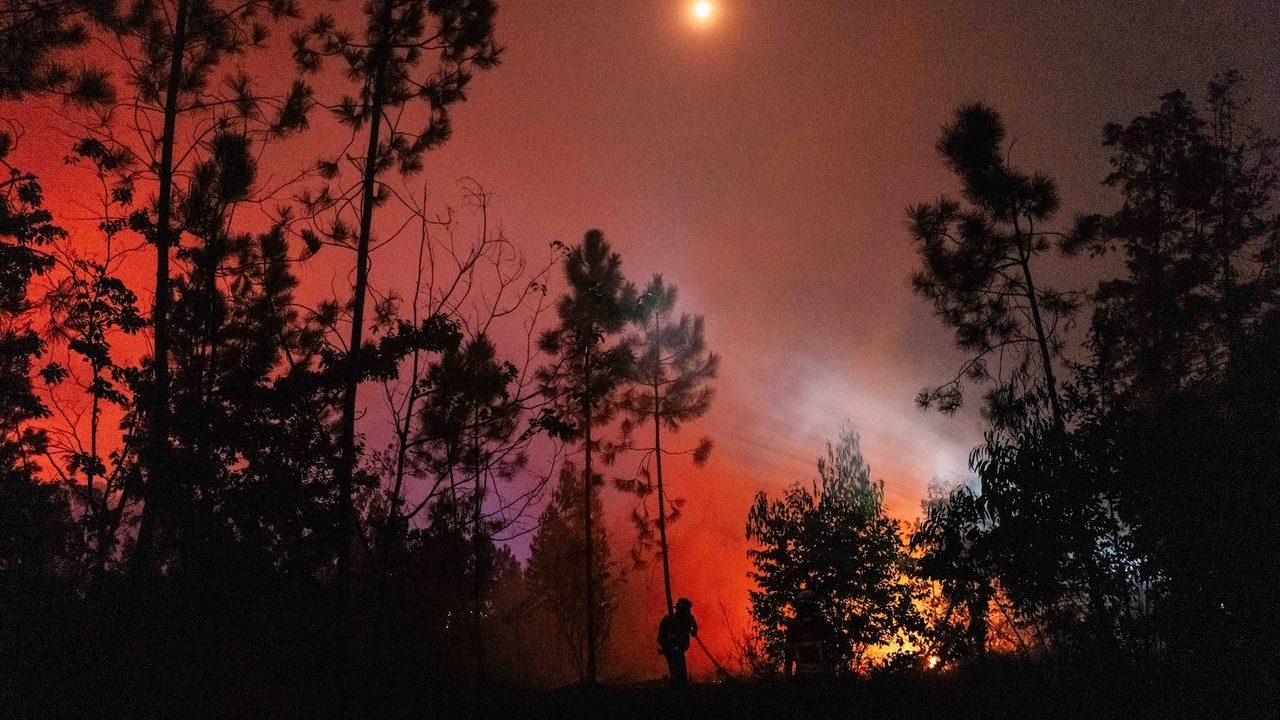
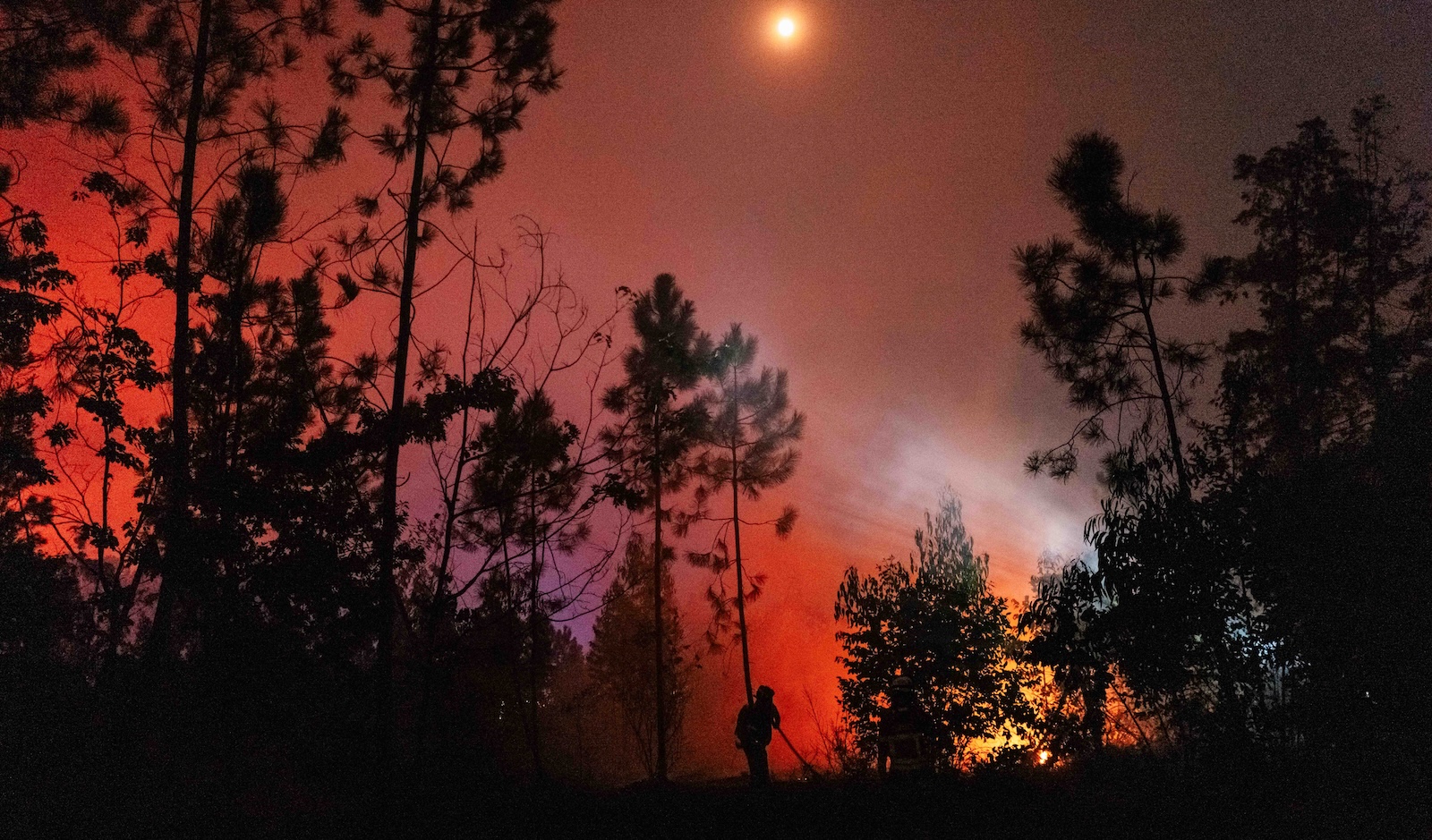
- Increased risk of wildfires in drought-affected regions
- Coral bleaching events on a massive scale as ocean temperatures spike
When a super El Niño layers on top of an already warming planet, the effects compound. The 2015–2016 El Niño — considered one of the strongest on record — contributed to a global temperature spike and triggered humanitarian crises across dozens of countries. Forecasters warn that an event of the magnitude now being projected could be even more severe.
Scientists have noted that because baseline global temperatures are already higher than they were during previous strong El Niño events, the combined effect of a super El Niño on top of existing warming could push global average temperatures into genuinely unprecedented territory.
Who Faces the Greatest Risk
The humanitarian impact of a super El Niño is rarely distributed equally. The populations most exposed tend to be those with the fewest resources to adapt or recover.
Agricultural communities in sub-Saharan Africa and South and Southeast Asia are among the most vulnerable, as El Niño-driven droughts can devastate staple crop harvests. Small island nations face compounding threats from both extreme weather and rising sea temperatures. In the western United States, drought conditions that have already strained water infrastructure could intensify further.
Global food markets are also at risk. When major crop-producing regions experience simultaneous stress, prices rise worldwide — affecting consumers far removed from the immediate weather event. Observers have noted that the humanitarian cost of a super El Niño of this scale could be enormous, touching food security, public health, and economic stability across multiple regions simultaneously.
What Happens Between Now and February 2027
Based on NOAA’s current projections, the timeline looks like this: El Niño is most likely to arrive and be confirmed sometime before the end of July 2026. Through the summer and early autumn, it is expected to intensify. By October, the forecast places the greatest probability on a very strong event, with that intensity persisting through February 2027.
That’s a roughly nine-month window of elevated global risk — long enough to affect at least one full agricultural growing season in multiple regions and drive a sustained period of anomalous weather worldwide.
NOAA will continue issuing updated ENSO forecasts, and the picture will sharpen as the year progresses. For now, the May 14 forecast represents the clearest signal yet that 2026 and early 2027 could mark a significant and challenging chapter in the ongoing story of a warming planet.
Frequently Asked Questions
What is a “super” El Niño?
A super El Niño is an informal term for a “very strong” El Niño event, defined by sea surface temperatures in the tropical Pacific rising at least 3.6 degrees Fahrenheit (2 degrees Celsius) above normal.
What did NOAA’s May 14 forecast actually say?
NOAA’s Climate Prediction Center estimated a 65% chance the upcoming El Niño will be classified as strong or very strong starting in October 2026, with a “very strong” event now the single most probable outcome for the October 2026 to February 2027 period.
How likely is El Niño to arrive before July 2026?
NOAA puts the probability of El Niño arriving between now and July at 82%, making it a highly likely near-term development.
Could this El Niño break global temperature records?
According to the source reporting, a powerful El Niño of this scale could send global temperatures to all-time highs and potentially beyond the warming limit set by the Paris Agreement.
How long is this El Niño expected to last?
NOAA’s current forecast projects the El Niño phase continuing through February 2027.
Has there been an El Niño this strong before?
NOAA’s forecast suggests the upcoming event could rank among the strongest in recorded history, with some projections placing it potentially on par with or beyond the biggest El Niño events since the 1870s.




Leave a Reply