

What if a single shot — or in this case, a single sniff — could shield you from the flu, COVID-19, and a range of other respiratory threats at the same time? That’s not science fiction. It’s the direction a growing number of researchers are actively working toward, and recent developments suggest the idea may be closer to reality than most people realize.
Scientists have developed an experimental nasal spray designed to protect against multiple respiratory diseases simultaneously, including seasonal influenza and COVID-19. So far, the research has been tested in mice over a three-month period. The results are promising enough that the work is continuing — though it’s still early days.
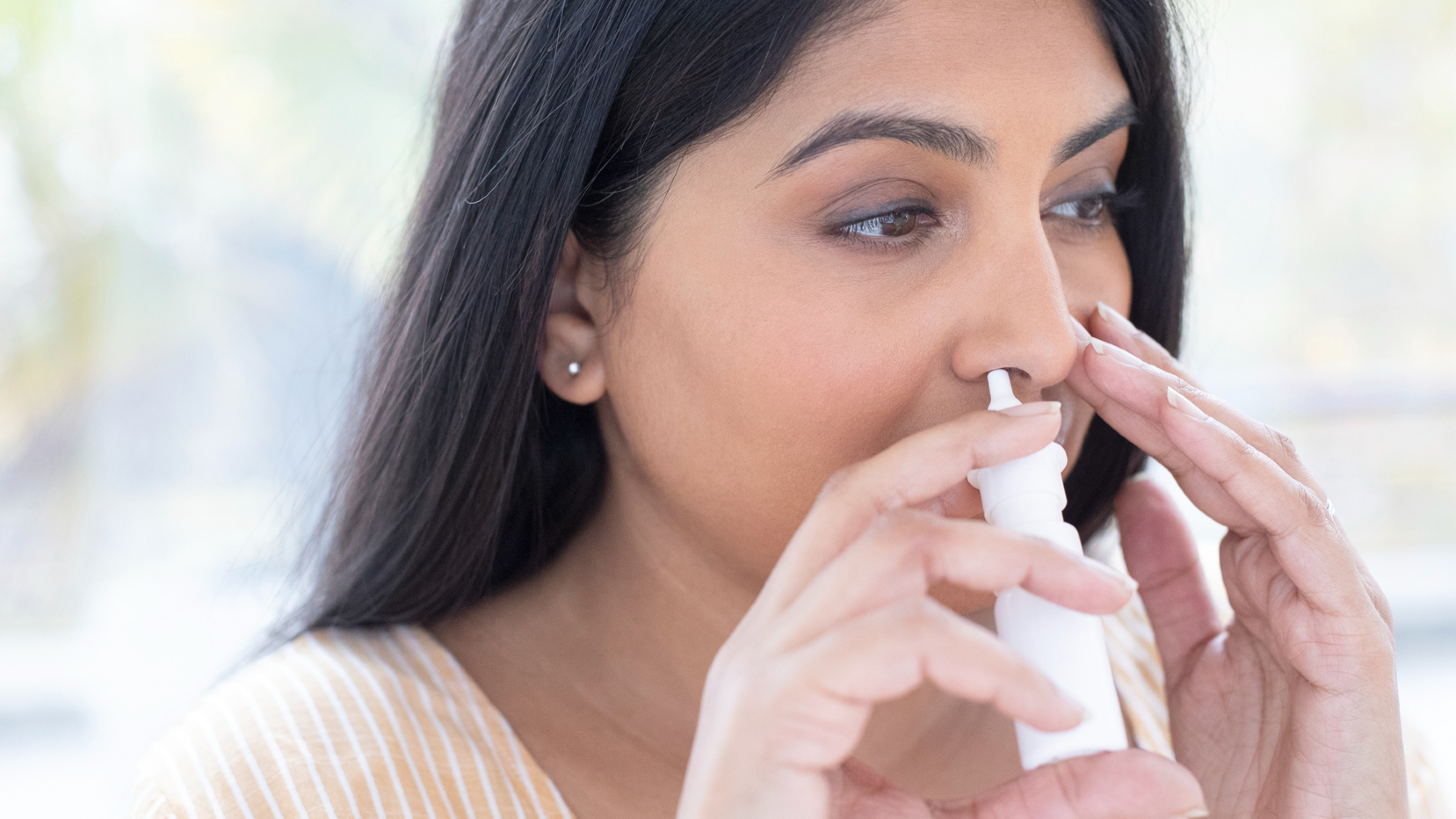
The concept is being described by researchers as a potential “universal” protection against respiratory pathogens. If it eventually works in humans the way early results suggest it might in animals, it could fundamentally change how we think about respiratory illness prevention.
The Big Idea Behind a Universal Respiratory Vaccine
Every year, millions of people get a flu shot. Many have also received one or more COVID-19 vaccines. And yet respiratory illnesses — from seasonal colds to bacterial lung infections — continue to cycle through populations with stubborn reliability. Part of the problem is that each vaccine targets a specific pathogen, and viruses mutate, meaning last year’s shot isn’t always a perfect match for this year’s strain.
The ambition behind a universal respiratory vaccine is to sidestep that problem entirely. Rather than chasing individual pathogens one at a time, researchers are exploring whether a single platform could train the immune system to recognize and respond to a broad range of respiratory threats — potentially including seasonal allergens alongside infectious diseases.
The nasal delivery method is significant in its own right. Unlike traditional injected vaccines that prime the immune system through the bloodstream, a nasal spray targets the mucosal immune system — the layer of immune defense that lines the nose, throat, and lungs. That’s the first point of contact for most respiratory pathogens, which makes it a strategically important battleground.
What the Research Has Shown So Far
The experimental nasal spray has been tested in mice across a three-month study window. Researchers found it showed promise in triggering protection against multiple respiratory diseases at once. The diseases specifically identified in the research include seasonal influenza and COVID-19.
The broader goal, as scientists have framed it, is protection against almost any respiratory pathogen — a remarkably ambitious target that would represent one of the most significant advances in vaccine science in decades.
| Feature | Details from Current Research |
|---|---|
| Delivery method | Nasal spray |
| Testing stage | Animal studies (mice) |
| Study duration | Three months |
| Diseases targeted | Seasonal influenza, COVID-19, and potentially other respiratory pathogens |
| Broader goal | Universal protection against respiratory bugs, including bacterial lung infections and seasonal allergens |
| Current status | Ongoing research — not yet available to humans |
It’s worth being clear about where this sits on the research timeline: animal studies are an early but necessary step. A treatment that works in mice must still clear significant additional hurdles — including human clinical trials — before it could ever reach a pharmacy shelf.
Why This Matters for Everyday People
Respiratory diseases are among the most common causes of illness and death worldwide. Flu season alone sends hundreds of thousands of people to hospitals every year. COVID-19 demonstrated in devastating fashion how quickly a respiratory pathogen can overwhelm health systems and disrupt daily life on a global scale.
The appeal of a universal respiratory vaccine isn’t just scientific — it’s deeply practical. Fewer separate vaccines would mean fewer appointments, simpler public health messaging, and potentially much broader coverage in communities where healthcare access is limited. A nasal spray format also removes the need for needles and trained injection staff, which could make distribution far easier in low-resource settings.
There’s also the question of pandemic preparedness. One of the core lessons from COVID-19 is that the world was caught flat-footed when a novel respiratory pathogen emerged. A platform capable of rapidly adapting to — or broadly neutralizing — new respiratory threats would be an enormous asset in any future outbreak scenario.
The Honest Reality: Research Is Still Ongoing
It’s easy to read early-stage research and get ahead of what the science actually supports. Researchers themselves have been careful to frame this as a promising invention still under development — not a finished product.
The path from a successful mouse study to a licensed human vaccine typically takes years and involves multiple phases of clinical trials, regulatory review, and manufacturing scale-up. Many promising treatments that work in animals do not ultimately succeed in human trials. That’s not pessimism — it’s just how rigorous science works.
What makes this line of research worth watching is the underlying concept. The scientific community has long recognized that a universal respiratory vaccine would be transformative. The fact that researchers now have a candidate worth testing — one that targets multiple diseases through a non-invasive delivery method — represents genuine forward movement, even if the finish line is still some distance away.
What Comes Next in This Research
The immediate next steps involve continuing to evaluate the nasal spray in animal models and building out the evidence base needed to support eventual human trials. Researchers will be looking at how durable the protection is, whether it holds up against multiple pathogen types simultaneously, and how the immune response compares to existing individual vaccines.
If animal results continue to hold up, the path forward would typically involve applying to regulatory bodies to begin human safety trials — a process that itself takes considerable time. There is no confirmed timeline for when or whether this specific nasal spray will move into human testing.
For now, the work represents one of the more intriguing threads in modern vaccine science — a genuine attempt to solve a problem that has frustrated researchers for generations. Whether this particular approach eventually succeeds or not, the pursuit of a universal respiratory vaccine is very much alive.
Frequently Asked Questions
What is the universal respiratory vaccine being developed?
It is an experimental nasal spray designed to provide protection against multiple respiratory diseases at once, including seasonal influenza and COVID-19, with the broader goal of covering almost any respiratory pathogen.
Has this nasal spray been tested in humans yet?
No. So far, the experimental nasal spray has only been tested in mice over a three-month study period. Human trials have not been confirmed.
Why is a nasal spray being used instead of an injection?
A nasal spray targets the mucosal immune system — the body’s first line of defense against respiratory pathogens — which lines the nose, throat, and lungs. This is where most respiratory illnesses first take hold.
How many diseases could this vaccine protect against?
Researchers have specifically mentioned seasonal influenza, COVID-19, lung-invading bacteria, and seasonal allergens as part of the ambition, though the research is ongoing and results in humans have not yet been established.
When could this be available to the public?
This has not yet been confirmed. The research is still at the animal-study stage, and the path to a licensed human vaccine typically involves years of additional clinical trials and regulatory review.
Does this mean we could eventually stop getting annual flu shots?
That is the long-term hope researchers are working toward, but it remains speculative at this stage. Much more research is needed before any conclusions about replacing existing vaccines can be drawn.




Leave a Reply