
Most conversations about electric vehicles eventually circle back to the same concern: battery cost, battery range, battery life. But a study published in late 2025 suggests there may be a quieter, less-discussed vulnerability sitting inside every electric motor — one that has nothing to do with the battery at all.
The issue is magnets. Specifically, the permanent magnets that power most electric motors, and what happens to them when things get hot.
Researchers at the University of New Hampshire, backed by the U.S. Department of Energy, have been using artificial intelligence to tackle this problem — and what they found points to a materials challenge that the EV industry has largely kept out of the spotlight.
Why the Magnet Inside Your Electric Motor Is More Important Than You Think
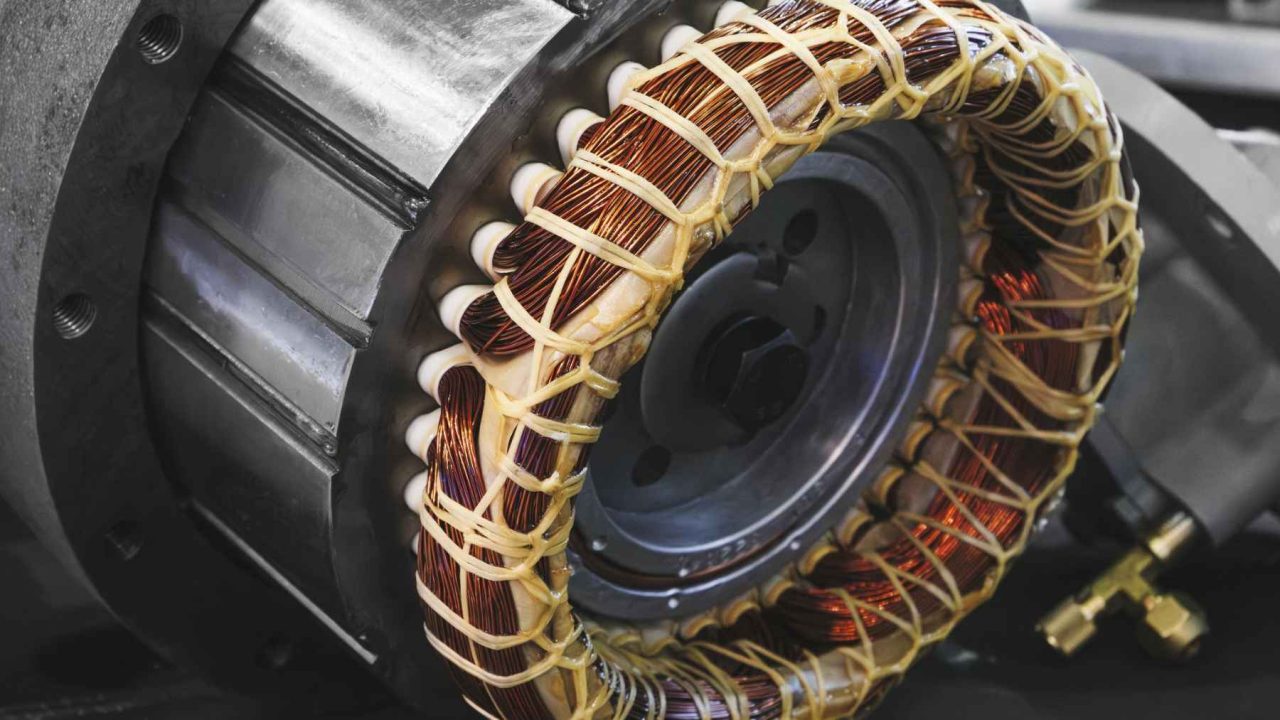
Electric motors work by using magnetic fields to push and pull a spinning rotor. Many of the most efficient designs rely on permanent magnets — components that hold their magnetic strength on their own, without drawing extra power. That self-sufficiency is a big deal. It means the motor can do more work with less energy, which translates directly into driving range.
The problem is heat. As temperatures rise inside a motor — whether from hard acceleration, stop-and-go traffic, or a hot summer day — permanent magnets can begin to lose their strength. And once a magnet weakens, the motor becomes less efficient. Less efficiency means more battery drain. More battery drain means shorter range, more frequent charging, and faster wear on the entire system.
This is not a fringe concern. It is a physics reality that engineers have been working around for years, largely by relying on rare-earth elements like neodymium to build magnets that hold up under stress. Those materials work — but they are expensive, geopolitically sensitive, and not exactly easy to source sustainably.
What the University of New Hampshire Research Actually Found
The study, published on October 24, 2025, describes how the University of New Hampshire team built something called the Northeast Materials Database — a catalog containing 67,573 magnetic materials entries. That is not a typo. More than 67,000 entries, assembled with the help of an advanced AI system designed to sift through materials science data at a scale no human team could manage manually.
From that database, the AI models identified 25 candidate materials predicted to remain magnetic above approximately 440 degrees Fahrenheit — a temperature threshold that matters in real-world electric motor conditions.
The goal, according to lead author Suman Itani, is to “reduce dependence on rare-earth elements.” Co-author Jiadong Zang said he is “optimistic” that better data combined with AI can make new magnet options achievable. The research team also included Yibo Zhang.
The significance here goes beyond academic interest. If researchers can identify materials that stay magnetically stable at high temperatures — and do so without relying on rare-earth elements — it could reshape how electric motors are built and what they cost.
Key Numbers From the Research
| Detail | Figure |
|---|---|
| Database entries catalogued | 67,573 magnetic materials |
| Top candidate materials identified by AI | 25 |
| Heat stability threshold targeted | Above ~440°F |
| Study publication date | October 24, 2025 |
| Funding source | U.S. Department of Energy |
| Lead institution | University of New Hampshire |
The Rare-Earth Problem Nobody Talks About at the Dealership
When you walk into an EV dealership, nobody hands you a brochure about neodymium. But rare-earth elements are at the core of why today’s high-performance electric motors work as well as they do — and they come with serious strings attached.
These materials are difficult to mine, concentrated in a small number of countries, and expensive to process. Building a global EV industry on a foundation of rare-earth dependency creates supply chain risks that go well beyond what any single automaker can control. A disruption in supply — whether from trade tensions, mining restrictions, or environmental regulations — can ripple through production lines fast.
That is exactly why the University of New Hampshire research matters beyond the lab. Finding heat-stable magnetic materials that do not rely on rare-earth elements would give manufacturers more flexibility, potentially lower costs, and reduce the geopolitical exposure that currently shadows the entire EV supply chain.
- Rare-earth magnets are effective but expensive and geopolitically risky
- Heat causes permanent magnets to lose strength, reducing motor efficiency
- Reduced motor efficiency leads directly to shorter driving range
- AI-assisted materials discovery could open up alternatives at scale
- The Northeast Materials Database now gives researchers a starting point with over 67,000 entries to work from
What This Means for Anyone Considering an Electric Vehicle
If you are shopping for an EV right now, this research does not change what is on the lot today. The motors in current electric vehicles were designed with existing materials, and they function reliably under normal conditions. But it does offer a window into where the technology is heading — and why the next generation of EVs may perform better in heat, last longer, and cost less to build.
For consumers in hot climates especially, motor performance under high temperatures is a real-world issue that does not always get the same attention as cold-weather battery degradation. Both matter. This research suggests the scientific community is paying closer attention to the heat side of that equation.
The broader takeaway is that the EV industry’s long-term trajectory depends on solving materials problems that most people have never heard of. Batteries get the headlines. But magnets, it turns out, deserve a much closer look.
What Comes Next for This Research
The University of New Hampshire team has identified 25 promising candidates from their AI-assisted screening. The next steps — physical testing, refinement, and eventual real-world application — will take time. Materials science research rarely moves in a straight line from database to finished product.
What the team has built, though, is a foundation. A catalog of more than 67,000 entries, a set of trained AI models, and a shortlist of materials worth pursuing. With U.S. Department of Energy backing, the research has institutional support that could help accelerate the path from discovery to application.
Whether any of these 25 candidates eventually end up inside a commercial electric motor remains to be seen. But the direction of the work — using AI to find better, cheaper, more heat-resistant magnetic materials — reflects where serious EV research is quietly heading.
Frequently Asked Questions
Why do magnets matter in an electric car?
Permanent magnets help electric motors run efficiently without drawing extra power. If those magnets weaken from heat, the motor becomes less efficient and the car’s range drops.
What temperature threshold were researchers targeting?
The University of New Hampshire team focused on materials predicted to remain magnetic above approximately 440 degrees Fahrenheit, a range relevant to real electric motor conditions.
How many materials did the AI system screen?
The team built the Northeast Materials Database with 67,573 magnetic materials entries, and their AI models identified 25 top candidates from that catalog.
Who conducted this research and who funded it?
The study was conducted by researchers at the University of New Hampshire, including lead author Suman Itani, co-author Jiadong Zang, and Yibo Zhang, with support from the U.S. Department of Energy.
Will this research change electric cars available today?
Not immediately. The research identifies promising materials for future development, but moving from a scientific shortlist to a commercially manufactured motor component takes additional testing and time.
Why is reducing rare-earth dependence a priority?
Rare-earth elements used in current high-performance magnets are expensive, difficult to source, and concentrated in a limited number of countries, creating supply chain and cost risks for the global EV industry.




Leave a Reply