
Darkness moving faster than light. Humans still actively evolving. Polar bears in some regions getting heavier than ever. This week in science delivered a run of stories that genuinely stop you mid-scroll — and each one challenges something most of us assumed we already understood.
The headlines come on the heels of last week’s high-profile Artemis II mission splashdown, and the scientific community appears to have kept pace with that energy. From physics labs to Arctic ice fields to the ethics of a seafood dinner, the stories emerging this week span an unusually wide range of disciplines — and they all carry real implications.
Here’s what the science world has been talking about, and why these findings matter beyond the headlines.
Faster-Than-Light Darkness: The Physics Story Everyone Is Getting Wrong
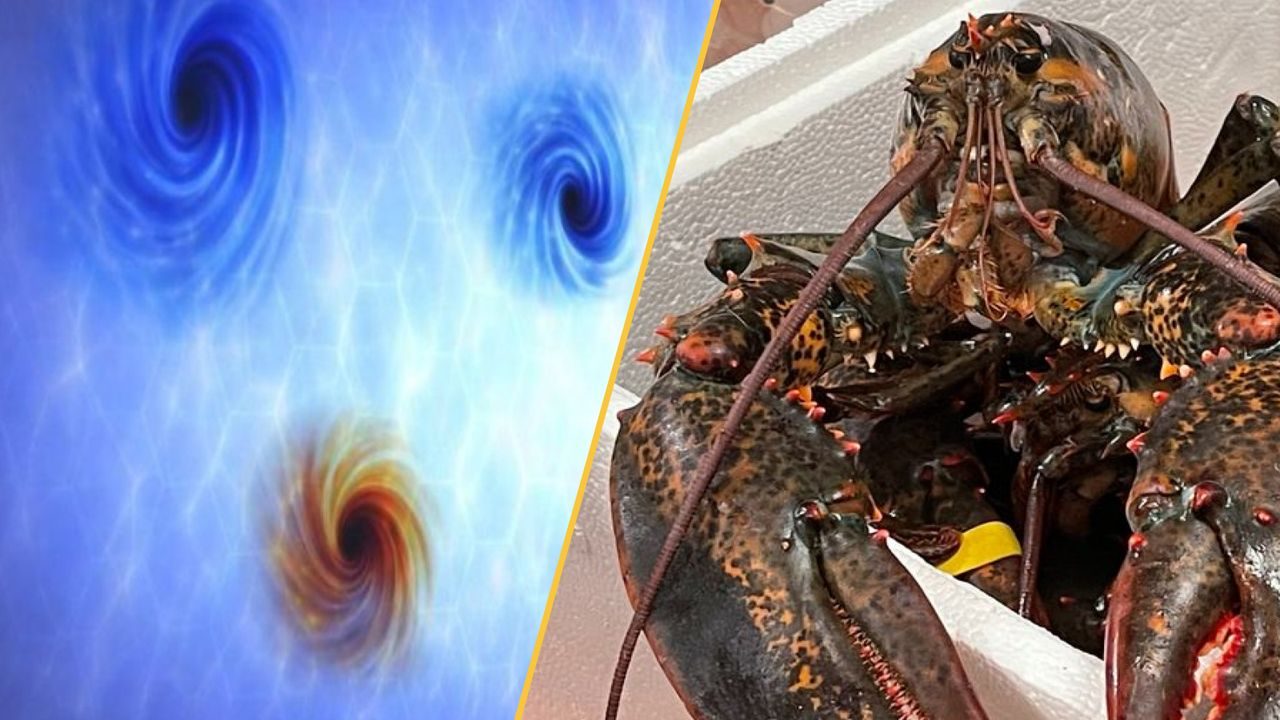
The phrase “faster than light” tends to set off alarm bells — it sounds like bad science or science fiction. But physicists this week documented something genuinely strange: pinpricks of darkness moving faster than the speed of light within light and sound wave patterns.
Before anyone dismantles Einstein’s legacy, it’s worth understanding what’s actually happening here. What researchers observed are called singularities — specific points within wave structures where the wave essentially cancels itself out, creating a point of zero intensity, or darkness. These points can shift across a surface faster than light travels, without any physical object or information actually moving at that speed.
Think of it like the dot of a laser pointer swept quickly across a wall. The dot itself can move faster than light if you swing your wrist fast enough — but nothing physical is traveling between the two points. No particle, no signal, no information crosses that distance. The same principle applies here, but with a level of mathematical precision that makes it genuinely worth paying attention to.
Researchers studying singularities in both light and sound waves have found these faster-than-light darkness points behaving in ways that are still being mapped and understood. It doesn’t break physics — but it does expand our picture of what wave behavior can look like at its most extreme.
Humans Are Still Evolving — And the Evidence Is Surprisingly Recent
Evolution tends to feel like something that happened to our ancestors — ancient, slow, and finished. This week’s research pushes back hard on that assumption. Scientists have found that humans have evolved significantly over the past 10,000 years, a timeframe that is extraordinarily short by evolutionary standards.
Ten thousand years ago, agriculture was just beginning. Written language didn’t exist. And yet measurable genetic changes have taken hold in human populations across that period — changes tied to diet, disease resistance, climate adaptation, and other pressures that came with the shift from hunter-gatherer life to settled civilization.
This isn’t abstract. The ability to digest lactose into adulthood, for example, is a relatively recent evolutionary development found in populations with long histories of dairy farming. Resistance to certain infectious diseases has also shifted genetically in populations repeatedly exposed to specific pathogens. The picture that emerges is of evolution not as a closed chapter, but as an ongoing process — one that is still shaping the human body in response to modern pressures.
What’s less clear, and what researchers continue to investigate, is how contemporary environments — sedentary lifestyles, processed food, medical interventions that allow more people to survive and reproduce — are influencing the direction of that evolution now.
The Polar Bears Getting Fatter Than Ever
Polar bears are one of the most visible symbols of climate-related wildlife stress. Shrinking sea ice, disrupted hunting seasons, and declining body conditions in many populations have been well documented. That’s what makes this week’s finding so striking: some polar bears are getting fatter than ever.
The bears in question appear to be accessing food sources that are compensating — at least for now — for the losses caused by warming conditions. Exactly which populations are showing this trend, and what they’re eating to achieve it, remains part of the ongoing research picture. But the finding complicates the straightforward narrative that climate change is uniformly devastating polar bear populations everywhere.
That doesn’t mean the broader threat has disappeared. Researchers and conservationists are careful to note that regional variation in outcomes doesn’t erase the systemic pressures facing the species. Some populations are struggling severely. Others, it turns out, are finding ways to adapt — at least in the short term. Whether that adaptation is sustainable as conditions continue to change is the harder question.
Reconsidering the Lobster: What the Pain Research Actually Shows
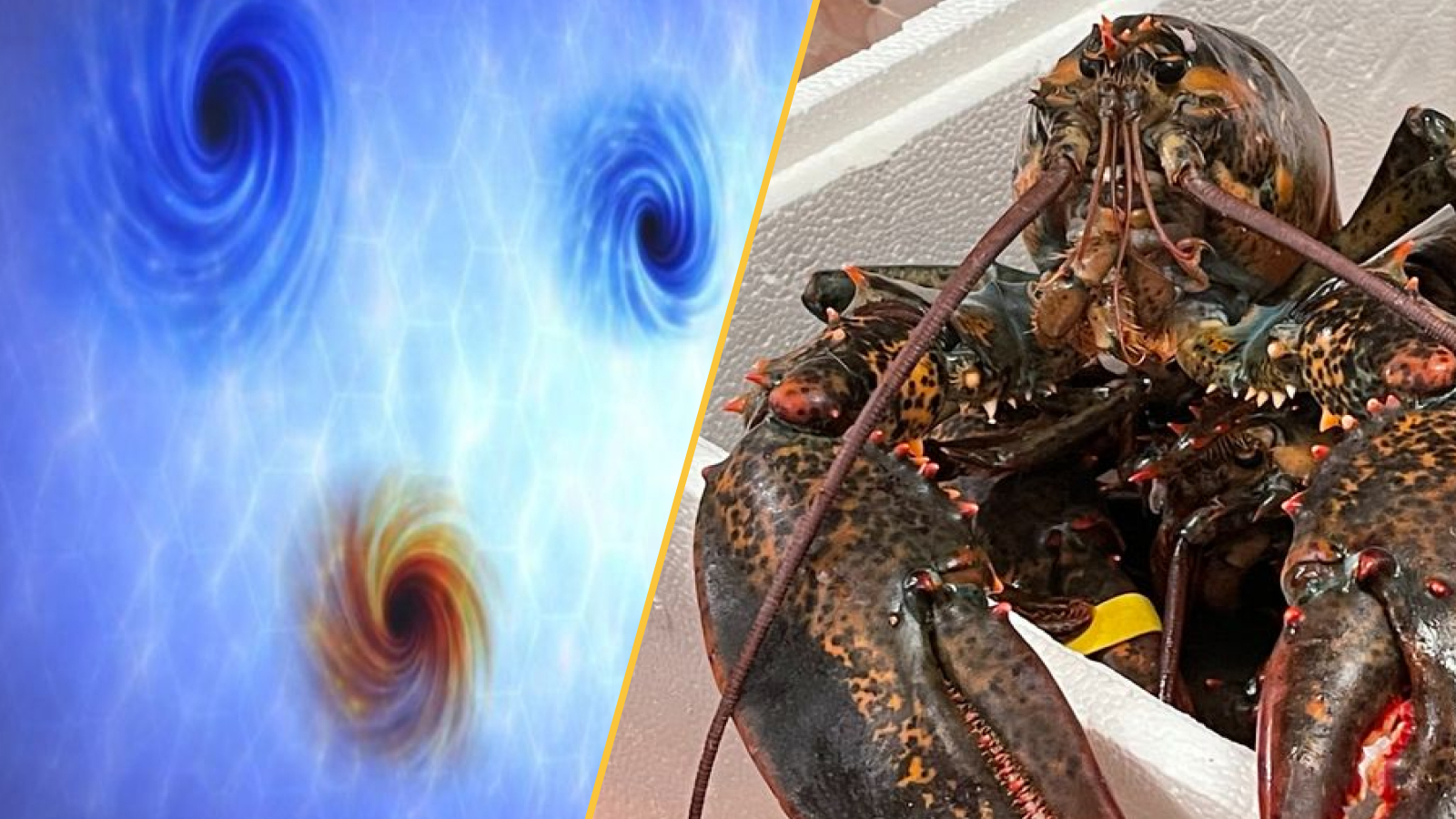
One of the quieter but more ethically loaded stories this week concerns lobsters and the question of whether they experience pain. This debate has surfaced repeatedly in scientific literature, and this week it returned to the news cycle.
The question matters practically — lobsters are boiled alive in kitchens around the world, and if they experience something meaningfully like pain, that carries real ethical weight for how we treat them. Several countries have already moved to update animal welfare laws based on emerging evidence about crustacean sentience.
The science here is genuinely unsettled. Lobsters have a decentralized nervous system quite different from vertebrates, which makes direct comparisons difficult. But research has shown behavioral responses to harmful stimuli that go beyond simple reflex — responses that at least raise the question of whether something more complex is happening.
This Week’s Science Stories at a Glance
| Story | Field | Key Finding |
|---|---|---|
| Faster-than-light darkness pinpricks | Physics | Singularities in light and sound waves observed moving faster than light |
| Humans still evolving | Evolutionary biology | Significant human evolution documented over the past 10,000 years |
| Polar bears getting fatter | Wildlife science | Some endangered polar bear populations showing increased body mass |
| Lobster pain research | Animal behavior / ethics | Ongoing scientific debate over whether lobsters experience pain |
What to Watch Going Forward
The faster-than-light darkness research is likely to generate follow-up studies as physicists work to map the full behavior of these singularities in different wave types. The findings don’t overturn established physics, but they open new questions about wave mechanics worth tracking.
On the evolutionary biology front, researchers are expected to continue building on the 10,000-year dataset, with particular interest in how modern medicine and lifestyle changes are creating new selection pressures that previous generations never faced.
The polar bear findings will feed into broader conservation planning discussions — particularly around whether regionally positive trends in body condition can inform more nuanced management strategies for a species still listed as vulnerable.
And the lobster question isn’t going away. As animal welfare science advances, the legal and ethical frameworks around crustacean treatment are likely to keep evolving alongside it.
Frequently Asked Questions
Can darkness actually travel faster than the speed of light?
Yes, under specific conditions — but no physical object or information is moving. The effect involves singularities in wave patterns shifting position faster than light, without violating the laws of physics.
How do we know humans have evolved in the last 10,000 years?
Genetic research has identified measurable changes in human DNA over that period, linked to adaptations in diet, disease resistance, and responses to new environmental pressures brought on by civilization.
Are all polar bear populations getting fatter?
No — this week’s finding applies to some populations. Other polar bear groups continue to face serious challenges from habitat loss and reduced hunting opportunities due to warming conditions.
Do lobsters feel pain?
The science is still debated. Lobsters show behavioral responses to harmful stimuli that go beyond simple reflex, but their nervous system is very different from vertebrates, making direct comparisons difficult.
Does the faster-than-light darkness finding mean Einstein was wrong?
No. The effect does not involve any physical object or signal traveling faster than light, so it does not contradict the theory of relativity.
What is a singularity in a wave?
In this context, a singularity is a point within a wave where the intensity drops to zero — essentially a point of complete darkness or silence — that can shift position across a surface faster than light.


Leave a Reply