
More than 70% of Florida is currently locked in what federal monitors classify as “extreme” to “exceptional” drought — the worst the state has seen in 15 years. The ground is cracked, water levels are dropping, and even the Everglades, one of the most water-rich ecosystems in North America, has not been spared.
This isn’t a short-term dry spell. The drought gripping Florida right now is deep, widespread, and showing few signs of breaking. Northern Florida is bearing the worst of it, and recent rainfall has done almost nothing to ease conditions on the ground.
If you live in Florida, or have family there, or care about what happens to one of the country’s most ecologically sensitive states, this is a story worth understanding.
Florida’s Drought Is the Worst It’s Been Since 2010
The U.S. Drought Monitor — the federal agency that tracks drought conditions across the country — has placed the majority of Florida in its two most severe categories: “extreme” and “exceptional” drought. Those aren’t just labels. They signal significant stress on water supplies, ecosystems, agriculture, and communities that depend on groundwater.
To put it in context, conditions this bad haven’t been recorded in Florida in roughly 15 years. The last time the state faced a drought of comparable intensity was around 2010 — and before that, the early 2000s saw similar crises that caused lasting environmental damage.
Northern Florida is currently the hardest-hit region, with the driest conditions in the entire state. That’s notable because northern Florida doesn’t have the same national profile as Miami or the Keys — but it plays a critical role in the state’s water systems and agricultural output.
How the Everglades Got Caught in the Middle
When people think of drought, they often picture cracked earth in the desert Southwest. Florida feels different — it’s humid, tropical, and surrounded by water. So the fact that even the Everglades is being affected by this drought tells you just how serious the situation has become.
The Everglades and nearby reserves rely on a delicate balance of rainfall and water flow to sustain their ecosystems. When that balance is disrupted — when the rain simply doesn’t come — water levels fall, wetlands dry out, and the plants and animals that depend on those conditions face serious stress.
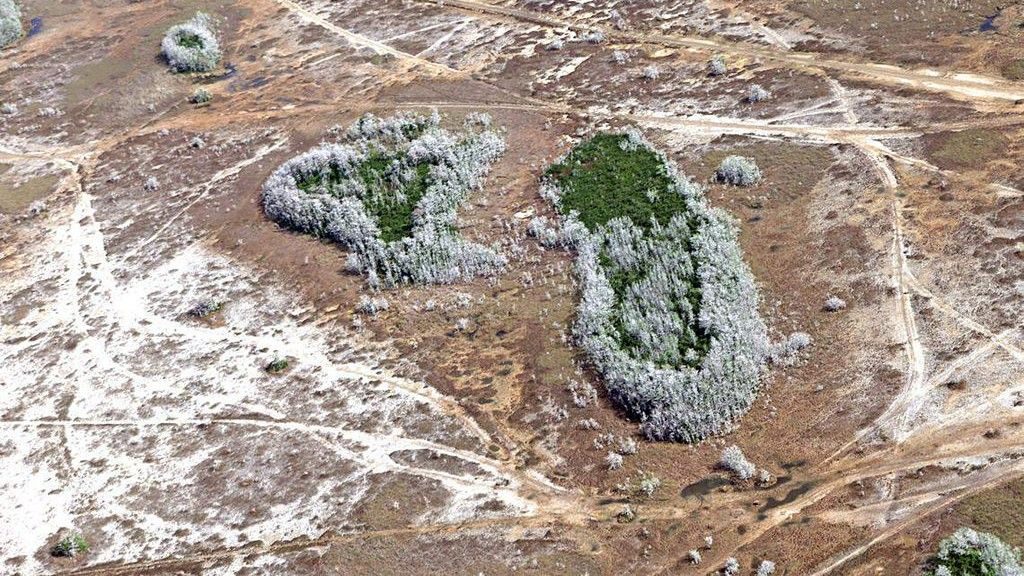
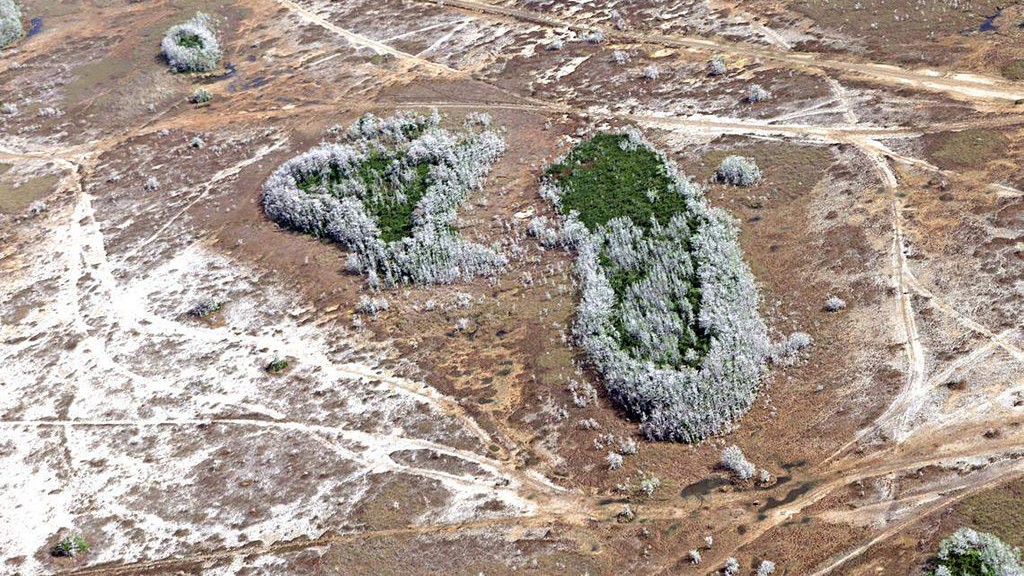
Aerial images of the Everglades taken during this drought show just how visibly the landscape has changed. What should be a sprawling, saturated wetland looks markedly drier than normal. The consequences for wildlife, water quality, and fire risk in the region are significant.
What the Drought Data Actually Shows
The U.S. Drought Monitor uses a five-tier classification system to track drought severity across the country. Here’s how those categories break down, and where Florida currently sits:
| Drought Category | Classification Code | Description |
|---|---|---|
| Abnormally Dry | D0 | Short-term dryness slowing crop growth; fire risk elevated |
| Moderate Drought | D1 | Some damage to crops; streams and wells low |
| Severe Drought | D2 | Crop losses likely; water shortages common |
| Extreme Drought | D3 | Major crop losses; widespread water shortages |
| Exceptional Drought | D4 | Exceptional and widespread crop and pasture losses; water emergencies |
According to the latest drought data, more than 70% of Florida is currently sitting at D3 or D4 — the two most severe tiers. That’s an extraordinary figure for a state that typically receives abundant rainfall throughout the year.
- Northern Florida is experiencing the driest conditions statewide
- Recent rainfall has provided almost no meaningful relief
- Forecasts at the time of reporting showed no significant rain on the horizon
- Conditions have not been this severe in approximately 15 years
Who Gets Hit Hardest When Florida Dries Out
Florida is the third most populous state in the country, with more than 22 million residents. A drought of this scale touches almost every part of daily life — even if the effects aren’t always immediately visible to people living in cities.
Farmers across the state are facing crop stress and potential losses. Florida is one of the country’s largest producers of citrus, tomatoes, and other produce, and prolonged drought without irrigation relief can be devastating to harvests and livelihoods.
Water utilities are watching reservoir and aquifer levels closely. In areas that depend on groundwater — which includes large parts of Florida — a sustained drought depletes the underground reserves that communities rely on for drinking water, irrigation, and industrial use.
Wildfire risk also climbs sharply during drought conditions. Dried-out vegetation in places like the Everglades and surrounding reserves becomes fuel. Florida already deals with a significant wildfire season, and drought conditions can extend and intensify that risk considerably.
For residents, the practical effects can range from water use restrictions and higher utility costs to reduced water pressure and well failures in rural areas. Those living near wetland ecosystems may also notice changes in local wildlife behavior as animals seek water sources that are shrinking.
What Comes Next — and When Relief Might Arrive
This is the part of the story that offers the least comfort. Based on the data available at the time of reporting, forecasts showed no meaningful rainfall on the near-term horizon for the most affected parts of Florida.
Drought recovery doesn’t happen overnight. Even when rain does return, it typically takes weeks of consistent, above-average precipitation to meaningfully reverse extreme or exceptional drought conditions. Groundwater levels, in particular, can take months or even longer to recover after a prolonged dry period.
Water managers and environmental officials across the state will be monitoring conditions closely as Florida moves further into the year. The situation in the Everglades and surrounding reserves is being watched with particular concern, given the ecological sensitivity of those areas and the long-term restoration efforts already underway there.
For now, the Sunshine State is waiting for rain that isn’t coming — and managing the consequences of a drought that has already become historic.
Frequently Asked Questions
How bad is Florida’s current drought?
More than 70% of Florida is experiencing “extreme” to “exceptional” drought conditions, according to the U.S. Drought Monitor — the worst the state has seen in approximately 15 years.
Which part of Florida is hit hardest?
Northern Florida is currently experiencing the driest conditions in the state, according to the latest drought monitoring data.
Is the Everglades affected by the drought?
Yes. The drought has reached even the Everglades and nearby reserves, which are among the most water-dependent ecosystems in the country.
Has recent rainfall helped ease the drought?
According to the latest drought data, recent rainfall has brought almost no meaningful relief to the affected areas.
When will the drought end?
Forecasts at the time of reporting showed no significant rain on the near-term horizon. A full drought recovery typically requires weeks of sustained above-average rainfall, and groundwater recovery can take considerably longer.
Is this the worst drought Florida has ever had?
It is the most intense drought Florida has experienced in roughly 15 years, but whether it ultimately becomes the worst on record will depend on how long conditions persist going forward.



Leave a Reply