
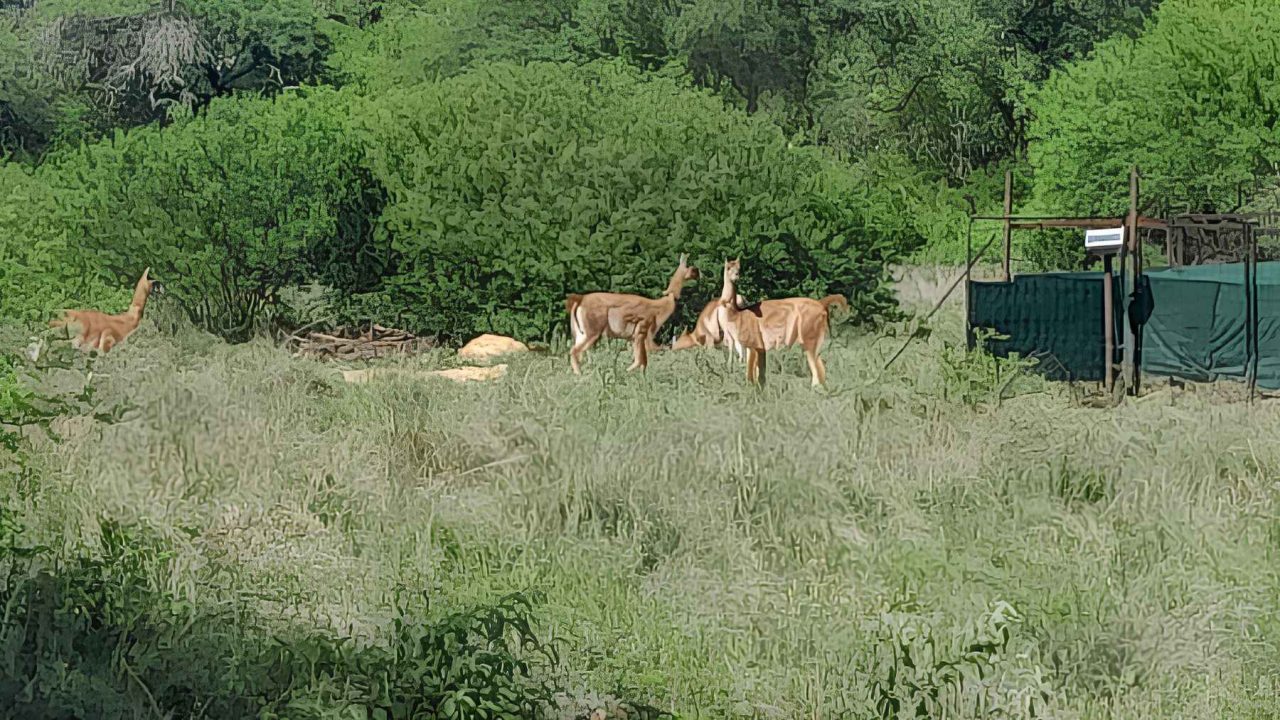
For the first time in roughly 110 years, guanacos are walking the grasslands of Argentina’s El Impenetrable National Park — and conservationists say their return could fundamentally change the way this fire-prone landscape functions.
The animals didn’t simply wander back on their own. They were deliberately transported approximately 2,000 miles, or about 3,200 kilometers, from Patagonia in southern Argentina to the Chaco province in the country’s north. It was a massive logistical undertaking announced in December 2025 through an official government post and a field report from Rewilding Argentina, the organization behind the effort.
What makes this story remarkable isn’t just the distance traveled or the time elapsed. It’s what the return of a single large mammal could mean for an entire ecosystem that has spent more than a century without it.
What Guanacos Are — and Why the Dry Chaco Needs Them Back
The guanaco is a large wild camelid, closely related to llamas and alpacas. In the Dry Chaco, it once roamed open grasslands scattered with small patches of forest and savanna-like terrain. It was a native presence so established that the Qom people, an Indigenous community of the region, had their own traditional name for the animal.
A Qom community informant named Montiel Romero recalled that “había nawananga por todo el Chaco” — meaning there were guanacos throughout the entire Chaco. That oral memory stretches back generations, and it speaks to just how deeply woven into the landscape these animals once were.
“había nawananga por todo el Chaco” — Montiel Romero, Qom community informant
Over time, fences and highways carved up the region, fragmenting habitat and cutting off the migration routes that large grazing animals depend on. Combined with hunting pressure and land-use changes, those disruptions were enough to eliminate guanacos from the Chaco entirely — leaving a grassland ecosystem without one of its key grazers for more than a century.
The Key Facts Behind Argentina’s Guanaco Reintroduction
Here’s what is confirmed from
| Detail | Information |
|---|---|
| Species reintroduced | Guanaco (large wild camelid) |
| Location | El Impenetrable National Park, Chaco province, Argentina |
| Origin of animals | Patagonia, southern Argentina |
| Distance transported | ~2,000 miles (~3,200 km) |
| Years absent from region | ~110 years |
| Announcement date | December 2025 |
| Lead organization | Rewilding Argentina |
Why This Could Reshape the Ecosystem From Day One
The phrase “reshape the ecosystem from day one” isn’t just dramatic language. When a large grazing mammal returns to a landscape it once shaped, the effects can be immediate and cascading.
Grazing animals like guanacos naturally manage grass growth. In fire-prone environments like the Dry Chaco, dense, overgrown grassland acts as fuel. By grazing, guanacos can reduce that fuel load — potentially making the difference between a manageable fire and a catastrophic one.
Conservation officials have noted that one of the explicit goals of this reintroduction is to make the landscape less vulnerable to runaway fires. That’s not a secondary benefit — it’s a central reason the project exists.
Beyond fire risk, the return of a large native grazer typically triggers a chain of ecological responses. Soil composition changes. Plant diversity can increase. Predator-prey dynamics shift. Other species that depend on open grassland may benefit. The Dry Chaco has been missing this piece for over a century, and its absence has left the ecosystem structurally incomplete.
What the 110-Year Gap Actually Means
A century is a long time in ecological terms. Multiple generations of every other species in El Impenetrable have lived their entire lives without guanacos present. The grasslands have grown and burned and regrown without a large native grazer keeping them in check.
That’s part of what makes this reintroduction so significant — and so closely watched. Rewilding projects like this one are increasingly recognized as one of the most effective tools available for restoring degraded ecosystems. But they require careful planning, long-term monitoring, and, often, the cooperation of Indigenous communities who carry historical knowledge about how these animals once lived in the landscape.
The involvement of the Qom community in this project — evidenced by Montiel Romero’s testimony about the guanaco’s historical presence — reflects a broader recognition that Indigenous memory is a legitimate and valuable source of ecological data.
What Happens Next for El Impenetrable
The December 2025 announcement marked the beginning of the reintroduction, not the end. Rewilding projects of this scale typically involve ongoing monitoring of the animals’ health, movement, and integration into the ecosystem — though
What is clear is that Argentina and Rewilding Argentina view this as a restoration project with long-term ecological ambitions. The guanaco’s return is framed not as a symbolic gesture, but as a functional intervention — one designed to make the Dry Chaco more resilient, less fire-prone, and closer to the ecosystem it was before human activity dismantled it piece by piece.
For a landscape that lost this animal 110 years ago, the work of getting it back has only just begun.
Frequently Asked Questions
What is a guanaco?
A guanaco is a large wild camelid native to South America, closely related to llamas and alpacas. It once roamed the open grasslands and savanna-like areas of Argentina’s Dry Chaco region.
Why did guanacos disappear from the Chaco?
According to conservation officials, the combination of hunting pressure, fences, and highways that fragmented the habitat eliminated guanacos from the region roughly 110 years ago.
Where did the reintroduced guanacos come from?
The animals were transported from Patagonia in southern Argentina, traveling approximately 2,000 miles (3,200 kilometers) to El Impenetrable National Park in Chaco province.
Who organized the reintroduction?
The project was led by Rewilding Argentina and announced in December 2025 through an official government post and a field report from the organization.
How could guanacos reduce wildfire risk?
As large grazers, guanacos naturally reduce the buildup of dense grass that acts as fuel for fires. Reducing that fuel load is one of the stated goals of the reintroduction project.
How many guanacos were released?
The specific number of animals released has not been confirmed in the available source material.



Leave a Reply