
A condition affecting millions of people worldwide just got a new name — and the change is far more significant than it might first appear. After 14 years of work and input from more than 14,000 patients and health professionals, polycystic ovary syndrome is officially being renamed. That’s the kind of scientific consensus that rarely moves quickly, which is why this week’s announcement landed with such force across the medical community.
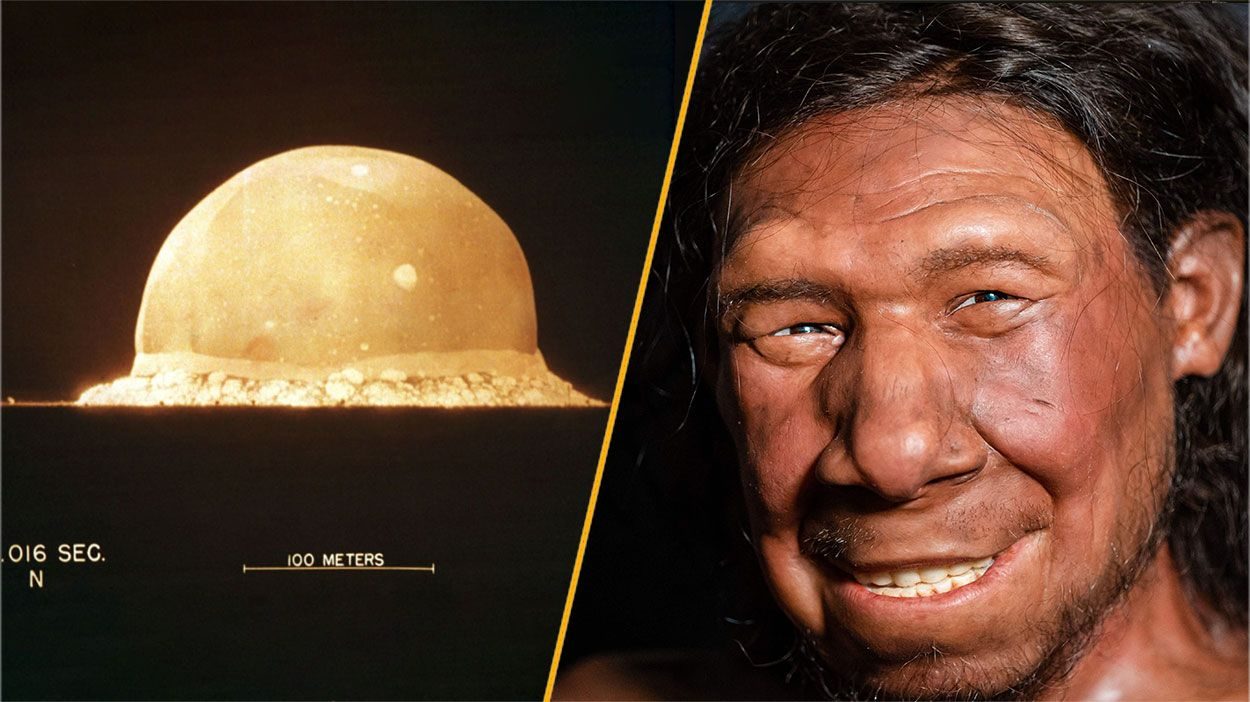
But that wasn’t the only story turning heads in science this week. Researchers also shed new light on Neanderthals’ surprisingly sophisticated dental practices, and scientists uncovered a bizarre “alien” crystal born from the world’s first nuclear bomb detonation. It was, in short, a week that reminded us how strange and surprising the natural world — and human history — can be.
Here’s what you need to know about the biggest science stories making waves right now.
PCOS Has a New Name — and the Reason Why Actually Matters
For decades, polycystic ovary syndrome — better known as PCOS — has been one of the most common hormonal conditions affecting people with ovaries. But the name has long frustrated researchers and patients alike, because it points to something that isn’t quite accurate.
The term “polycystic” implies that those with the condition have a higher number of pathological, noncancerous ovarian cysts compared to those without it. That’s not actually what’s happening. What people with this condition have is a large number of “arrested follicles” — ovarian eggs that have failed to fully mature. Those aren’t the same thing as cysts, and calling them that has caused real confusion about what the disease actually is and how it should be treated.
The new official name is polyendocrine metabolic ovarian syndrome, or PMOS. The updated terminology is designed to more accurately reflect the underlying biology — a condition rooted in endocrine and metabolic dysfunction, not simply an ovarian cyst problem.
This isn’t just a semantic argument. Advocates for the name change have long argued that the old label contributed to misdiagnosis, delayed treatment, and a general misunderstanding of the condition’s complexity — both among patients trying to understand their own bodies and among some clinicians approaching it too narrowly.
Why a 14-Year Process Matters More Than You Might Think
Medical naming conventions don’t change overnight, and they rarely change because of one study or one advocacy group. The fact that this renaming took 14 years and drew input from over 14,000 people — a mix of patients living with the condition and health professionals treating it — signals something meaningful: this wasn’t a top-down decision handed down from a single committee. It was built on an unusually broad base of evidence and lived experience.
That kind of process matters because it tends to produce names that stick. When a condition is renamed without broad buy-in, the old name often lingers in clinical settings and patient communities for years. With this level of consultation behind it, PMOS has a better chance of actually replacing PCOS in everyday use.
| Old Name | New Name | Key Difference |
|---|---|---|
| Polycystic Ovary Syndrome (PCOS) | Polyendocrine Metabolic Ovarian Syndrome (PMOS) | Reflects endocrine/metabolic dysfunction, not ovarian cysts |
| Implied: excess pathological ovarian cysts | Reflects: arrested follicles (immature eggs) | More biologically accurate description |
| 14-year renaming process | 14,000+ patients and professionals consulted | Unusually broad consensus for a medical renaming |
Neanderthals Were Doing Dentistry Long Before We Were
In a finding that challenges the long-held image of Neanderthals as purely primitive beings, researchers this week highlighted evidence that our ancient relatives may have been the world’s oldest dentists. The details of the specific study were covered in depth by Live Science, pointing to dental practices among Neanderthals that predate anything previously attributed to early humans in that domain.

It’s a reminder that Neanderthals were far more cognitively and behaviorally complex than popular culture has traditionally given them credit for. The capacity to recognize dental pain and attempt to address it — however rudimentary the method — suggests a level of self-awareness and problem-solving that continues to reshape how scientists understand our closest ancient relatives.
The “Alien” Crystal Born From an Atomic Bomb
Also capturing attention this week: the discovery — or rather, the deeper scientific examination — of a strange crystal that formed during the world’s first nuclear bomb test. Scientists have described the material as “alien” in character, meaning it has properties and a composition not found in naturally occurring Earth minerals.
The crystal emerged from the intense heat and energy unleashed by the first atomic bomb detonation, a moment in history that permanently altered both geopolitics and the physical landscape of the New Mexico test site. The fact that such an explosion could generate entirely novel mineral structures is a striking illustration of just how extreme the conditions of a nuclear blast actually are — conditions that don’t exist anywhere else on Earth’s surface.
Researchers studying these materials gain insight not just into nuclear history, but into the kinds of extreme environments found elsewhere in the universe — which is part of why the “alien” descriptor has stuck.
What These Stories Have in Common
At first glance, a hormone condition renaming, ancient dental practices, and atomic-age crystals don’t seem to belong in the same conversation. But they share something worth noticing: each one involves correcting or expanding a previous understanding.
- PCOS wasn’t named wrongly out of carelessness — the science simply wasn’t complete yet. Now it is.
- Neanderthals weren’t “primitive” in the ways we assumed — the evidence keeps accumulating to the contrary.
- Nuclear explosions weren’t just destructive — they created things that had never existed before.
Science, at its best, is a process of revision. This week offered three vivid examples of that in action.
Frequently Asked Questions
Why is PCOS being renamed to PMOS?
The old name incorrectly implied that people with the condition have more pathological ovarian cysts than those without it. The new name, PMOS, better reflects the actual biology: a condition involving arrested follicles and endocrine-metabolic dysfunction.
What are “arrested follicles”?
Arrested follicles are ovarian eggs that have failed to fully mature. They are distinct from pathological cysts, which the old PCOS name incorrectly suggested were the defining feature of the condition.
How long did the PCOS renaming process take?
The renaming process took 14 years and included input from more than 14,000 patients and health professionals before the new name was officially adopted.
What evidence exists that Neanderthals practiced dentistry?
What is the “alien” crystal connected to the first nuclear bomb?
It is a crystal formed during the world’s first atomic bomb test, described as “alien” because its properties and composition are not found in naturally occurring Earth minerals — produced by the extreme conditions of the explosion.
Will doctors and patients start using the name PMOS immediately?
This has not yet been confirmed in the available source material, though the broad 14,000-person consultation process behind the renaming suggests it was designed to support wide adoption across clinical and patient communities.


Leave a Reply