
What if the solution to Earth’s energy problem was sitting 238,000 miles away, wrapped around the Moon? That is exactly what one Japanese engineering concept proposes — a band of solar panels stretching roughly 11,000 kilometers around the lunar equator, beaming clean electricity back to Earth using microwaves or lasers.
It sounds like science fiction. And right now, it largely is. But the engineering logic behind the idea is more grounded than the headline suggests — and the problem it aims to solve is very real.
Solar power has transformed the global energy landscape over the past decade, getting dramatically cheaper and more widespread. But it still has one stubborn flaw: the sun goes down. Demand spikes in the evening, just as rooftop panels go dark. The Luna Ring concept is Japan’s answer to that problem — and it starts on the Moon.
What the Luna Ring Actually Is
The concept envisions wrapping the Moon’s equator with a continuous band of solar panels. Because the Moon is tidally locked to Earth — meaning the same face always points toward us — a ring along its equator would ensure that some portion of the array is always receiving sunlight, regardless of the time of day on Earth.
According to the proposal, the band would run approximately 6,800 miles around the Moon and could stretch up to about 250 miles wide. That is not a small installation. It would be one of the largest structures ever conceived by human engineering.
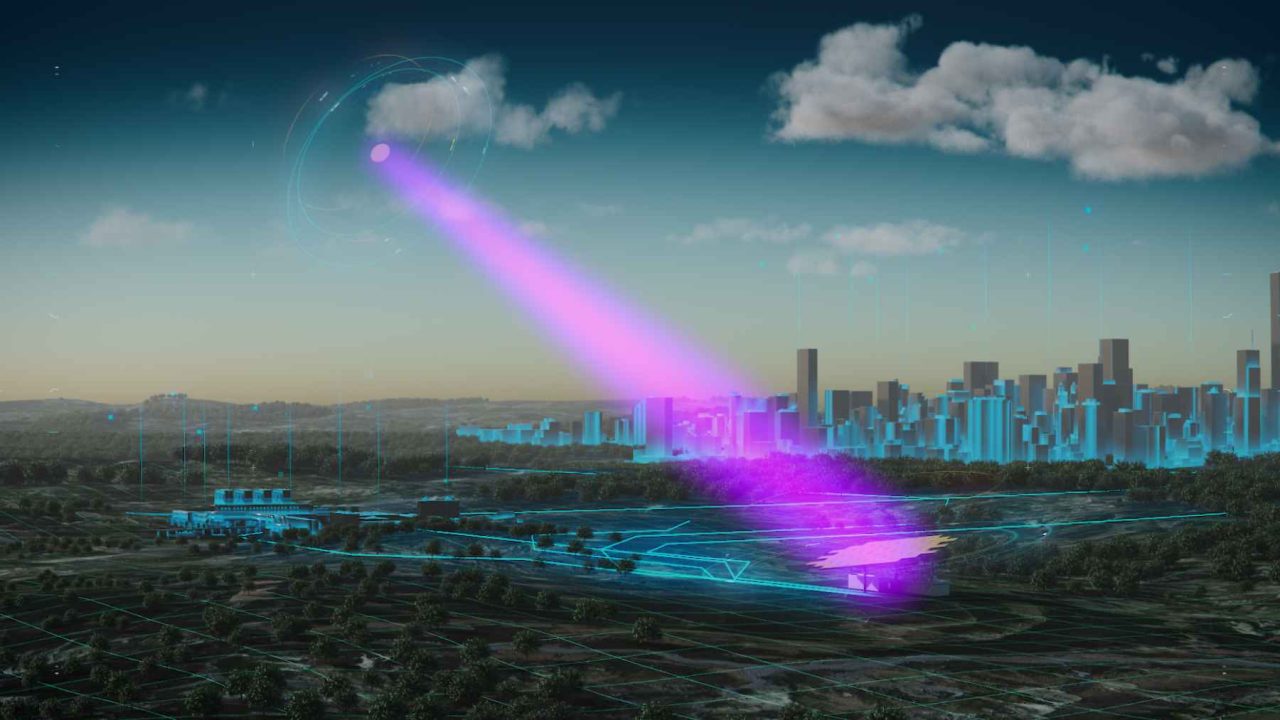
The plan would involve using lunar soil — called regolith — as a base material for construction. Panels would be laid across that surface, and the electricity generated would be transmitted back to Earth using directed energy beams, either microwaves or lasers, aimed at receiving stations on the ground.
Supporters have suggested construction could begin as early as 2035, though no public funding plan has been announced to support that timeline.
Why This Idea Exists at All
The core appeal is straightforward: space-based solar power does not have a day-night problem. There is no atmosphere to block sunlight, no weather to contend with, and no evening peak-demand crisis. A system generating power continuously from the Moon could theoretically provide a stable baseload of clean electricity that Earth-based renewables currently cannot match on their own.
The intermittency problem with solar is not a minor inconvenience. It is one of the central challenges facing the global transition away from fossil fuels. Battery storage helps, but at grid scale, the economics are still difficult. The Luna Ring sidesteps that challenge entirely by placing the panels somewhere sunlight is essentially constant.
The idea of transmitting energy wirelessly using microwaves or lasers is not new either. Researchers have studied space-based solar power for decades, and small-scale demonstrations of wireless energy transmission have already been conducted. The Luna Ring concept scales those ideas up by several orders of magnitude.
The Numbers Behind the Concept
| Feature | Detail |
|---|---|
| Ring circumference | Approximately 11,000 kilometers (about 6,800 miles) |
| Maximum band width | Up to approximately 250 miles |
| Location | Moon’s equator |
| Construction material base | Lunar soil (regolith) |
| Energy transmission method | Microwaves or lasers aimed at Earth receiving stations |
| Proposed construction start | As early as 2035 (no confirmed funding) |
The Obstacles Are Enormous — and Engineers Know It
Nobody working seriously on this concept is pretending the hurdles are small. They are not.
Building anything on the Moon requires first solving the problem of getting there — and getting enough equipment there to begin construction. Current launch costs, even with reusable rockets driving prices down, make large-scale lunar construction extraordinarily expensive. A structure this size would require either a massive fleet of supply missions from Earth or the development of in-situ manufacturing using lunar resources.
The regolith-as-construction-material idea addresses part of that problem. Using what is already on the Moon reduces the volume of material that needs to be launched from Earth. But the machinery needed to process that material, assemble the panels, and maintain the system still has to come from somewhere.
Then there is the energy transmission challenge. Beaming power across 238,000 miles with enough precision and efficiency to be useful at the receiving end requires technology that does not yet exist at the scale required. Microwave transmission is theoretically efficient, but the receiving antenna arrays on Earth would need to be enormous — and the question of what happens if a beam goes off-target is not trivial.
Critics of the proposal also point out that there is currently no confirmed funding, no international agreement on lunar construction rights, and no detailed engineering roadmap that has been made public. The 2035 construction start date cited by supporters remains speculative.
What Would Have to Go Right for This to Work
For the Luna Ring to move from concept to reality, several things would need to fall into place over the coming decades:
- Dramatic reductions in the cost of launching materials to the Moon
- Development of robotic or semi-autonomous construction systems capable of operating on the lunar surface
- Proven technology for long-range, high-efficiency wireless energy transmission
- International cooperation on lunar resource use and orbital rights
- A public or private funding commitment large enough to sustain decades of development
None of these are impossible. Some are already progressing. But the gap between “theoretically achievable” and “funded and scheduled” is where most moonshot concepts quietly fade.
Why This Story Is Worth Taking Seriously Anyway
Even if the Luna Ring never gets built, the conversation it generates matters. Space-based solar power is a legitimate area of research. Several countries and private organizations are actively studying how to harvest solar energy in orbit and transmit it to Earth. Japan’s concept is among the most ambitious versions of that idea, but it is not alone.
The underlying energy problem is real. The physics of space-based solar are sound. And the history of technology is full of ideas that seemed impossible until they were not.
Whether the Moon ends up wrapped in solar panels by 2035 or 2135 or never, the pressure to find clean, continuous energy sources is only going to grow. That makes proposals like this worth watching — even when the timeline looks optimistic and the funding remains hypothetical.
Frequently Asked Questions
What is the Luna Ring?
The Luna Ring is a Japanese engineering concept that proposes wrapping the Moon’s equator with a band of solar panels approximately 11,000 kilometers long to generate and transmit clean energy to Earth.
How would the energy get from the Moon to Earth?
The concept involves transmitting electricity using directed energy beams — either microwaves or lasers — aimed at receiving stations on Earth’s surface.
When could construction begin?
Supporters have suggested construction could start as early as 2035, but there is currently no confirmed public funding plan to support that timeline.
What would the panels be built on?
According to the proposal, the panels would be built on a base made from lunar soil, known as regolith, to reduce the amount of material that would need to be launched from Earth.
Is this concept fully funded and approved?
No. The Luna Ring remains a proposal with no confirmed public funding or approved construction roadmap as of the information available.
Why build on the Moon instead of just using Earth-based solar?
Space-based solar has no day-night cycle and no weather interference, meaning it could generate power continuously — addressing the intermittency problem that limits conventional solar panels on Earth.




Leave a Reply