
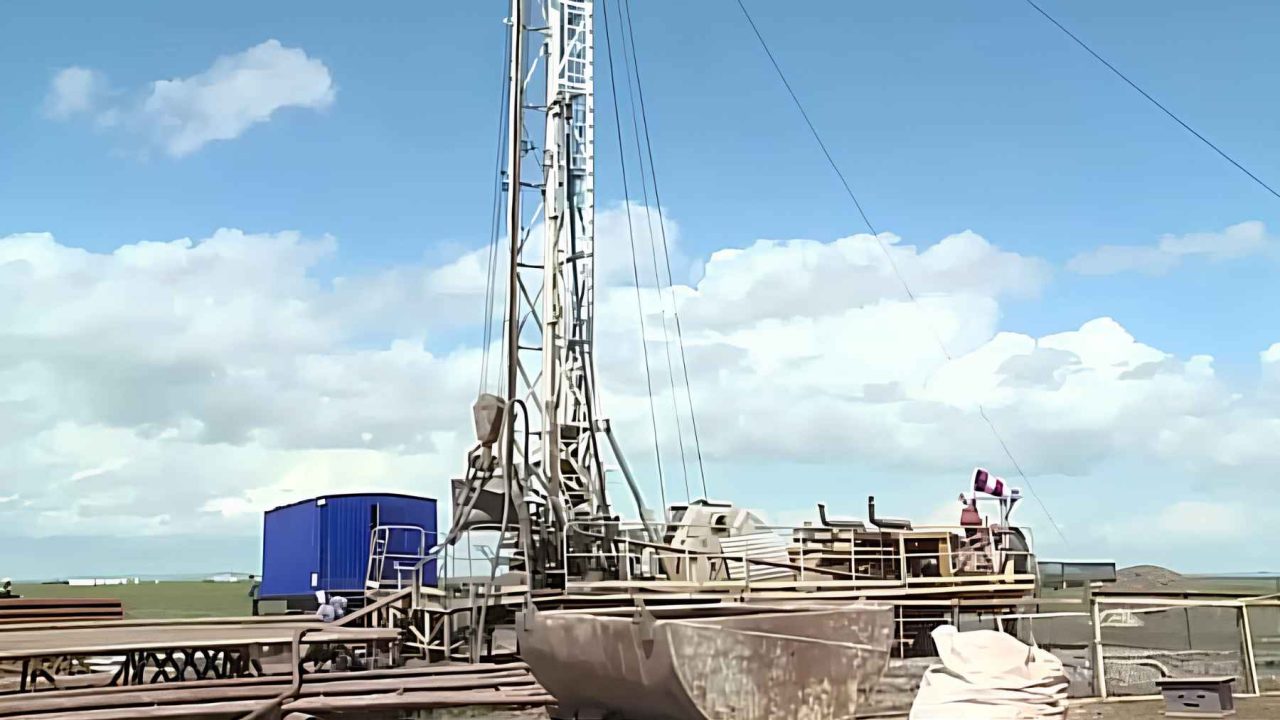
Kazakhstan just announced the discovery of 38 promising mineral deposits in a single quarter — including roughly 19 metric tons of gold, nearly 3 million U.S. tons of rare earth metals, and over a billion tons of brown coal. The numbers are staggering. But if you look past the gold, the real story is about something far more consequential for the global clean energy economy.
The metals buried beneath Kazakhstan’s steppes aren’t just valuable in the traditional sense. They’re the raw materials that make electric cars run, wind turbines spin, and smartphones function. That shifts this story from a regional mining announcement into something that touches the supply chains most of us depend on every day — whether we realize it or not.
And yet, for all the headline-grabbing figures, there’s quite a bit officials aren’t saying. The gap between “identified deposits” and “operating mines” is enormous, and the environmental and logistical questions are only beginning to be asked.
What Kazakhstan Actually Found — and How They Found It
In the first quarter of 2025, Kazakhstani geological teams identified 38 promising mineral deposits as part of a broader national survey effort. This wasn’t a single lucky strike. It was the result of a coordinated push using aerial image analysis, field surveys, drilling, water testing, radiation testing, geochemical analysis, and desk studies — all designed to systematically narrow down exploration targets across an enormous territory.
The country is working toward expanding its geological and geophysical survey coverage to approximately 850,000 square miles by 2026. That’s a massive undertaking, and the early-2025 results are being presented as proof the strategy is working.
Officials have noted that the early estimates are intentionally broad — these are prospective figures, not confirmed reserves ready for extraction. The difference matters enormously in the mining world, where initial deposit estimates routinely get revised downward once detailed engineering studies begin.
The Numbers Behind the Discovery
Here’s a breakdown of what was reported across the 38 newly identified deposits:
| Resource | Estimated Quantity |
|---|---|
| Gold | 19 metric tons (approx. 21 U.S. tons) |
| Rare earth metals | Approx. 2.9 million U.S. tons |
| Copper and nickel | Approx. 4.1 million U.S. tons |
| Brown coal | Approx. 1.2 billion U.S. tons |
| Total deposits identified | 38 promising sites |
| Survey coverage target (by 2026) | Approx. 850,000 square miles |
The gold figure naturally dominates headlines. But look at the rare earths number — 2.9 million U.S. tons is the kind of figure that gets the attention of technology manufacturers and governments trying to reduce dependence on existing rare earth supply chains, which are currently dominated by a small number of countries.
Copper and nickel, often overshadowed by more exotic materials, are equally critical. They’re essential for electric vehicle batteries, electrical wiring, and grid infrastructure. A 4.1 million ton estimate for those two metals alone represents serious strategic potential.
Why Rare Earths Matter More Than the Gold
Rare earth elements are a group of 17 metals with names most people have never heard — but they’re inside almost every piece of modern technology. They’re used in the magnets that power electric motors, in the screens of phones and laptops, and in the components of wind turbines and defense systems.
The global supply of processed rare earths is heavily concentrated, which has made governments and manufacturers increasingly anxious about supply chain vulnerability. A significant rare earth discovery in Kazakhstan — a country with existing mining infrastructure and central Asian trade routes — could shift some of that calculus.
But the word “discovery” is doing a lot of heavy lifting here. Identifying a deposit is step one of a very long process. Before any rare earth element reaches a factory floor, it has to be extracted, crushed, chemically processed, separated, and refined — each stage requiring significant investment, technical expertise, water resources, and environmental management.
Officials acknowledge that cleaner energy still needs mines, processing plants, water safeguards, and public trust. That last item — public trust — is often the hardest to secure, particularly in regions where communities have lived near industrial operations for generations and carry well-founded concerns about contamination and land use.
The Part of This Story Most Reports Are Missing
When a government announces mineral discoveries of this scale, the instinct is to frame it as unambiguously good news. And in some ways it is — the prospect of domestic resource development, jobs, and reduced import dependency is genuinely significant.
But there are real questions that the announcement leaves unanswered:
- Environmental safeguards: Large-scale mining of rare earths and metals generates significant waste, often involving toxic byproducts. What water protection standards will apply?
- Processing capacity: Identifying a deposit is different from being able to process what comes out of the ground. Does Kazakhstan have the refining infrastructure for rare earths at this scale?
- Timeline to production: Even optimistic mining timelines typically run five to fifteen years from discovery to meaningful output.
- Independent verification: These are official government estimates. Independent geological assessments have not been publicly referenced in the announcement.
- Community impact:
These aren’t reasons to dismiss the discovery. They’re the questions that determine whether it actually delivers on its promise.
What Happens From Here
Kazakhstan’s exploration program is ongoing, with survey coverage expansion targeted to reach approximately 850,000 square miles by 2026. The 38 deposits identified in the first quarter of 2025 represent early-stage findings — the next steps would typically involve more detailed drilling, feasibility studies, environmental assessments, and decisions about which sites are commercially viable to develop.
The rare earth and critical mineral deposits will likely attract the most international attention, given how aggressively governments in Europe, North America, and Asia are trying to diversify away from existing supply chains. Whether Kazakhstan can translate geological potential into actual production — and do so in a way that meets modern environmental standards — will determine how significant this announcement looks in ten years.
For now, the numbers are real, the ambition is clear, and the hard work is just beginning.
Frequently Asked Questions
How much gold was discovered in Kazakhstan’s 2025 mineral survey?
Officials reported approximately 19 metric tons of gold, which is roughly 21 U.S. tons, across 38 newly identified deposits in the first quarter of 2025.
What rare earth metals were found, and why do they matter?
The announcement referenced approximately 2.9 million U.S. tons of rare earth metals — materials critical for electric vehicles, wind turbines, consumer electronics, and defense technology.
Are these confirmed reserves ready for mining?
No. Officials described the estimates as broad early-stage figures. Identified deposits require extensive additional study, engineering assessments, and environmental review before any extraction could begin.
How large is Kazakhstan’s geological survey program?
The country is working to expand its geological and geophysical survey coverage to approximately 850,000 square miles by 2026, using methods including aerial analysis, field surveys, drilling, and geochemical testing.
When could these minerals realistically reach the market?
This has not been confirmed in the available source material. In general, mining projects of this type typically take many years from initial discovery to meaningful commercial production.
What environmental concerns are associated with this type of mining?
Officials acknowledged that cleaner energy production still requires mines, processing plants, water safeguards, and public trust — signaling awareness of the environmental challenges, though specific mitigation plans were not detailed in the announcement.



Leave a Reply