
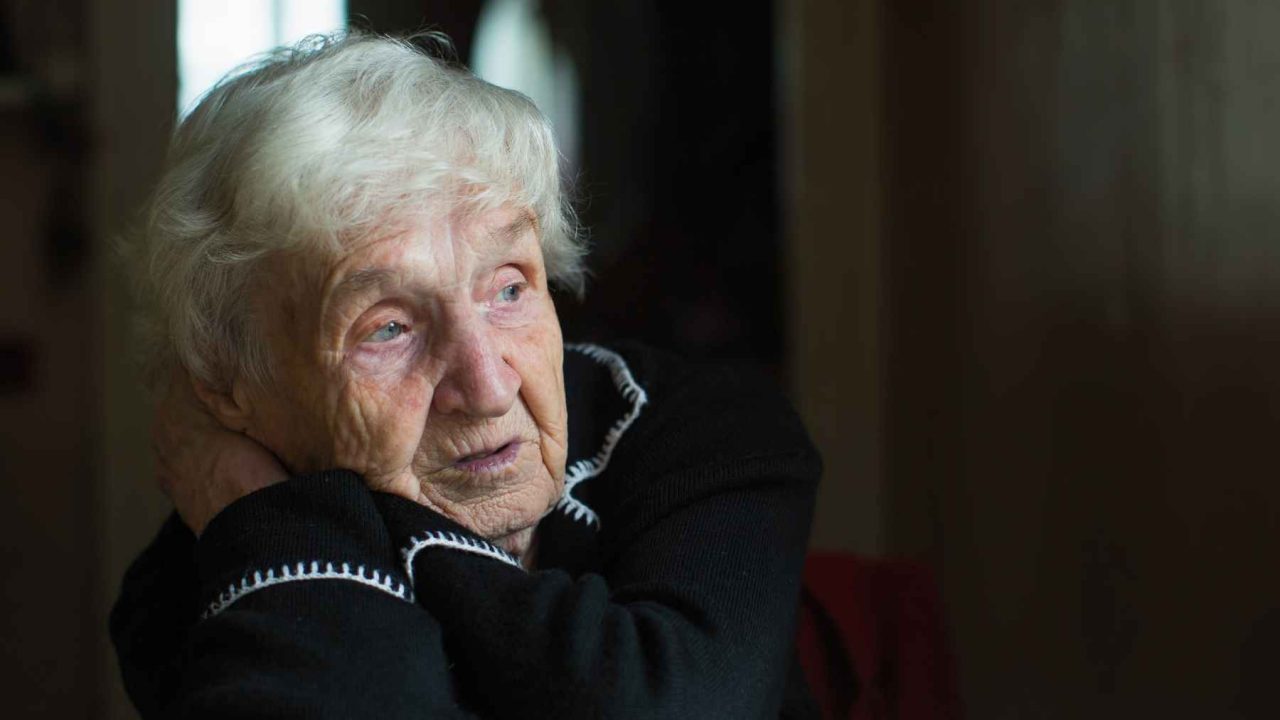
Nearly half of all Americans over the age of 60 report feeling lonely — not because they are physically isolated, but because the relationships they thought they had turned out to be something far more fragile. That distinction matters more than most people realize, and psychology has a clear explanation for why it cuts so deep.
According to a National Academies report, about 24% of Americans aged 65 and older are socially isolated, while 43% of adults 60 and older report feeling lonely. Those two numbers are not the same thing, and the gap between them tells an important story. You can be surrounded by people and still feel profoundly alone — especially when you start to understand why certain friendships only existed because you were the one keeping them alive.
Psychologists describe this as one of the quieter, more painful realizations that can come with growing older. It does not arrive with a dramatic argument or a clear goodbye. It arrives in the silence after you stop reaching out first.
The Experiment Nobody Wants to Run — But Many People Do
At some point, a lot of people try a simple test without naming it as such. They stop being the first to text, call, or suggest plans. Then they wait. When days stretch into weeks and nothing comes back, the silence tells them everything.
This is sometimes called a “quiet fade” — a friendship that does not end so much as it evaporates. There is no argument, no final phone call, no moment you can point to and say: that is when it ended. One day you simply notice that the friendship only ever existed because you were the one moving it forward.
Psychologists note that this kind of realization tends to hit harder as people age, because the social scaffolding that once held friendships in place — shared workplaces, school routines, neighborhood proximity — gradually disappears. When those built-in structures fall away, the friendships that were never truly mutual have nothing left to hold them up.
Why Loneliness in Later Life Is Defined as a Gap, Not a Headcount
The National Academies definition of loneliness is worth sitting with: it describes loneliness not as being physically alone, but as a felt gap between the relationships you want and the relationships you actually have. That framing changes everything.
Someone can have a full calendar, a large family, and dozens of contacts in their phone — and still experience deep loneliness if the connections they have do not match the connections they need. Conversely, someone who spends a lot of time alone may not feel lonely at all if the relationships they do have feel genuinely reciprocal.
This is why the statistics on older adults are so striking. The issue is not that people are running out of acquaintances. The issue is that many people reach a certain age and realize, often quietly and without warning, that some of the relationships they invested in were never built on mutual care. They were built on one person’s willingness to do all the emotional work.
The Grief That Does Not Get Called Grief
One of the reasons this experience is so isolating is that it rarely gets recognized as a loss at all. When a friendship fades without a visible ending, there is no shared story about what happened. People around you may not notice anything changed. There is no occasion to grieve, no language for what you are feeling, and no social permission to mourn something that technically never ended.
That ambiguity is part of what makes it painful. Real grief, for all its difficulty, at least comes with acknowledgment. The loss of a one-sided friendship tends to happen in private, processed alone, often accompanied by a slow and uncomfortable reassessment of years of history.
Researchers and mental health professionals point out that this type of grief — sometimes called ambiguous loss — is among the least supported, precisely because it lacks the markers that help others recognize when someone is struggling.
What the Research Actually Shows
| Statistic | Figure | Source |
|---|---|---|
| Americans 65+ who are socially isolated | ~24% | National Academies report |
| Adults 60+ who report feeling lonely | 43% | National Academies report |
| Loneliness definition used | Felt gap between desired and actual relationships | National Academies report |
The gap between 24% socially isolated and 43% feeling lonely is significant. It confirms that millions of older adults are experiencing emotional disconnection even while they remain part of social networks on paper.
The Part of This Story That Aging Amplifies
When people are young, the social world is structured in ways that create and sustain friendships almost automatically. School, college, early careers, shared housing — these environments throw people together repeatedly, and proximity does a lot of the relational work without anyone having to consciously choose it.
As people move through middle age and into later life, those structures dissolve. Retirement removes the daily contact of a workplace. Children grow up and move away. Neighborhoods change. What remains are the friendships people have actively chosen to maintain — and it is at that point that the asymmetry in some relationships becomes impossible to ignore.
The friendships that survive this transition tend to be the ones built on something real. The ones that do not survive reveal, sometimes painfully, that the connection was always more transactional or convenience-based than it appeared.
What This Means for How People Approach Their Relationships Now
Understanding this pattern does not make the experience less painful, but it does reframe what the silence actually means. When a friendship disappears because you stopped initiating, that silence is not evidence that you did something wrong. It is information about the nature of the relationship.
Mental health professionals generally suggest that recognizing one-sided friendships — and allowing them to fade — is not a failure. It is, in many cases, a necessary step toward investing energy in connections that are genuinely mutual. The goal is not to have more relationships. It is to have ones where the care actually runs in both directions.
The loneliest part of growing old, according to this line of psychological thinking, is not solitude. It is clarity — the slow, sometimes unwelcome recognition of which relationships were always real, and which ones only existed because you refused to let them disappear.
Frequently Asked Questions
What is the difference between loneliness and social isolation in older adults?
Social isolation refers to having limited social contact, while loneliness is defined as the felt gap between the relationships a person wants and the ones they actually have. According to the National Academies report, 24% of Americans 65 and older are socially isolated, but 43% of adults 60 and older report feeling lonely — meaning many people feel lonely even while remaining socially connected.
What is a “quiet fade” in a friendship?
A quiet fade describes a friendship that ends not through conflict or a clear break, but through gradual silence — typically becoming visible when one person stops initiating contact and realizes the other person never reaches out on their own.
Why does this type of friendship loss feel so isolating?
Because there is no visible ending, no shared story, and no social acknowledgment of the loss. People around you may not notice anything changed, which leaves the grief largely private and unsupported.
Why does this realization tend to happen more as people age?
Psychologists point to the gradual loss of built-in social structures — school, work, shared routines — that once held friendships in place automatically. When those structures fall away, one-sided friendships often have nothing left to sustain them.
Does stopping contact first mean you caused the friendship to end?
Mental health professionals generally suggest the opposite — that when a friendship disappears because you stopped initiating, it reveals the relationship was already asymmetrical, not that you caused the break.
Is feeling lonely the same as wanting more friends?
Not necessarily. The National Academies definition frames loneliness as a mismatch between desired and actual relationships, which means the goal is not always more connections, but more genuinely mutual ones.




Leave a Reply