
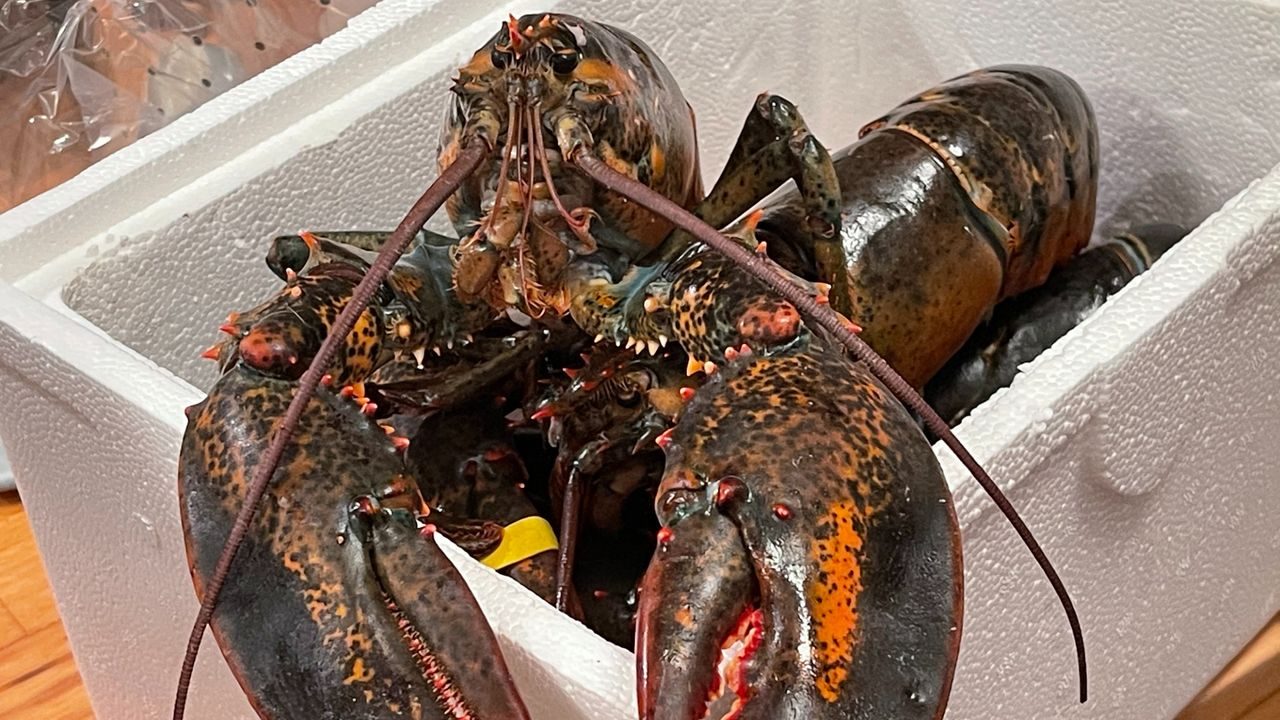
What if the creature you dropped into a pot of boiling water could actually feel every second of it? A new scientific study says that’s almost certainly what’s happening — and researchers in the United Kingdom are now calling for a formal ban on boiling lobsters alive.
The research, published on April 13 in the journal Scientific Reports, focused on Norway lobsters and adds significant weight to a growing body of evidence that crustaceans are capable of experiencing pain. It’s a finding that has serious implications not just for science, but for the kitchens and seafood restaurants of millions of people around the world.
And it turns out this question isn’t entirely new. The possibility that lobsters feel pain was famously explored by the late author David Foster Wallace in his 2004 essay “Consider the Lobster” — a piece that made readers deeply uncomfortable about a dish they’d long considered a luxury treat. Two decades later, the science is catching up to the discomfort.
What the New Study Actually Found
The researchers tested two drugs that are commonly used for pain relief in humans: aspirin and lidocaine. The fact that these human pain medications had measurable effects on Norway lobsters is considered significant evidence that the animals share pain-processing mechanisms with humans and other vertebrates.
This kind of pharmacological approach — using drugs known to affect pain in one species and observing whether they produce similar results in another — is one of the more reliable methods scientists use to study pain across different animals. The results from this study point strongly toward the conclusion that lobsters don’t just react to harmful stimuli, but genuinely experience something that functions like pain.
That’s a distinction that matters. Many animals will reflexively recoil from heat or injury. But whether they consciously suffer is a harder question — and one that this research moves meaningfully closer to answering.
Why This Has Been So Controversial for So Long
For years, the seafood industry and many scientists operated under the assumption that crustaceans like lobsters lacked the neurological complexity to experience pain in any meaningful sense. Their nervous systems were considered too simple. Their behavior after injury was written off as pure reflex.
But that consensus has been eroding. Studies over the past two decades have steadily built a case that crustaceans — including lobsters, crabs, and shrimp — may have far more sophisticated responses to harmful stimuli than previously believed.
The United Kingdom has already taken some steps in this direction. In 2021, the U.K. government commissioned a review of the evidence on sentience in invertebrates, and the resulting report concluded that crabs, lobsters, and octopuses are likely sentient. That finding influenced animal welfare legislation in the country. Now, U.K. scientists are pushing for the next logical step: an outright ban on boiling these animals alive.
Key Facts About the Research
| Detail | Information |
|---|---|
| Study subject | Norway lobsters |
| Publication date | April 13 |
| Journal | Scientific Reports |
| Drugs tested | Aspirin and lidocaine (both human pain relief drugs) |
| Researcher location | United Kingdom |
| Key finding | Human pain relief drugs had measurable effects on the lobsters, suggesting shared pain mechanisms |
| Related cultural reference | David Foster Wallace’s 2004 essay “Consider the Lobster” |
- The study adds to a growing body of evidence that crustaceans experience pain
- Norway lobsters were the specific species studied
- Both aspirin and lidocaine — drugs designed to relieve pain in humans — produced relevant effects
- U.K. scientists are using the findings to call for a ban on boiling lobsters alive
- The question of lobster pain has been debated publicly since at least 2004
What This Means for How We Cook and Eat Lobster
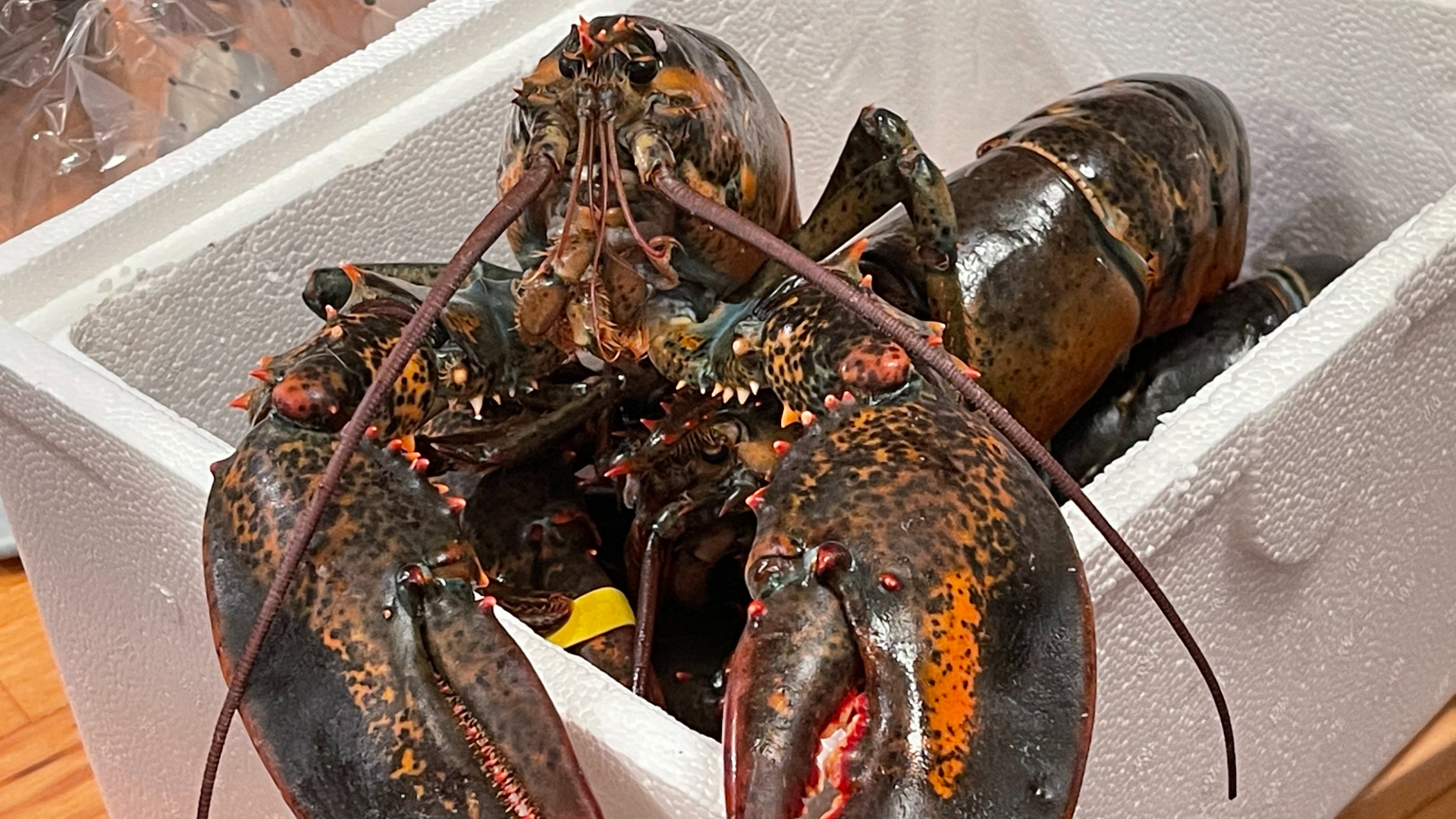
If you’ve ever cooked a live lobster, this research is probably making you think twice. Boiling a lobster alive has been the standard method in many cultures for centuries, largely because freshness is considered critical to flavor and food safety. But if these animals genuinely experience pain, that practice becomes much harder to justify.
Some countries have already moved to restrict or ban the practice. Switzerland, for example, has required that lobsters be stunned before being cooked. Norway, somewhat ironically given the species studied, has also implemented regulations around how crustaceans must be killed before preparation.
Alternatives do exist. Electrocution devices designed to kill lobsters near-instantly before cooking have been developed, and some high-end restaurants have adopted them. Chilling lobsters to render them insensible before killing them is another method that has been proposed, though scientists debate its effectiveness.
The broader question this research raises is whether the food industry — and consumers — are prepared to change behavior based on what science is increasingly confirming about animal consciousness.
Where This Debate Goes From Here
The publication of this study in Scientific Reports is unlikely to be the final word. Scientists will continue to examine how crustaceans process pain, and advocates for stronger animal welfare protections will use studies like this one to push for legislative change in countries that haven’t yet acted.
In the U.K., where this research originated, the call from scientists for a ban carries real political weight given the country’s recent history of expanding animal sentience protections. Whether that translates into new law remains to be seen, but the scientific foundation for such a move is clearly growing stronger.
For consumers, the practical takeaway is straightforward: the animal on your plate almost certainly experienced something when it was killed, and researchers believe it’s time food culture caught up with that reality.
Frequently Asked Questions
What did the new lobster pain study find?
Researchers found that two human pain relief drugs — aspirin and lidocaine — had measurable effects on Norway lobsters, suggesting the animals share pain-processing mechanisms with humans.
When and where was the study published?
The study was published on April 13 in the journal Scientific Reports by U.K. scientists.
What species was studied?
The research focused specifically on Norway lobsters, though the findings contribute to broader evidence about crustacean pain more generally.
Are scientists calling for a ban on boiling lobsters alive?
Yes. U.K. scientists involved in this area of research are calling for a ban on the practice of boiling lobsters alive, based on the accumulating evidence that they feel pain.
Has this topic come up before in public debate?
Yes. Author David Foster Wallace addressed the question of whether lobsters feel pain in his widely read 2004 essay “Consider the Lobster,” which is cited as an early public exploration of the issue.</p



Leave a Reply