
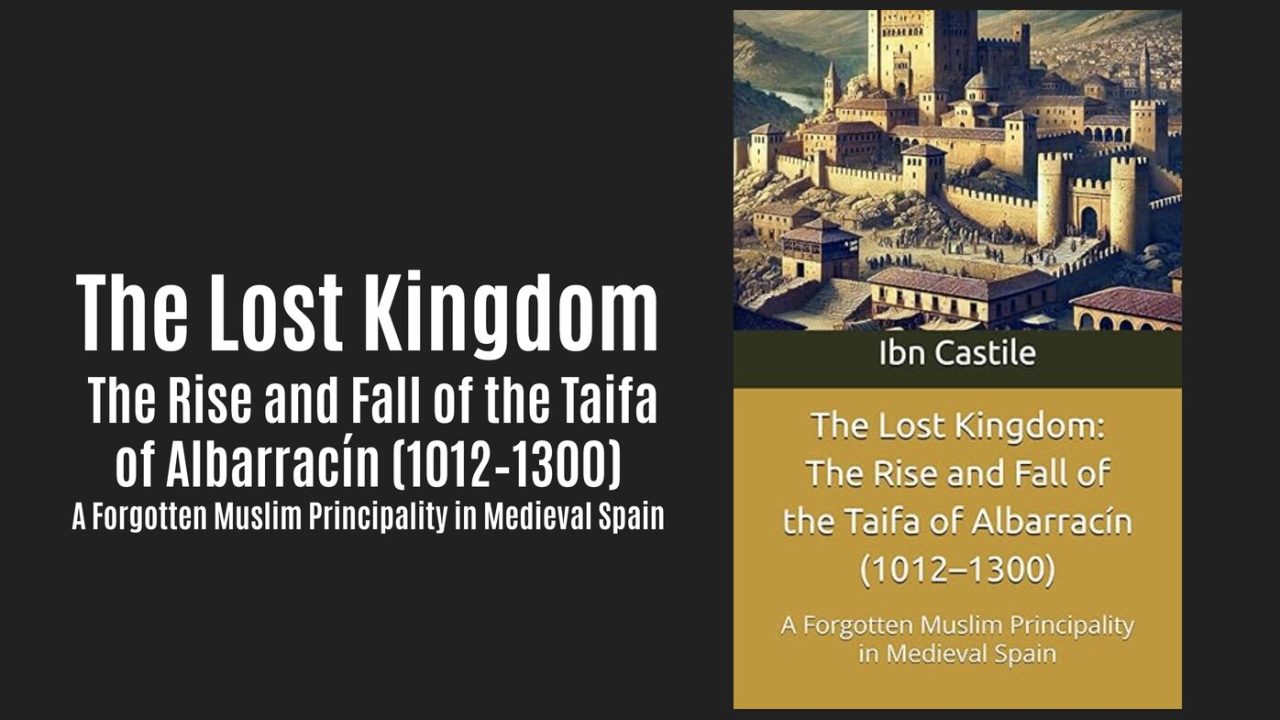
A new book promises to shed light on one of medieval Spain’s most obscure forgotten kingdoms — but a critical review suggests it falls well short of that ambition. The Lost Kingdom: The Rise and Fall of the Taifa of Albarracín (1012–1300) aims to chronicle the small Muslim principality that existed in medieval Iberia for nearly three centuries, a state so little-studied that most general histories of the period pass over it entirely.
The taifa of Albarracín is a genuinely compelling historical subject. The taifa states — small, independent Muslim kingdoms that emerged across the Iberian Peninsula after the fragmentation of the Caliphate of Córdoba in the early eleventh century — represent one of the most complex and culturally rich periods of medieval Spanish history. Albarracín, lasting from 1012 to 1300 by the book’s own framing, was among the smallest and least documented of these principalities.
The problem, according to reviewers at Medievalists.net, is that this particular book doesn’t deliver the depth the subject deserves.
What the Taifa of Albarracín Actually Was
To understand why a book on this topic matters — or should matter — it helps to know what the taifa states were. When the Umayyad Caliphate of Córdoba collapsed in the early eleventh century, the Iberian Peninsula fractured into dozens of small Muslim kingdoms called taifas. These ranged from powerful city-states like Seville and Toledo to tiny principalities that controlled little more than a single fortified town and its surrounding territory.
Albarracín, situated in what is now the Aragon region of Spain, was firmly in that second category. Small, mountainous, and strategically marginal compared to the great taifa courts, it nonetheless survived as a distinct political entity from 1012 to 1300 — nearly three hundred years. That kind of longevity in such a turbulent period of Iberian history is itself remarkable and historically significant.
The study of places like Albarracín falls under what historians call microhistory — the examination of small, seemingly peripheral subjects to reveal broader truths about larger historical forces. As the book itself states, the goal is to underscore “the importance of microhistory — the idea that the study of smaller, seemingly insignificant places can offer profound insights into larger historical processes.” That is a legitimate and well-established methodology in historical scholarship.
Where This Book on Albarracín Falls Short
The book’s ambitions, unfortunately, are not matched by its execution. The review from Medievalists.net is direct: the book is verbose but provides very little actual information about Albarracín. For readers genuinely interested in learning about this lost kingdom, the review concludes they would be better served by The Taifa Kingdoms: Reconsidering 11th-Century Iberia or even the Wikipedia page on the subject.
That is a pointed criticism. When a scholarly review recommends a Wikipedia article over a published book on the same topic, it signals a serious gap between what the work promises and what it actually delivers.
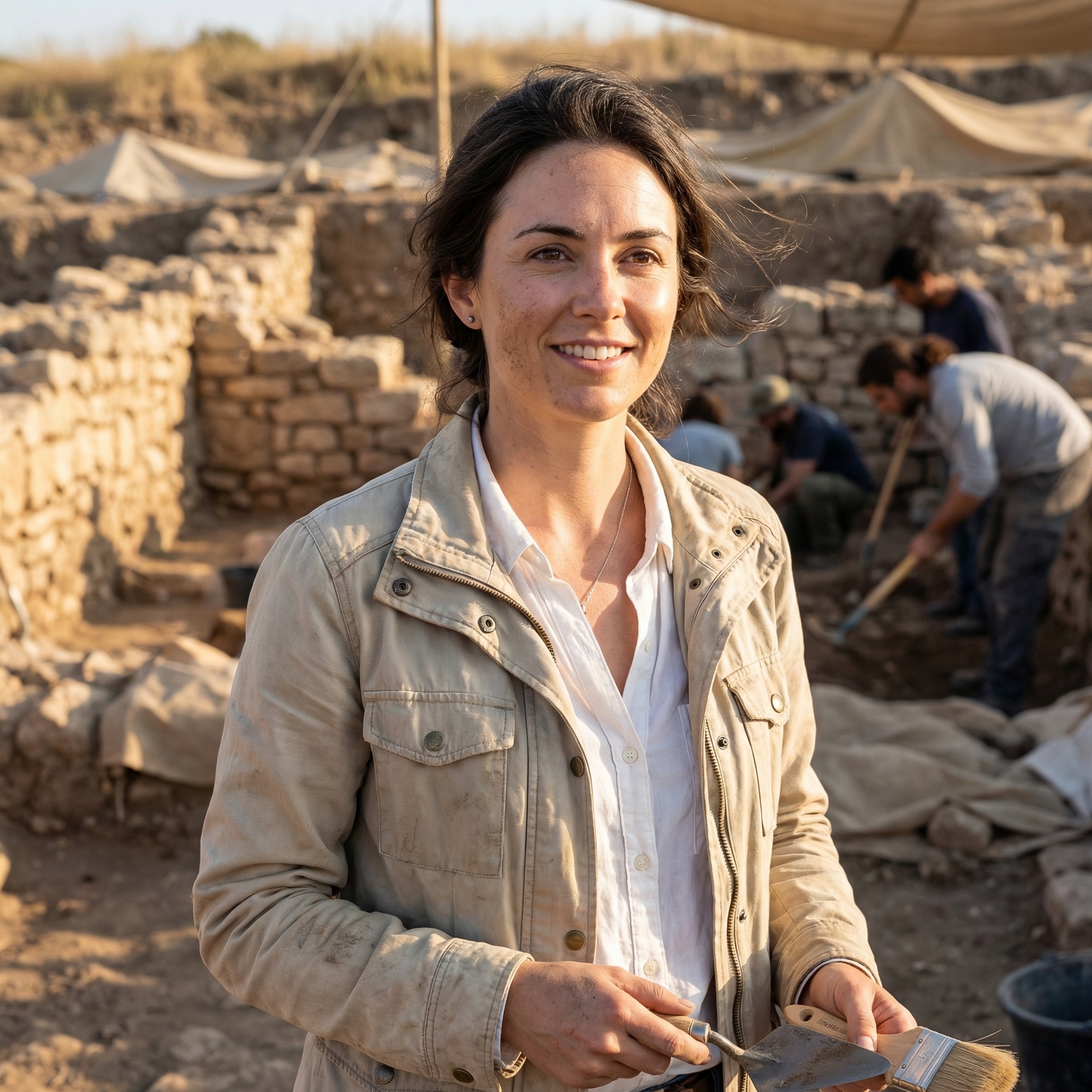
There is also a transparency concern surrounding the authorship. The book is published under the pseudonym “Ibn Castile,” and the author uses an AI-generated image as a profile photograph. The author describes himself as “a historian and writer specializing in medieval Iberia, Islamic history, and microhistorical research,” but no verifiable identity or institutional affiliation is provided. For a book making claims about historical scholarship, that lack of transparency is worth noting.
A Snapshot of the Book’s Key Details
| Detail | Information |
|---|---|
| Full Title | The Lost Kingdom: The Rise and Fall of the Taifa of Albarracín (1012–1300) |
| Author | Ibn Castile (pseudonym) |
| ISBN | 9798312037630 |
| Period Covered | 1012–1300 |
| Subject | The taifa state of Albarracín in medieval Iberia |
| Author Photo | AI-generated image |
| Review Verdict | Verbose but lacking in substantive detail |
| Recommended Alternative | The Taifa Kingdoms: Reconsidering 11th-Century Iberia |
Why This Matters Beyond One Book Review
The story here is bigger than a single disappointing publication. The rise of self-published history books — many of them available through major retail platforms like Amazon — has made it easier than ever to bring obscure historical topics to a general audience. That is genuinely valuable when done well.
But it also means readers encounter titles that look authoritative on the surface while delivering little of substance underneath. A book with a serious-sounding title, a detailed ISBN, and an author bio claiming specialization in a niche field can easily be mistaken for rigorous scholarship. When that author also uses an AI-generated photograph and writes under a pseudonym, the gap between presentation and reality becomes harder for casual readers to detect.
For anyone curious about the taifa states — a genuinely fascinating chapter of medieval European and Islamic history — the lesson from this review is simple: check the sources, look for named authors with verifiable credentials, and don’t assume that a narrow topic and a confident subtitle guarantee a book worth reading.
What Readers Interested in Taifa History Should Do Instead
The Medievalists.net review points toward better resources for anyone who wants to seriously explore this corner of medieval history. The recommended starting point is The Taifa Kingdoms: Reconsidering 11th-Century Iberia, which the review implies offers more substantive scholarship on the period and region.
Beyond that, the taifa states have attracted growing academic attention in recent decades as historians have pushed back against narratives that treat the period purely through the lens of the Christian Reconquista. Albarracín itself — small as it was — represents exactly the kind of subject that rewards careful study: a borderland principality navigating between larger Christian and Muslim powers across nearly three centuries.
That story deserves a serious book. This one, by most accounts, is not it.
Frequently Asked Questions
What is the taifa of Albarracín?
The taifa of Albarracín was a small Muslim principality in medieval Iberia that existed from 1012 to 1300, one of many independent taifa states that emerged after the collapse of the Caliphate of Córdoba.
Who wrote The Lost Kingdom: The Rise and Fall of the Taifa of Albarracín?
The book is written under the pseudonym “Ibn Castile.” The author uses an AI-generated profile image and no verifiable real-world identity or institutional affiliation is provided.
Is this book recommended for readers interested in medieval Iberian history?
According to the Medievalists.net review, it is not. The reviewer suggests that The Taifa Kingdoms: Reconsidering 11th-Century Iberia or even the Wikipedia page on Albarracín would be more informative.
Where can this book be purchased?
The book is available on Amazon.com, Amazon.ca, and Amazon.co.uk.
What is microhistory, as referenced in the book?
Microhistory is the study of smaller, seemingly obscure subjects — such as a minor medieval kingdom — with the aim of revealing broader insights about larger historical processes. The book cites this as one of its core goals.
What is the ISBN for this book?
The ISBN is 9798312037630.
Leave a Reply