
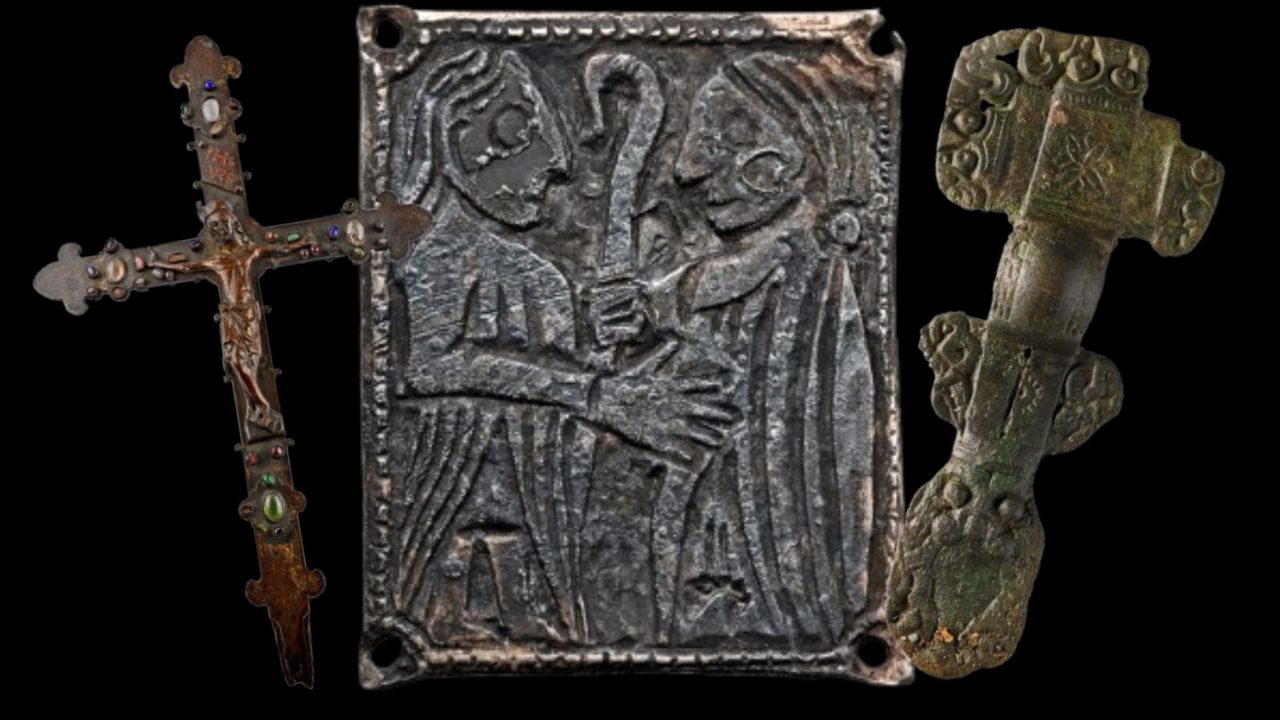
A gilt copper cross from 13th-century France. A signed suit of iron plate armour forged in 1224 AD. Objects that survived centuries of war, faith, and upheaval — and are now available to private buyers starting from just a few thousand pounds. For anyone who has ever wanted to own a genuine piece of medieval history, a new online auction is about to open its doors.
British-based TimeLine Auctions is launching its next online sale beginning 3 March, with hundreds of historical objects set to go under the hammer. The sale spans cultures and centuries, but medieval collectors and fans of medieval material culture are especially well served this time around.
Here is a closer look at what is on offer, why these pieces matter, and what prospective bidders should know before the auction opens.
What Makes This Medieval Auction Worth Watching
Online auctions of historical artefacts have become increasingly accessible in recent years, drawing in both seasoned collectors and first-time buyers who want something more meaningful than a reproduction. TimeLine Auctions, which operates out of the United Kingdom, specialises in antiquities and historical objects, and its sales regularly feature items spanning from the ancient world through to the early modern period.
This particular sale stands out for the range and rarity of its medieval offerings. The lots include religious metalwork, military equipment, and objects connected to Norse mythology — each with its own documented history and estimated sale price. Some pieces are expected to fetch five figures; others are within reach for buyers working with more modest budgets.
What unites them is that these are not decorative replicas. They are original objects, made by real craftspeople in real historical moments, and they carry that weight in ways that photographs cannot fully capture.
A Closer Look at the Medieval Artefacts Up for Bid
The standout lots from this sale cover a striking range of medieval cultures and material traditions. Below is a breakdown of the key pieces confirmed for the auction.
| Object | Origin / Date | Estimated Sale Price |
|---|---|---|
| Large Medieval Limoges Gilt Copper Processional Cross | France, early 13th century AD | £12,000–£17,000 |
| Chinese Jin Jurchen Warrior Signed Suit of Iron Plate Armour | Made in 1224 AD | £2,500–£3,500 |
| Viking Silver Freyr and Freyja Casket | Viking period | Not confirmed in source |
The Limoges Processional Cross is arguably the most visually arresting lot in the medieval section. The gilt copper cross was made for use in church processions, with its arms set with coloured cabochons designed to evoke the appearance of a jewelled cross. The front displays a slender figure of Christ rendered with a calm, reflective expression. Turn it over and the reverse reveals decorative floral enamel work.
Experts note that the cross is made up of elements from different moments across the 13th century and later — a detail that actually adds to its historical interest rather than diminishing it. It remains a striking example of the vibrant metalwork tradition associated with Limoges, a city in central France that was one of the most important centres of enamel production in medieval Europe.
The Jin Jurchen Suit of Iron Plate Armour tells a very different story. Dating to 1224 AD, this complete suit was made during one of the most turbulent periods in East Asian history — the era of Mongol expansion into northern China. The rectangular iron plates were laced together to create a coat that was both flexible and protective, a practical solution to the demands of sustained military conflict.
What makes this piece especially rare is a single inscribed plate that names the month and year of manufacture, along with an official connected to armour production. That kind of documentary detail is unusual for surviving military equipment from this period and offers a genuine window into how armies were equipped and administered during the prolonged wars between the Mongols and Jurchen states.
The Viking Silver Freyr and Freyja Casket was also listed among the highlighted medieval lots, though full details on its estimated sale price were not included in the available source material.
Why Medieval Artefacts Appeal to Modern Collectors
The market for medieval objects has grown steadily, driven by a combination of academic interest, popular culture, and a broader appetite for objects that carry genuine historical meaning. Owning a piece made in the 13th century connects a buyer to a world that is simultaneously distant and surprisingly legible — the same human concerns about faith, war, beauty, and survival are written into every object.
Processional crosses like the Limoges example were central to public religious life. Armour like the Jurchen suit was worn by real soldiers facing real danger. These were not decorative objects created for display. They were functional, meaningful, and made to last — and the fact that they have lasted this long only adds to their resonance.
For buyers at the more accessible end of the price range, the Jurchen armour’s estimate of £2,500 to £3,500 represents a relatively rare opportunity to acquire a complete, documented medieval military object at a price that — while still significant — is far below what comparable pieces typically command at major auction houses.
How to Participate in the TimeLine Auctions Sale
The sale is conducted online, which means bidders from anywhere in the world can participate without travelling to a physical auction room. TimeLine Auctions is a British-based auction house, and prospective buyers should check the auction house’s website directly for registration requirements, buyer’s premiums, and any applicable export or import restrictions that may apply to historical objects depending on the buyer’s country of residence.
The auction opens on 3 March, with hundreds of lots available across the full sale. Medieval pieces represent just a portion of the total offering, though they are among the most distinctive items confirmed so far.
For collectors who have been waiting for the right moment to acquire something genuinely old, genuinely rare, and genuinely connected to the human past — this sale is worth a close look before bidding opens.
Frequently Asked Questions
When does the TimeLine Auctions medieval sale begin?
The online auction opens on 3 March, with hundreds of historical objects available to bid on.
What is the most expensive medieval item in the sale?
Based on the confirmed estimates, the Large Medieval Limoges Gilt Copper Processional Cross carries the highest estimate at £12,000 to £17,000.
What makes the Jin Jurchen armour historically significant?
One of its plates bears an inscription naming the month and year of manufacture — 1224 AD — along with an official connected to armour production, making it a rare documented example of medieval military equipment from the Mongol expansion era.
Where was the Limoges Processional Cross made and when?
It was made in France in the early 13th century and is associated with the Limoges tradition of enamel metalwork.
Can international buyers participate in the auction?
The sale is conducted online, which allows international participation, but buyers should check TimeLine Auctions’ website directly for registration details, fees, and any export or import restrictions that may apply.</p

Leave a Reply