
For centuries, millions of people across northern and eastern Europe quietly kept their old beliefs alive — worshipping at sacred trees, following shamanic traditions, and honoring ancient gods — even as the Christian kingdoms around them declared them converted. Their story has largely gone untold, scattered across separate national histories that rarely speak to each other.
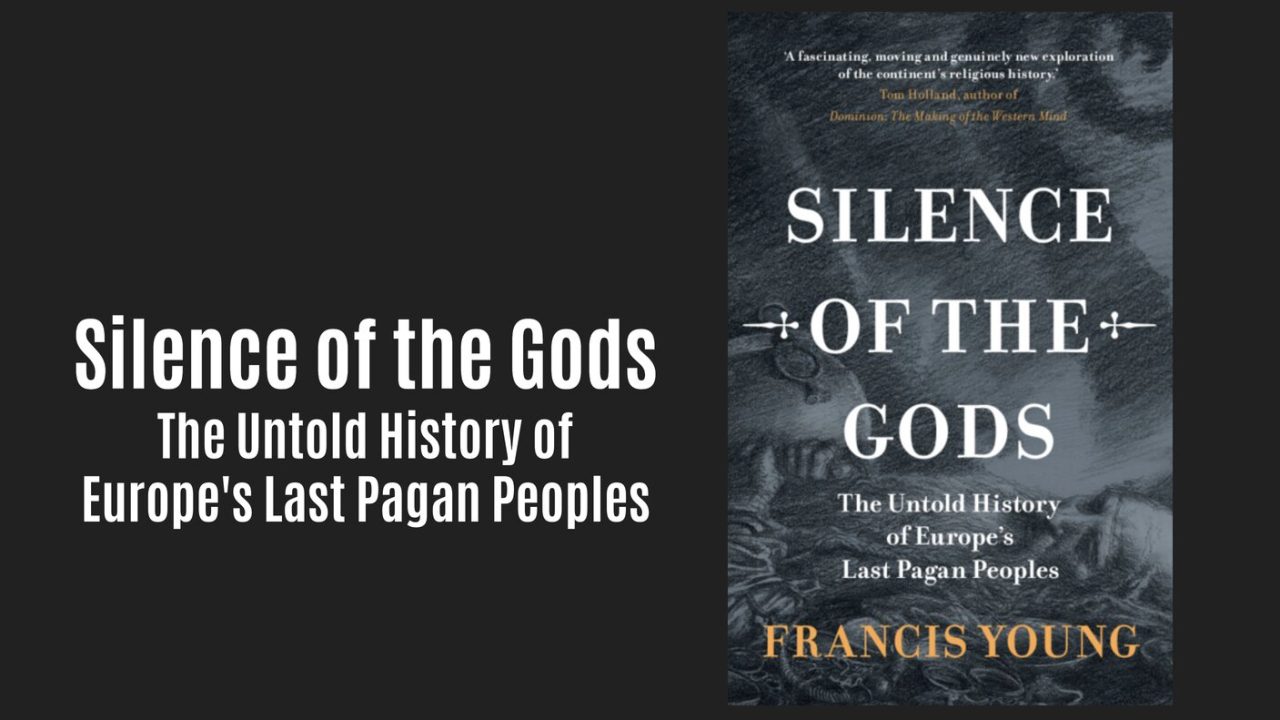
A new book from Cambridge University Press aims to change that. Silence of the Gods: The Untold History of Europe’s Last Pagan Peoples, written by Francis Young, traces the religious lives of Europe’s last unchristianised communities from the late medieval period through the early twentieth century — a span of more than five hundred years that most mainstream history has largely overlooked.
The book covers peoples including the Sámi, the Estonians, the Old Prussians, the Latvians, the Lithuanians, the Mordvins, the Maris, the Chuvashes, and the Udmurts — groups whose experiences share surprising common threads despite being spread across a vast and diverse continent.
The History That Fell Through the Cracks of Europe’s Story
Most people learn about the Christianisation of Europe as a largely completed process by the early medieval period. The reality is more complicated. According to Young’s research, several peoples across northern and eastern Europe maintained their own religious traditions well into the modern era, even while living under Christian political rule.
The book’s timeline begins with a specific turning point: the official conversion of Lithuania in 1387, which marked the formal end of the last major pagan state in medieval Europe. But Young argues that official conversion and genuine religious change were two very different things. Communities across the region continued following their own traditions for centuries after political authorities had declared them Christian.
This gap between official status and lived reality is one of the book’s central themes. These peoples were often deemed Christians for political purposes, the book notes, despite continuing to follow their own religious traditions. The silence in the historical record, Young suggests, is not evidence of absence — it reflects how these communities were documented, or rather, how they weren’t.
What Makes This Book Different From Previous Accounts
Young identifies three specific ways his approach breaks from earlier scholarship, and they’re worth understanding because they shape everything about how the book is framed.
- A continental perspective: Rather than treating each group’s history as a separate national story, the book considers Europe’s unchristianised peoples together as part of a shared continental experience.
- People over belief systems: Instead of attempting to reconstruct precise religious doctrines — which Young argues can rarely be reliably established from the available evidence — the book keeps its focus on the communities themselves and how they lived.
- Rethinking “paganism”: The book deliberately sets aside the concept of paganism as a category for understanding pre-Christian religions, treating it as a problematic term that obscures more than it reveals.
That third point is particularly significant. The word “pagan” carries centuries of Christian framing built into it. By stepping away from that label, Young opens up space to treat these religious traditions on their own terms rather than as a foil to Christianity.
The Peoples at the Heart of the Book
The communities covered in Silence of the Gods are remarkably diverse — geographically, culturally, and religiously. Young’s book spans groups from the Arctic to the Baltic and deep into what is now Russia. Despite their differences, the book argues they share a common historical experience worth examining together.
| People | Region / Association | Religious Tradition (as noted in source) |
|---|---|---|
| Sámi | Northern Scandinavia / Arctic | Shamanist traditions |
| Estonians | Baltic region | Pre-Christian Baltic traditions |
| Old Prussians | Baltic region | Pre-Christian Baltic traditions |
| Latvians | Baltic region | Tree and stone worship (Balts) |
| Lithuanians | Baltic region | Tree and stone worship (Balts) |
| Mordvins | Eastern Europe / Volga region | Indigenous traditions |
| Maris | Eastern Europe / Volga region | Indigenous traditions |
| Chuvashes | Eastern Europe / Volga region | Indigenous traditions |
| Udmurts | Eastern Europe / Volga region | Indigenous traditions |
The range here is striking. The shamanist practices of the Sámi look very different from the tree- and stone-worship traditions of the Baltic peoples. Yet Young’s argument is that viewing them in isolation misses the larger pattern of how pre-Christian religious life persisted under Christian political authority across an entire continent.
Why This History Still Matters Today
The story Young tells isn’t purely academic. Several of the peoples covered in the book — including the Sámi, the Latvians, and the Lithuanians — have living descendants with active cultural and political identities today. Questions about how their ancestors’ beliefs were suppressed, misrepresented, or quietly preserved touch on ongoing conversations about indigenous religious rights and cultural heritage across Europe.
There’s also a broader point about how history gets written. When the victors of religious and political conflicts control the documentary record, entire communities can be officially declared converted while their actual spiritual lives continue unchanged. Silence of the Gods takes seriously the idea that absence from the historical record is not the same as absence from history.
The book covers roughly five centuries — from 1387 to the early 1900s — and in doing so asks readers to reconsider what “the end of paganism in Europe” actually meant, and whether that ending was ever as complete as the official story suggests.
About the Book
Silence of the Gods: The Untold History of Europe’s Last Pagan Peoples is written by Francis Young and published by Cambridge University Press. The ISBN is 978-1-009-58657-3.
Frequently Asked Questions
What is Silence of the Gods about?
It is a religious history of Europe’s last unchristianised peoples, covering groups including the Sámi, Estonians, Latvians, Lithuanians, and others, from the late medieval period through the early twentieth century.
Who wrote Silence of the Gods?
The book was written by Francis Young and published by Cambridge University Press.
What time period does the book cover?
The book spans from the official conversion of Lithuania in 1387 to the dawn of the twentieth century — a period of roughly five centuries.
Why does the book avoid the term “paganism”?
According to the book’s own framing, the concept of paganism is treated as a problematic category for understanding pre-Christian religions, and the author sets it aside in favour of a more direct focus on the peoples themselves.
Which peoples are covered in the book?
The book covers the Sámi, Estonians, Old Prussians, Latvians, Lithuanians, Mordvins, Maris, Chuvashes, and Udmurts, among others.
What makes this book’s approach different from earlier histories?
Young examines these communities together as part of a continental story rather than separate national histories, focuses on the peoples rather than reconstructed belief systems, and deliberately steps away from the framing of “paganism” as a category.
Leave a Reply